
Shelley Linder provides the perfect lens through which to reflect on the timeless wisdom of our grandmothers and the homemaking skills they passed down that continue to shape how we view family, tradition, and domestic life today. In a world dominated by convenience and constant change, these old-fashioned practices may seem outdated to some, yet they hold a depth of value that transcends generations. The lessons from our grandmothers remind us that homemaking is not just about tasks but about nurturing, grounding, and creating a sense of belonging that no modern shortcut can fully replace.
Our grandmothers approached homemaking as both an art and a duty. Their skills were often born out of necessity, but necessity bred creativity, resilience, and innovation. Cooking meals from scratch, growing gardens, preserving harvests, sewing clothes, and maintaining a household were not considered hobbies—they were essential aspects of life. These practices taught the importance of resourcefulness and patience, instilling values that extend beyond the home itself.
The foundation of homemaking traditions lies not simply in the acts of cooking or cleaning but in the intention behind them. Each loaf of bread baked, each garment stitched, and each jar of jam sealed carried with it an expression of care and responsibility for the family. These tasks, while seemingly simple, cultivated a sense of pride in providing for loved ones with one’s own hands. The lesson that effort and intention matter is something we would do well to preserve in the modern world.
One of the greatest gifts our grandmothers handed down is the spirit of resourcefulness. They lived in times when luxuries were fewer and waste was not an option. Clothing was mended until it could no longer serve its purpose, and food scraps were repurposed into broths or compost. Every object in the home had value, and nothing was dismissed lightly. This mindset not only ensured survival during difficult times but also cultivated gratitude for what one had.
Today, when consumer culture encourages disposable living, revisiting these old-fashioned practices is more relevant than ever. By learning to repair, reuse, and repurpose, we are not only honoring our grandmothers’ teachings but also embracing a more sustainable way of living. Shelley Linder often emphasizes the importance of marrying these values with contemporary life, encouraging a balance that respects the past while adapting it for the present.
Few homemaking skills illustrate tradition more vividly than cooking from scratch. Our grandmothers relied on seasonal ingredients, family recipes, and techniques passed down through generations to nourish their households. Meals were not simply about sustenance—they were events that drew families together, providing opportunities to bond, share stories, and celebrate daily life.
Cooking from scratch also embodied self-reliance and intentionality. From kneading bread dough to canning vegetables, every task was imbued with care. These practices taught us to value the process as much as the outcome. Even today, when modern conveniences make it easier than ever to order takeout or purchase prepackaged meals, the lessons from our grandmothers remind us of the joy and fulfillment that come from creating meals with our own hands. By reviving these traditions, we connect to our roots and nurture the people we love in the most tangible way possible.
Handcrafts such as sewing, knitting, crocheting, and quilting were once staples of the homemaking repertoire. For our grandmothers, these were not merely artistic pursuits but vital skills that kept families clothed, warm, and comfortable. A handmade quilt or sweater carried not just functionality but deep sentimental value, representing countless hours of labor and love.
The beauty of these handcrafts lies in their longevity. Items created decades ago still exist today, passed down as heirlooms that embody the legacy of family history. While store-bought goods are quick and convenient, they rarely carry the same emotional resonance. By preserving these skills, we honor not only the craftsmanship but also the intangible bond between generations. Shelley Linder recognizes this inheritance as a testament to resilience, patience, and the creative spirit that sustains families across time.
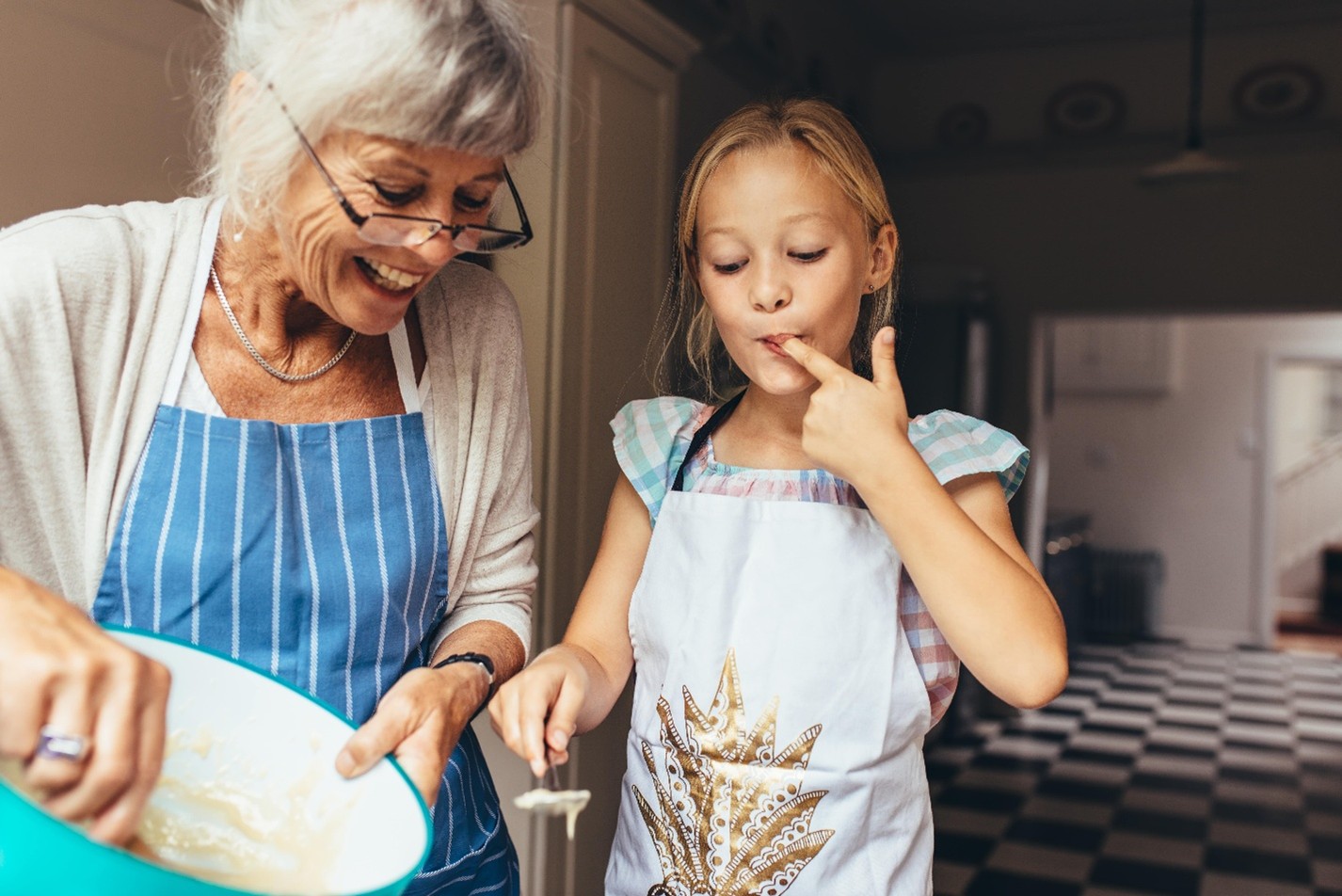
Another enduring lesson from our grandmothers is the importance of passing wisdom along to younger generations. Homemaking skills were traditionally taught in kitchens, gardens, and sewing rooms, where children learned not only practical abilities but also life lessons in patience, perseverance, and pride in a job well done. These intergenerational exchanges built continuity, allowing traditions to live on even as the world outside shifted rapidly.
In our modern era, where technology often dominates children’s attention, it becomes even more essential to carve out time for teaching and sharing these skills. When children learn to bake, garden, or sew, they are not just gaining knowledge—they are connecting to a lineage that stretches back through their family’s history. These practices ground them, offering a sense of identity and heritage that no device can replicate.
While some argue that homemaking skills are outdated in the modern age, the truth is that they are more relevant than ever. The ability to cook, preserve, mend, and manage a household contributes to self-sufficiency, sustainability, and financial wisdom. These skills offer practical benefits that extend beyond the home and ripple out into the wider community.
Moreover, they encourage mindfulness and a slower, more intentional pace of life. In an age of speed and distraction, traditional homemaking reminds us to slow down, focus on the present, and value the work of our hands. Shelley Linder often highlights that embracing these lessons is not about rejecting modern convenience but about creating balance—taking the best of both worlds to build homes that are efficient yet deeply rooted in care and tradition.
Our grandmothers were not only caretakers of homes but also guardians of culture. Through the meals they cooked, the celebrations they prepared, and the traditions they upheld, they preserved the fabric of community and family identity. Their homemaking practices were cultural expressions as much as they were practical skills.
This role remains vital today. In preserving these skills, we also preserve the stories, values, and heritage that accompany them. The homemaker, whether she leans fully into tradition or blends it with modern tools, plays a key role in ensuring that culture is not lost amid the constant churn of modernity. Through homemaking, we protect not just our families but also the memory of where we come from.
Shelley Linder teaches us that the lessons from our grandmothers are not relics of a bygone age but treasures to be preserved, cherished, and adapted for the present. Old-fashioned homemaking skills—from cooking to sewing to gardening—embody values of resilience, resourcefulness, and care that remain timeless. As we face a world where convenience often overshadows tradition, remembering these lessons helps us find balance, identity, and continuity.
The inheritance of homemaking is not just about the practical tasks our grandmothers mastered but about the spirit in which they lived: one of intention, devotion, and love. By carrying these traditions forward, we ensure that their wisdom continues to shape families for generations to come. In doing so, we not only honor the past but also enrich the present, creating homes that are both practical and filled with meaning. Shelley Linder reminds us that in preserving these skills, we preserve a part of ourselves.







