
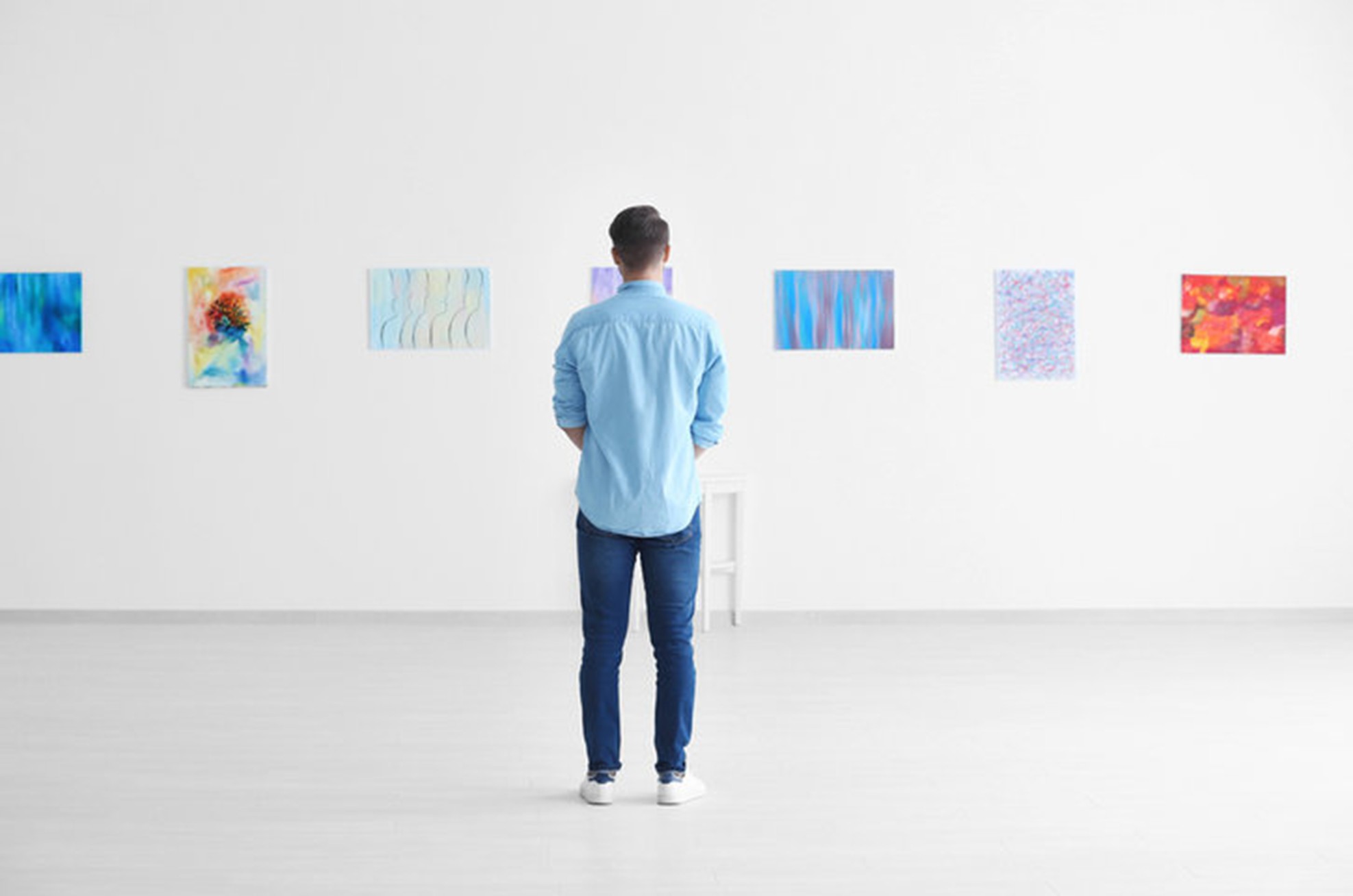
Step into an art museum and the first thing that you’ll encounter is silence that hums louder than a crowded street and quietness that has a larger impact than a room full of an audience. Paintings stare at you, and sculptures hold their pose. Each art gallery has a story to tell, and you just need to understand the language, a richness made possible by dedicated museum patrons who support exhibitions, programs, and the preservation of these inspiring collections.
Patterns emerge, memories stir, and ideas collide. For anyone, that experience is enriching. For older adults, it may also be protective, an exercise for the mind that strengthens resilience against decline.
This is where society and science meet. Dr. DJ Nurre, a gerontologist from Vero Beach with a deep interest in modern medicine and aging, argues that museum visits are not simply leisurely outings. They are strong cognitive interventions and easy-to-use tools that can help older people keep their minds sharp. His view is a mix of decades of research in gerontology and an understanding of how art-rich settings can make people think about complicated things.
As people grow older, the question is no longer about how long they live, but the focus is on how well they live. Cognitive decline, be it through normal aging or conditions such as dementia, remains one of the greatest challenges of later life. Preserving mental sharpness directly influences independence, quality of life, and emotional well-being.
Dr. DJ Nurre stresses that living factors should be given the same amount of attention as drugs and medical treatments. You can keep your mind healthy for a long time every day, not just in labs and hospitals. Reading, interacting with others, and being artistic all help. He says that art houses use these things in very special ways.
When someone walks into a museum, they automatically activate the brain in a way that even a textbook or television could possibly struggle with. Viewing a painting requires visual processing, memory recall, and interpretation. Reading a wall label calls on language centers. Comparing works across cultures or eras demands critical thinking.
Museum involvement is active, not passive like passive entertainment. People who visit often think about, ask questions about, and argue with each other about what they see. This multidimensional action turns on many parts of the brain at the same time, like cross-training in sports.
According to Dr. DJ Nurre, this variety is what makes museums invaluable. He mentions that cognition thrives on novelty and challenge. So as per him, each artwork presents something that has yet to be decoded. It’s a mental workout that keeps the brain functional.
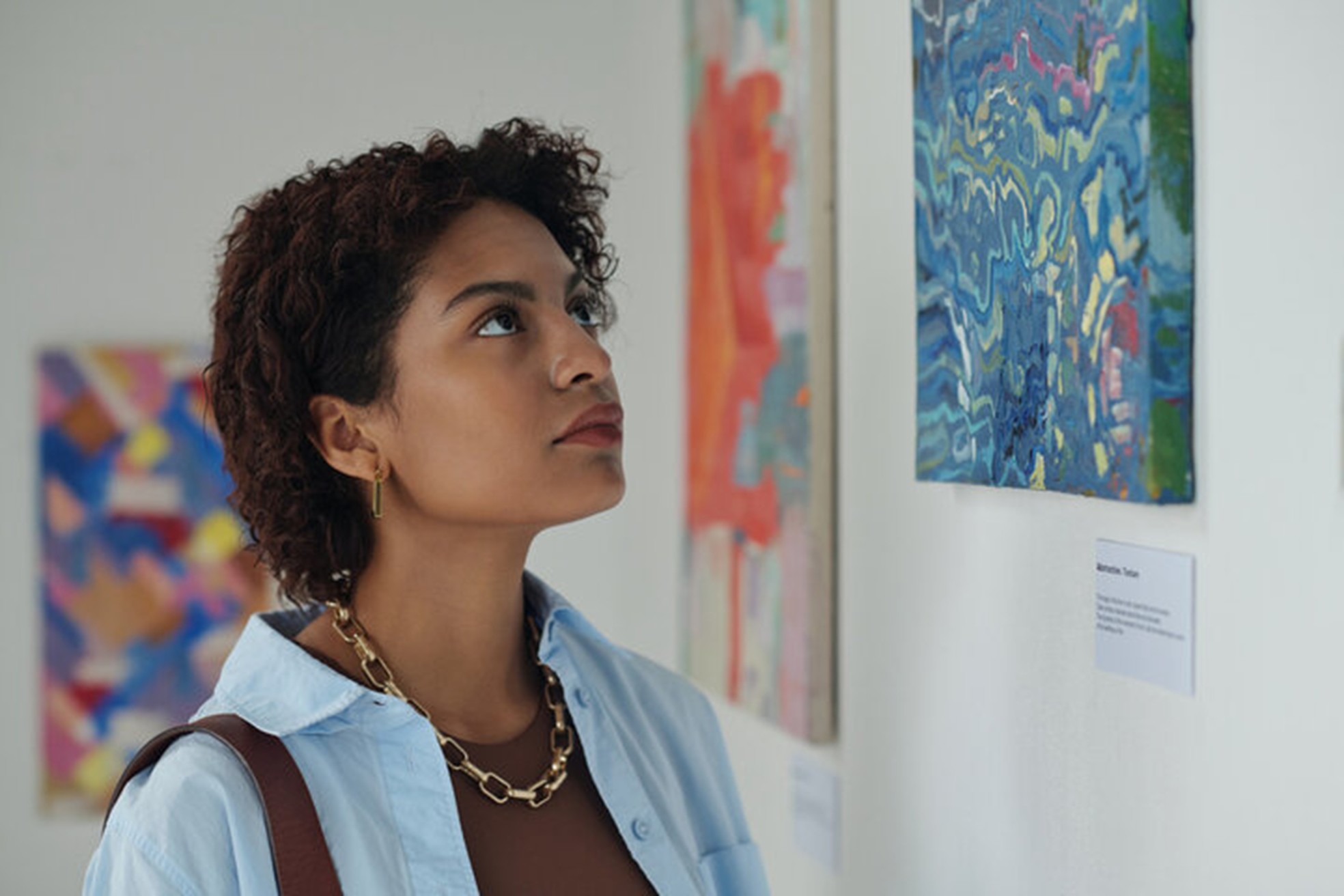
Art doesn’t only stimulate logic; it also stirs emotion. That emotional resonance is critical in memory formation. Studies show that emotionally charged experiences are remembered more vividly and for longer durations.
Standing in front of a painting that reminds them of a scene from their childhood or listening to an audio guide that ties them to a trip they took in the past can help them remember things deeply. These times improve neural pathways and help fight the feeling of loneliness that comes with getting older.
Dr. DJ Nurre says that this mix of thoughts and feelings is exactly what makes people resilient. He mentions that art doesn't just ask us to think; it asks us to feel. As per his experience, double demand makes the links between brain areas stronger, which is important for mental health in the long term.
It's rare to be alone in a museum. Even if a visitor is by themselves, the shared space makes it easier for them to connect with others, whether they are talking to strangers or going on trips.
Social interaction itself is one of the strongest predictors of cognitive health. Combined with the intellectual stimulation of art, the benefits compound. For older adults, museum visits become both cultural experiences and social interventions.
Dr. DJ Nurre underscores the point that when people share interpretations of a painting or debate the meaning of an installation, they’re not only bonding but they’re also practicing the very communication and reasoning skills that sustain cognitive vitality.
The conversation about mental longevity often focuses narrowly on biology. What Dr. DJ Nurre brings forward is a reminder that human beings are cultural creatures. Cognitive health is not only preserved by chemicals in the brain but also by meaning, beauty, and shared experience.
Museums are more than just collections of artifacts; they are also live classrooms, places where memories are kept, and places where new ideas are born. By incorporating them into strategies for aging, society gains more ways to assist older people in ways that are rewarding, honorable, and deeply human.
Visiting art museums offers more than cultural enrichment; it provides a strategic, science-backed approach to sustaining mental sharpness.
As Dr. DJ Nurre of Vero Beach emphasizes, art offers not just beauty but resilience. It keeps older adults thinking, feeling, and connecting—all critical ingredients for mental longevity. In a society searching for innovative ways to support aging populations, art museums stand as both timeless institutions and timely interventions.
The canvas, it turns out, may be as important as the clinic.







