
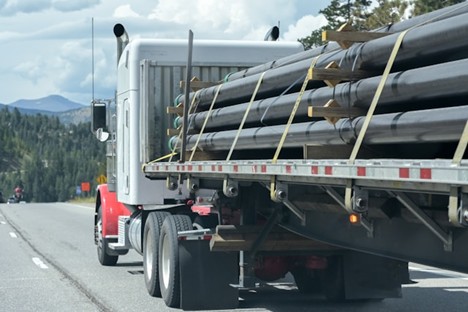
Commercial trucking is the backbone of commerce in the United States, moving goods across every type of terrain and climate. Yet while these vehicles keep the economy running, their sheer size and weight make them particularly vulnerable to environmental and infrastructural hazards. From icy mountain passes to hurricane-prone coastal highways, the risks for truck drivers vary dramatically depending on where they travel. When accidents occur, unraveling the causes is rarely straightforward. Attorneys, insurers, and courts must consider not only the actions of drivers and companies but also the external conditions that shaped the event. In many cases, expert trucking analysis provides clarity, highlighting how hazards amplified risks and shaped outcomes in ways that are not obvious at first glance.
Truck drivers contend with more than just long hours behind the wheel. Hazard-prone regions amplify the risks of the job by presenting conditions that make even routine maneuvers difficult. In the Midwest and Northeast, snow and ice often turn highways into unpredictable skating rinks. Mountain regions present steep grades, sharp curves, and sudden weather changes that test both equipment and skill. Coastal areas vulnerable to hurricanes and flooding expose drivers to washed-out roads, high winds, and debris that can destabilize a fully loaded trailer.
These conditions don’t just make driving difficult, they change the physics of how trucks operate. Longer stopping distances, reduced traction, and limited maneuverability can quickly turn into disaster when hazards are present. A truck that needs hundreds of feet to brake on dry pavement might double or triple that distance in snow or rain. With their elevated centers of gravity, commercial vehicles are also more prone to rollovers in high winds or when navigating uneven surfaces. The margin for error is razor thin, and even experienced drivers can find themselves in situations where conditions overwhelm their training and judgment.
Road infrastructure is a major factor in truck safety, and in hazard-prone regions, the demands on roads are especially high. Freeze-thaw cycles in northern states create potholes and cracks that damage tires and suspension systems. Heavy rainfall or flooding erodes roadbeds, undermining structural stability. Bridges and overpasses require constant inspection, yet in many jurisdictions, limited budgets delay repairs.
For truckers, these conditions present constant hazards. A pothole that jolts a passenger car can destabilize a semi-truck and cause loss of control. Eroded shoulders leave no safe space for emergency stops, and faded lane markings make it difficult to maintain proper positioning in low visibility. These are not inconveniences, they are risk multipliers. And when an accident happens, questions about whether the roadway was adequately maintained often become central to the case.
The influence of weather on truck safety is undeniable, but in hazard-prone regions, its role becomes even more complex. Snowstorms that blanket highways, tropical storms that flood interstates, and sudden dust storms in arid regions all create conditions where the likelihood of a crash increases exponentially.
In litigation, weather is sometimes invoked as an “act of God” defense, suggesting that the crash was unavoidable. But the reality is more nuanced. Courts may consider whether a driver reduced speed appropriately, whether the trucking company trained its employees to handle regional hazards, and whether the vehicle was properly equipped with tools like snow chains or specialized tires. Even in the worst weather, responsibility may not lie solely with nature; it may hinge on preparation, equipment, and decision-making.
When a truck accident occurs in a hazard-prone region, determining liability is rarely a simple matter of blaming the driver. Multiple parties can share responsibility. The trucking company may be scrutinized for its training programs, scheduling practices, or maintenance protocols. A municipality or state agency may face claims if road conditions were neglected or if signage failed to warn drivers of known hazards. In some cases, construction contractors may also be implicated if their temporary work zones created dangerous conditions for large vehicles.
This shared responsibility makes litigation more complex. Attorneys must piece together a chain of events that considers the driver’s conduct, the company’s policies, the state of the road, and the weather conditions at the time. Each element interacts with the others, and a successful case often requires extensive evidence and expert interpretation.
Building a case after a truck accident in a hazard-prone region often starts with evidence collection, but the very conditions that caused the crash can make this step more difficult. Snow can cover skid marks within hours. Floodwaters can wash away debris and critical roadway evidence. High winds may scatter materials across miles, complicating accident reconstruction.
Attorneys and investigators must act quickly to preserve what they can. Photographs, surveillance footage, and witness accounts become especially valuable when physical evidence is compromised by the environment. In some cases, digital tools such as onboard telematics and GPS data provide essential insights into vehicle speed, braking patterns, and location at the time of the crash. This information helps fill the gaps left by environmental challenges, offering a clearer picture of what occurred.
Another challenge of litigating accidents in hazard-prone regions is the variation in laws and regulations across jurisdictions. Some states impose strict deadlines for filing claims against government entities responsible for road maintenance, while others provide broader windows for action. Regional differences in comparative negligence laws can also affect outcomes. For example, in one state, a plaintiff who is partially at fault may still recover damages, while in another, partial fault could bar recovery altogether.
The timeline for litigation can also be extended in cases where natural disasters complicate court operations or delay access to accident sites. Attorneys must be adept at navigating these jurisdictional and logistical hurdles while ensuring that their clients’ rights are protected within the applicable deadlines.

Truck drivers operating in hazard-prone regions face enormous psychological and physical stress. Long hours navigating difficult terrain, the constant need for vigilance, and the pressure to meet delivery deadlines can combine to create dangerous levels of fatigue. This human factor is often overlooked in discussions of road conditions and weather but plays a critical role in both accidents and litigation.
In the courtroom, opposing parties may argue over whether fatigue or stress impaired the driver’s ability to respond to hazards. Was the accident the result of poor judgment brought on by exhaustion, or was it inevitable due to unsafe conditions? Untangling these questions requires careful analysis of logs, schedules, and company policies to determine whether the driver was set up for success or failure.
While hazard-prone regions will always present risks, both trucking companies and policymakers can take steps to mitigate them. Investment in infrastructure maintenance, improved weather forecasting tools, and stricter enforcement of rest requirements for drivers all reduce the likelihood of accidents. Training programs that prepare drivers for regional hazards, such as navigating mountain passes or responding to flash floods, are equally important.
From a legal perspective, clear documentation of these preventive efforts can also influence litigation outcomes. Companies that demonstrate proactive measures may be better positioned to defend themselves in court, while those that neglect preparation may find themselves facing significant liability.
Driving commercial vehicles through hazard-prone regions presents unique challenges that extend far beyond the typical risks of the road. For drivers, the conditions demand heightened skill, vigilance, and resilience. For attorneys and courts, these accidents require a nuanced understanding of how external factors like weather, infrastructure, and human fatigue interact with corporate policies and driver behavior.
Litigating such cases is rarely straightforward, as multiple parties may bear responsibility and evidence can be compromised by the very conditions that caused the crash. Still, with careful investigation, expert analysis, and a recognition of the broader context, the legal system can provide clarity and accountability. Ultimately, addressing the challenges of both driving and litigating in hazard-prone regions is not just about assigning blame after accidents occur, it is about understanding the complexities of risk and working to create safer conditions for everyone on the road.







