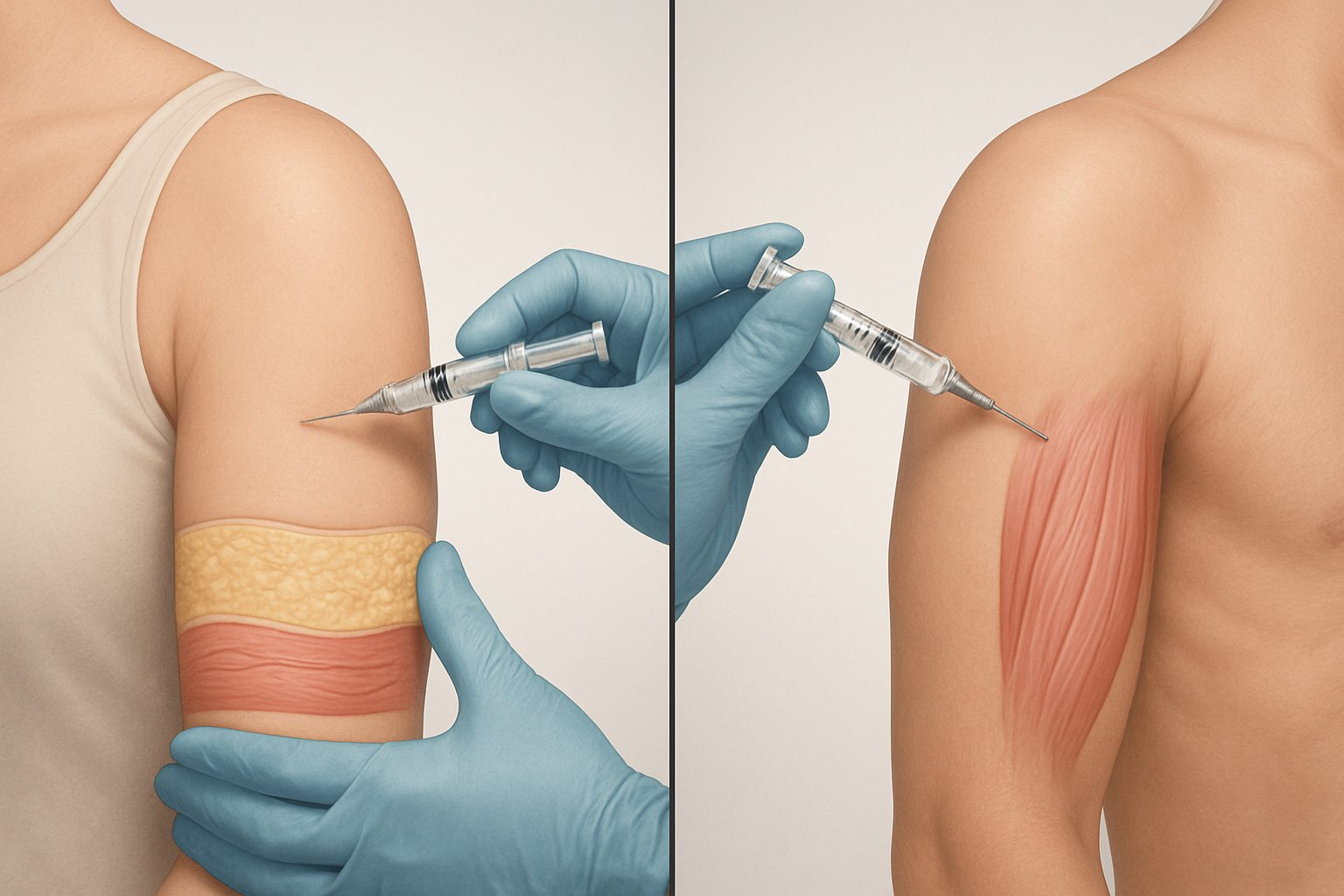
Testosterone replacement therapy keeps gaining traction, and honestly, the way it’s delivered can matter as much as the dose itself. In 2025, doctors still debate subcutaneous versus intramuscular injections, since each method shapes comfort, absorption, and long-term safety.
Most doctors these days lean toward subcutaneous injections for routine TRT. They’re just easier to give and usually less uncomfortable, while still providing steady hormone levels.
Let’s break down the differences between these two methods. We’ll look at how each works, why doctors might pick one over the other, and what factors actually influence the choice.
Monitoring health markers like hematocrit is crucial, since TRT can bump up red blood cell counts and raise risks if you don’t keep an eye on things.
When you look at testosterone replacement therapy (TRT), the way testosterone gets into the body changes how it works and how people feel. The two main injection routes—subcutaneous and intramuscular—bring their own benefits and challenges.
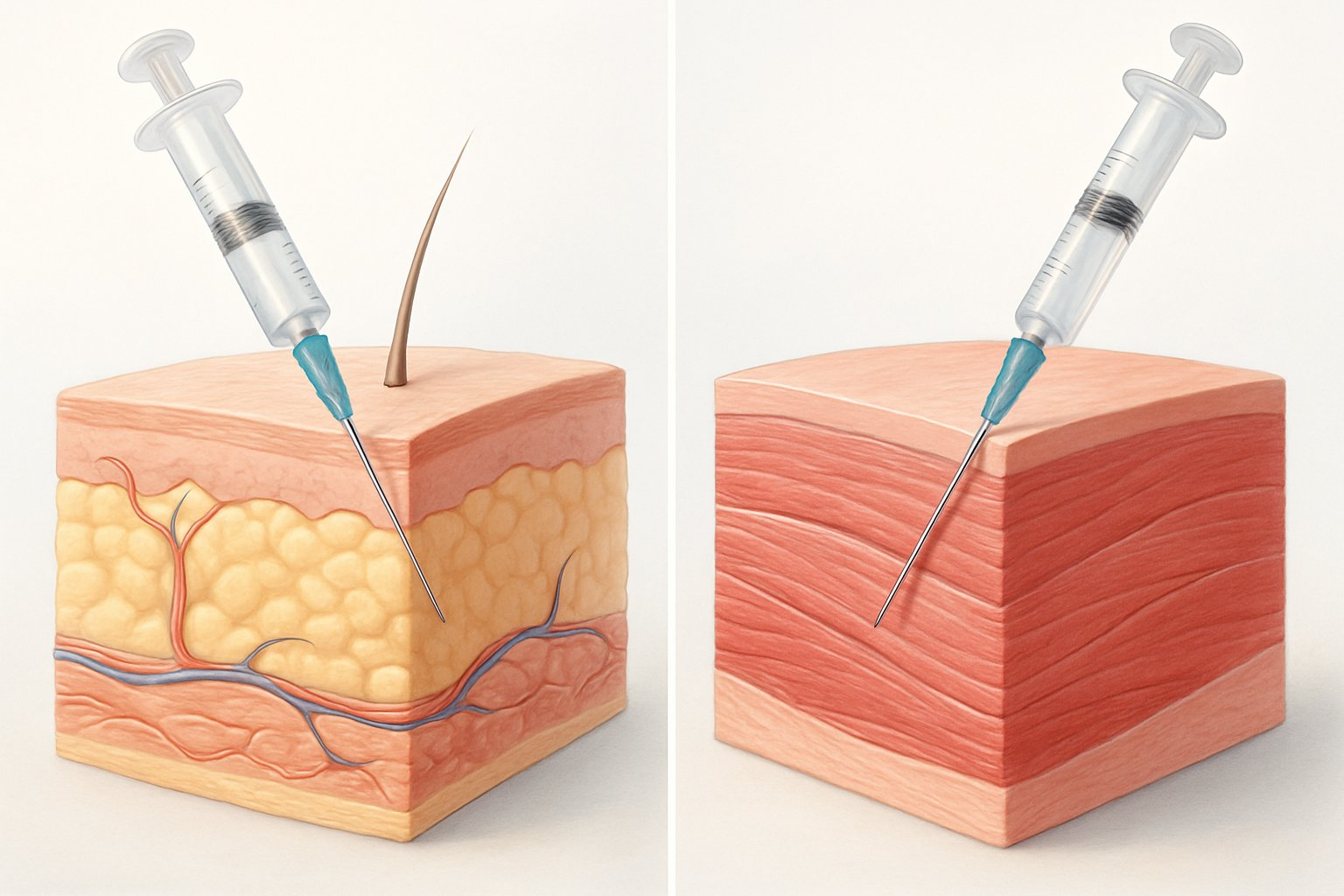
Subcutaneous injections go just under the skin, usually into areas with a bit more fat like the belly or thigh. This method uses smaller needles, which a lot of people find less painful and way easier to handle at home.
Subcutaneous injections often lead to more stable testosterone levels. The slower absorption through fat tissue tends to reduce those sharp hormone spikes that can mess with mood or energy.
Some studies suggest this method might lower the risk of side effects like high hematocrit. Patients who want convenience and comfort usually gravitate toward this option.
Intramuscular injections go deep into muscle tissue, usually the glute or thigh. This route’s been around for decades and remains common in clinics.
Muscle’s blood supply absorbs testosterone faster, which can cause a quicker rise in hormone levels. Sometimes, though, this leads to ups and downs in mood or energy that people notice.
Needle size and injection discomfort matter too. Intramuscular shots typically need longer needles, so some folks find them harder to self-administer. Still, a lot of doctors stick with this method for its predictable absorption and long track record.
Absorption speed and hormone stability really differ between these two methods. Subcutaneous injections release testosterone more gradually and can help keep blood levels steadier.
Discover highest-quality Testosterone injections in UK
Intramuscular shots often cause higher peaks and sharper drops. That can affect how people feel day to day—more stable levels might mean less irritability or fatigue, but some folks actually like the quicker rise from intramuscular dosing.
Choosing between these usually comes down to comfort, risk factors like hematocrit, and which method keeps testosterone in the sweet spot. Both can work well for treating low testosterone if you keep up with monitoring.
Doctors pick injection methods based on research, patient feedback, and safety. Both subcutaneous and intramuscular routes deliver testosterone, but the best choice balances steady hormone levels, comfort, and side effects.
Research shows both methods—subcutaneous (under the skin) and intramuscular (into the muscle)—can get testosterone to therapeutic levels. Many physicians still use intramuscular testosterone injections because they’re well-studied and reliable.
Subcutaneous injections, though, have become more popular lately. Studies suggest they keep testosterone levels steady and use smaller needles with less discomfort. That’s a big plus for anyone on long-term therapy.
Doctors also look at body composition, dosing schedules, and how patients responded in the past. For instance, men with higher hematocrit need closer monitoring, since TRT can raise blood clot risks.
Physicians may recommend one method over the other based on evidence, but honestly, both get the job done.
How people feel during therapy matters a lot. Intramuscular injections can cause soreness, bleeding, or bruising, especially with those long needles. Some find the deeper shots tough to do themselves.
Subcutaneous injections usually mean fewer complaints about pain. The smaller needles make weekly or twice-weekly doses less of a hassle. Many report less irritation and are more likely to stick with the routine.
Stable testosterone levels help too. Some notice fewer mood swings and steadier energy with subcutaneous injections, while others do just fine with intramuscular. The main thing is whether TRT keeps symptoms under control without nasty side effects.
When patients are comfortable and confident, they’re way more likely to stick with treatment.
Both methods are safe when you do them right, but the risks aren’t identical. Intramuscular injections can cause muscle scarring, bleeding, or nerve irritation—especially if technique slips. There’s also more chance of soreness afterward.
Subcutaneous shots might cause mild skin irritation or small lumps at the injection site. Usually, these go away on their own. For most patients, that’s a fair trade compared to the deeper tissue trauma from intramuscular injections.
No matter which method, monitoring is key. Regular blood tests track testosterone, hematocrit, and other markers to avoid problems like polycythemia. Doctors adjust dose or frequency depending on how your body reacts.
Good training and follow-up keep risks low and make sure therapy stays effective.
With testosterone replacement therapy, you really have to watch how your body responds. Regular testing helps catch changes in hormone levels, blood thickness, and side effects before they get serious.
Blood tests give the best window into how TRT’s working. They show if the dose is effective and safe, and track other markers like liver function, cholesterol, and prostate health.
Doctors usually order blood work at the start, then every few months. If things look good, the frequency might drop later.
Typical blood work includes:
Reviewing these results lets doctors tweak the injection schedule or dosage so testosterone stays in a healthy range.
One of the biggest safety checks during TRT is watching red blood cell count. Testosterone can push the body to make more red blood cells, raising hematocrit.
High hematocrit (polycythemia) can boost the risk of blood clots, heart attack, or stroke. Most doctors aim to keep hematocrit below 54%.
If levels get too high, doctors might reduce the TRT dose, switch injection methods, or recommend donating blood (therapeutic phlebotomy).
Tracking hematocrit with regular blood tests helps catch problems early, before they turn into something bigger.
TRT can bring on side effects that range from mild to more serious. You might notice acne, oily skin, or even some mood swings.
Some guys deal with fluid retention or disrupted sleep, which can be annoying. On the other hand, there are more serious risks like prostate growth or cardiovascular strain—definitely not stuff to ignore.
Regular blood tests and physical exams let us spot these problems early. If side effects show up, we can tweak the injection method, cut the dosage, or try supportive treatments.