
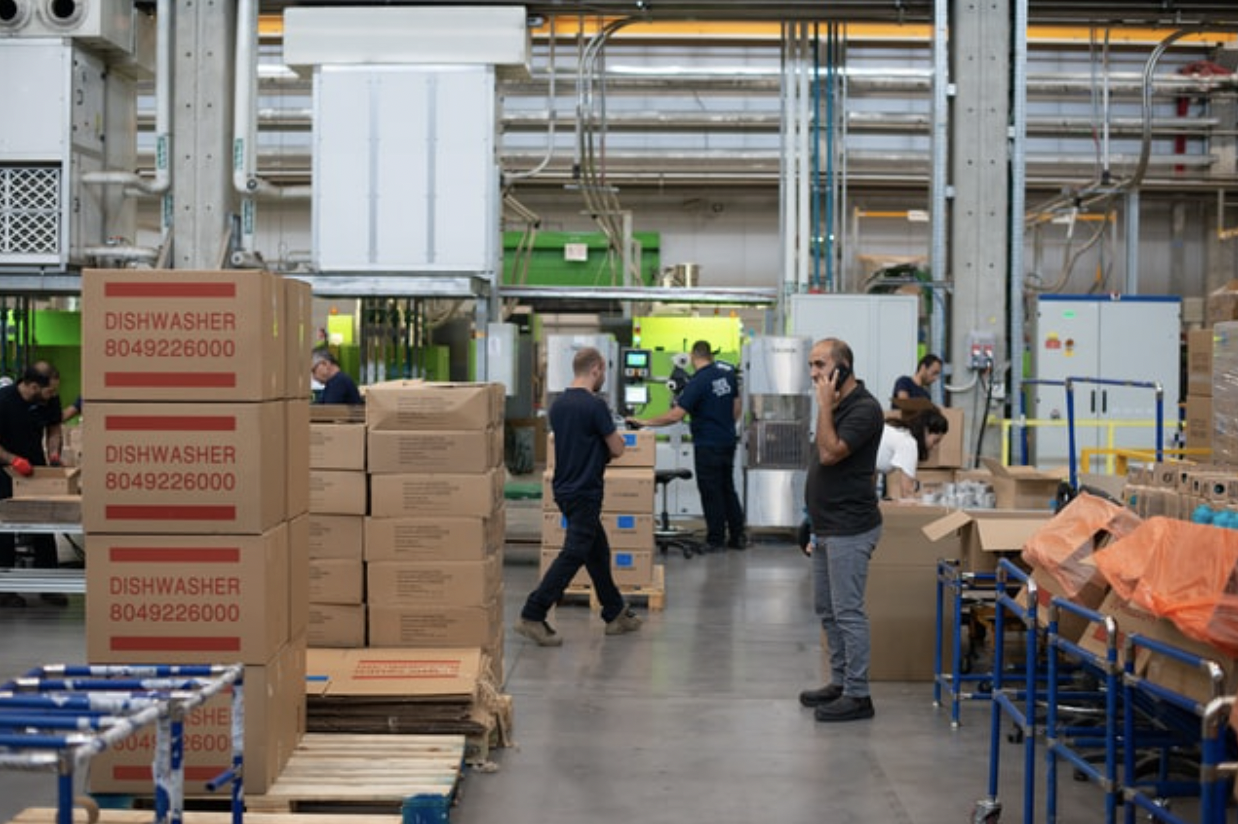
In the world of logistics and supply chain management, efficiency and accuracy are everything. Companies across industries rely on fast, organized, and reliable systems to ensure that products flow smoothly from manufacturers to customers. At the heart of this process lies the receiving warehouse, a vital facility that acts as the first stop for goods before they are distributed further. While often overlooked, the receiving stage is one of the most critical elements of supply chain operations, as it sets the tone for the accuracy, speed, and reliability of every subsequent step. Without a well-managed receiving warehouse, businesses risk delays, errors, and significant financial losses.The receiving warehouse is far more than just a storage location. It is a hub of activity where products are unloaded, inspected, sorted, and prepared for their next destination. This phase requires precision and attention to detail because mistakes made during receiving can create ripple effects throughout the entire supply chain. From incorrect inventory counts to damaged goods, even small oversights at this stage can lead to dissatisfied customers and reduced profitability. For companies seeking to stay competitive in today’s demanding marketplace, the efficiency of their receiving process is crucial, making the receiving warehouse a true backbone of operational success.
The primary role of a receiving warehouse is to serve as the entry point for goods arriving from manufacturers, suppliers, or distribution centers. This facility is where shipments are first accepted, verified, and recorded into inventory systems. Once the items are checked for quality and accuracy, they are stored, organized, or immediately prepared for outbound delivery depending on business needs.
What makes the receiving warehouse so important is its influence on the overall accuracy of a company’s inventory. If shipments are received incorrectly—whether due to miscounts, misplaced items, or damaged products—the entire supply chain suffers. Customers may end up with late deliveries, incorrect items, or canceled orders, all of which damage the company’s reputation. By ensuring that the receiving process is handled professionally and systematically, businesses create a strong foundation for smooth and reliable operations.
Accuracy is the lifeblood of any receiving warehouse. The moment products arrive, warehouse staff must inspect and verify that the shipment matches the order placed. This means checking quantities, reviewing purchase orders, and ensuring that goods are free from damage. Each step is essential because inaccuracies at the receiving stage will affect inventory records and disrupt fulfillment operations.
Imagine a scenario where a shipment of 1,000 units arrives, but due to poor receiving practices, only 950 are logged into the system. This discrepancy may not be noticed immediately but will eventually lead to fulfillment errors, with customers receiving fewer products or backorders being triggered unnecessarily. Such mistakes harm customer trust and increase costs. That is why the receiving warehouse is so important—it is the gatekeeper that ensures all incoming goods are recorded accurately and handled with care before they move further down the supply chain.
Modern businesses increasingly rely on technology to improve the efficiency of their receiving warehouse. Barcode scanners, RFID systems, and automated inventory management software now play a central role in ensuring that receiving processes are fast, accurate, and transparent. These tools eliminate the need for manual record-keeping, reduce human error, and allow managers to track shipments in real time.
By integrating advanced technologies, companies gain better visibility into their supply chain. For example, RFID tags allow shipments to be scanned instantly as they arrive, ensuring that every item is accounted for without the need for manual counting. Automated inventory systems then sync this data across the company’s platforms, ensuring that sales teams, procurement departments, and distribution centers all have access to the most accurate information. A well-equipped receiving warehouse becomes not just a storage space but a smart hub that supports the entire business ecosystem.
Although customers may never see or visit a receiving warehouse, its operations have a direct impact on their satisfaction. A well-organized receiving process ensures that products move quickly and accurately from suppliers to customers. When shipments are checked thoroughly and recorded properly, businesses can fulfill orders faster, minimize delays, and prevent the common issues that frustrate customers, such as backorders or incorrect deliveries.
On the other hand, poor receiving practices often result in slow shipping times, miscommunication, and inventory shortages. These problems are felt most strongly by the end customer, who may lose confidence in the brand. That is why many businesses prioritize improving their receiving warehouse operations—not just for internal efficiency, but as a strategy to enhance customer trust and loyalty. In today’s competitive environment, where customers expect fast and flawless service, a well-functioning receiving process is more valuable than ever.
For many companies, the receiving warehouse is more than a logistical necessity—it is a strategic advantage. By investing in better receiving practices, businesses can reduce costs, improve inventory accuracy, and gain a competitive edge. A strong receiving process minimizes the need for corrections, reduces wasted time, and creates a smoother flow of goods from suppliers to customers.
For retailers, manufacturers, and distributors alike, the receiving warehouse plays a critical role in ensuring profitability. Every product that is received, inspected, and properly recorded represents potential revenue. Every mistake avoided means less waste and greater efficiency. The receiving stage is where businesses can establish control over their supply chain, preventing problems before they occur.
Despite their importance, receiving warehouses often face challenges that can disrupt operations. High shipment volumes, inconsistent supplier practices, and limited staffing can put pressure on receiving teams. Without the right systems in place, these challenges lead to errors, delays, and inefficiencies.
Seasonal spikes in demand present another challenge. During peak shopping seasons or promotional events, warehouses may receive far more shipments than usual. Without careful planning and adequate resources, the receiving warehouse can become overwhelmed, causing delays that cascade throughout the supply chain. Businesses that anticipate these challenges and invest in technology, staff training, and process improvements are better equipped to keep their receiving operations running smoothly even under pressure.
As supply chains continue to evolve, the role of the receiving warehouse will only grow in importance. Businesses are increasingly embracing automation, artificial intelligence, and robotics to improve efficiency at every stage of logistics, including receiving. Automated guided vehicles (AGVs), conveyor systems, and AI-powered sorting tools are already transforming warehouses, making the receiving process faster and more reliable than ever before.
Sustainability is another area shaping the future of receiving. Companies are looking for ways to reduce packaging waste, streamline shipments, and create eco-friendly warehouse operations. The receiving warehouse of the future will not only be more efficient and technologically advanced but also more sustainable, aligning with global efforts to reduce environmental impact.
When analyzing the factors that make a supply chain successful, the receiving warehouse deserves significant attention. It is the first step in the process that determines how smoothly products move from suppliers to customers. By ensuring accuracy, leveraging technology, and prioritizing efficiency, businesses can turn their receiving facilities into powerful drivers of success.
Whether it’s reducing costs, improving customer satisfaction, or strengthening inventory control, the benefits of a well-managed receiving process are undeniable. Companies that invest in their receiving warehouse not only solve logistical challenges but also create opportunities for long-term growth and competitive advantage. In a marketplace where speed, reliability, and accuracy are non-negotiable, the receiving stage remains the foundation upon which successful supply chains are built.







