
Diamonds have long been symbols of love, beauty, and timeless elegance. Traditionally, diamonds are formed deep within the Earth under intense pressure and heat, taking billions of years to develop before being mined and polished into the sparkling stones we know today.
However, technological advancements have changed the jewelry industry dramatically, making diamonds more accessible, ethical, and affordable. Enter lab-grown diamonds—a modern alternative to mined diamonds that are rapidly gaining popularity around the world.
But what exactly are lab-grown diamonds, and how do they compare to natural ones? In this comprehensive guide, we’ll explore everything you need to know about lab-grown diamonds, from how they’re made to why so many couples and jewelry enthusiasts are choosing them.
What Are Lab-Grown Diamonds?
Lab-grown diamonds, also called synthetic or cultured diamonds, are real diamonds created in controlled laboratory environments using advanced technology. They have the same physical, chemical, and optical properties as natural diamonds, which means they sparkle, shine, and cut in the same way as diamonds mined from the Earth.
The only difference is their origin: while natural diamonds form over billions of years underground, lab-grown diamonds are made in just a matter of weeks using high-tech processes.
How Are Lab-Grown Diamonds Created?
There are two primary methods used to create lab-grown diamonds:
1. High Pressure, High Temperature (HPHT)
This process mimics the natural conditions that form diamonds in the Earth. Carbon is placed under intense pressure and heat, eventually crystallizing into a diamond.
2. Chemical Vapor Deposition (CVD)
CVD involves placing a diamond seed into a chamber filled with carbon-rich gases. These gases are heated until carbon atoms separate and attach themselves to the seed, layer by layer, forming a diamond crystal over time.
Both methods result in diamonds that are visually and chemically indistinguishable from natural ones.
Are Lab-Grown Diamonds Real Diamonds?
Yes—lab-grown diamonds are 100% real diamonds. They are not imitations like cubic zirconia or moissanite, which only look like diamonds. Instead, lab-grown diamonds are chemically identical to natural diamonds, which means even professional gemologists often need specialized equipment to tell them apart.
When you buy a lab-grown diamond, you’re purchasing a stone that sparkles, shines, and endures just like a mined diamond.
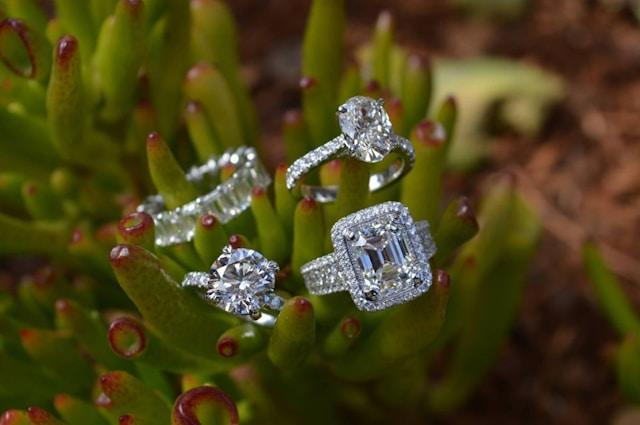
Why Choose Lab-Grown Diamonds?
Lab-grown diamonds offer several advantages that make them appealing to modern buyers:
1. Ethical and Conflict-Free
One of the biggest reasons people choose lab-grown diamonds is their ethical sourcing. Traditional diamond mining has, at times, been linked to unethical practices, including environmental damage and conflict. Lab-grown diamonds eliminate these concerns, as they are produced in controlled environments.
2. More Affordable
Lab-grown diamonds are typically 30–40% less expensive than mined diamonds of similar quality. This makes them a great option for couples who want a larger or higher-quality stone without stretching their budget.
3. Environmentally Friendly
Mining natural diamonds often involves significant land disruption, water usage, and carbon emissions. Lab-grown diamonds, on the other hand, have a much smaller environmental footprint.
4. Quality and Beauty
Lab-grown diamonds often have fewer inclusions (imperfections) compared to natural diamonds, meaning they can actually look clearer and more brilliant in some cases.
Lab-Grown vs. Natural Diamonds: Key Differences
While lab-grown and natural diamonds are virtually identical in terms of appearance and composition, there are some differences to consider:
Are Lab-Grown Diamonds Certified?
Yes. Just like natural diamonds, lab-grown diamonds can be graded and certified by reputable organizations such as the Gemological Institute of America (GIA) or the International Gemological Institute (IGI). Certifications ensure transparency about the diamond’s cut, clarity, carat weight, and color, giving buyers peace of mind.
Common Myths About Lab-Grown Diamonds
Myth 1: They’re Not “Real” Diamonds
Fact: Lab-grown diamonds are chemically and physically identical to natural diamonds.
Myth 2: They Don’t Last as Long
Fact: Lab-grown diamonds are just as durable as mined ones. They score a 10 on the Mohs hardness scale, making them one of the hardest known substances.
Myth 3: They All Look the Same
Fact: Just like natural diamonds, lab-grown diamonds come in a variety of cuts, colors, and qualities. Each stone is unique.
Who Should Consider a Lab-Grown Diamond?
Lab-grown diamonds are perfect for:
The Future of Lab-Grown Diamonds
The popularity of lab-grown diamonds is skyrocketing, especially among millennials and Gen Z buyers who prioritize sustainability, affordability, and ethical sourcing. As technology improves, lab-grown diamonds are becoming more widely available, making them a mainstream choice for engagement rings, wedding bands, and fine jewelry.
With increasing acceptance from major jewelers and certification organizations, lab-grown diamonds are no longer seen as an alternative—they’re a legitimate, desirable option in their own right.
Final Thoughts
Lab-grown diamonds are reshaping the jewelry industry. Offering the same beauty, sparkle, and durability as natural diamonds—at a fraction of the cost and with fewer ethical concerns—they present an exciting choice for modern consumers. Whether you’re shopping for an engagement ring, a timeless necklace, or a pair of dazzling earrings, lab-grown diamonds provide a perfect balance of luxury, affordability, and responsibility.
If you’re considering this option, you can even purchase lab grown diamonds in Canada through reputable jewelers who specialize in sustainable and ethical jewelry options.
By choosing lab-grown, you’re not only investing in a beautiful piece of jewelry—you’re also making a conscious choice that reflects your values and lifestyle.







