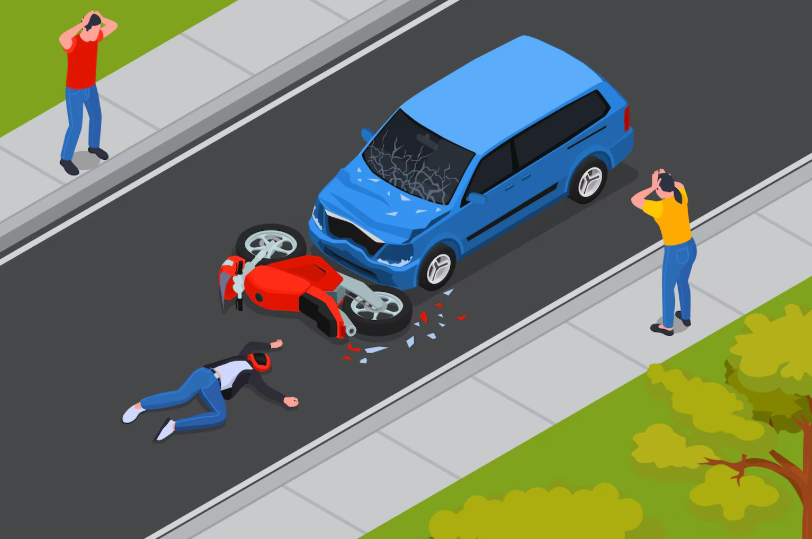
Being involved in a hit-and-run accident is one of the most frustrating and frightening experiences any driver can face. The shock of impact is immediately followed by the dismay of watching the responsible party flee the scene, leaving you to deal with the aftermath alone.
Understanding how to respond in these critical moments can make a significant difference in protecting your rights and securing compensation.
The moments immediately following a hit-and-run accident can be overwhelming, but your first priority must always be safety. Take a few deep breaths to calm yourself and quickly assess whether you or any passengers have sustained injuries. Even minor collisions can cause injuries that aren't immediately apparent due to adrenaline.
If you're in immediate danger from traffic or other hazards, move to a safe location if possible. However, if you suspect serious injuries, remain still and wait for emergency medical personnel to arrive. Never prioritize pursuing the fleeing driver over your own safety or the safety of others involved.
Once you've ensured your immediate safety, call emergency services without delay. Dial the appropriate emergency number and report the hit-and-run accident to the police. Provide them with your exact location, a description of what happened, and information about any injuries sustained in the collision.
The police report created from this call will become a crucial document for your insurance claim and any potential legal action. Law enforcement officers will document the scene, gather evidence, and begin the process of tracking down the fleeing driver. Their official report carries significant weight with insurance companies.
“While details are fresh in your mind, start collecting as much information as possible about the incident. Try to recall specific details about the vehicle that struck you, including the make, model, color, and any distinguishing features like dents, stickers, or custom modifications,” says T. Madden & Associates, a renowned group of Augusta car accident lawyers.
If you caught even a partial license plate number, write it down immediately. Even a few numbers or letters can help law enforcement narrow down potential suspects significantly. Note the direction the vehicle was traveling when it left the scene and any other identifying characteristics you remember.
Use your smartphone to photograph the accident scene from multiple angles before anything is moved or cleaned up. Capture images of all vehicle damage, road conditions, skid marks, debris, traffic signs, and the surrounding environment. These photographs serve as invaluable evidence that can support your version of events.
Take pictures of any visible injuries you've sustained, even if they seem minor at the time. Injuries often become more apparent in the hours and days following an accident. Document the date, time, and weather conditions, as these factors can be relevant to accident reconstruction.
Look around for anyone who may have witnessed the accident or seen the fleeing vehicle. Witnesses can provide crucial corroborating testimony that strengthens your case significantly. Approach them politely and ask if they would be willing to provide a statement to the police.
Collect names, phone numbers, and addresses from any willing witnesses before they leave the scene. Some people may be in a hurry, so be respectful of their time while emphasizing how important their testimony could be. If witnesses have already spoken to police, make note of that fact.
Modern urban environments are filled with security cameras that may have captured the accident or the fleeing vehicle. Look around for cameras on nearby businesses, traffic lights, residential homes, or parking lots. These recordings could provide the breakthrough needed to identify the responsible driver.
Make note of the locations where cameras are present and inform the investigating police officers. Many surveillance systems automatically overwrite footage after a certain period, so acting quickly is essential. Business owners are often willing to cooperate with law enforcement investigations.
Even if you feel fine immediately after the accident, seek medical evaluation as soon as possible. Some injuries, particularly soft tissue damage, concussions, and internal injuries, may not manifest symptoms for hours or even days. A prompt medical examination creates an official record linking your injuries to the accident.
Follow all treatment recommendations from your healthcare providers and keep detailed records of all medical appointments, treatments, and expenses. These documents become essential evidence if you need to pursue compensation for your injuries. Never skip follow-up appointments, as gaps in treatment can be used against you.
Contact your insurance company to report the hit-and-run accident as soon as reasonably possible after the incident. Most insurance policies require prompt notification of accidents, and delays could potentially jeopardize your claim. Provide them with all the information you've gathered, including the police report number.
Be honest and thorough in your account of what happened, but avoid speculating about details you're uncertain about. Your insurance company will investigate the claim and determine what coverage applies. Depending on your policy, you may have uninsured motorist coverage that can compensate you even if the fleeing driver is never found.
Review your insurance policy carefully to understand what coverage you have for hit-and-run accidents. Uninsured motorist coverage typically applies in hit-and-run situations, as the fleeing driver is treated similarly to an uninsured driver. This coverage can pay for medical expenses, lost wages, and vehicle repairs.
Collision coverage may also apply to cover vehicle damage regardless of fault. Understanding your policy's deductibles, limits, and exclusions helps you know what to expect from the claims process. If you're uncertain about your coverage, don't hesitate to ask your insurance agent for clarification.
Depending on the severity of your injuries and damages, consulting with a personal injury attorney experienced in hit-and-run cases may be beneficial. An attorney can help you navigate complex insurance negotiations, ensure you receive fair compensation, and pursue all available avenues for recovery.
Many personal injury attorneys offer free initial consultations and work on a contingency fee basis, meaning they only get paid if you recover compensation. They can handle communications with insurance companies, gather additional evidence, and represent your interests if litigation becomes necessary.
The investigation of a hit-and-run accident can take time, but staying engaged with the process increases the chances of a successful resolution. Maintain regular contact with the investigating police officers and your insurance company to check on the progress of your case. Provide any additional information or evidence that comes to light.
Keep organized records of all correspondence, expenses, and developments related to the accident. This documentation creates a comprehensive file that supports your claim and helps ensure nothing falls through the cracks. Persistence and thorough record-keeping often make the difference between successful and unsuccessful claims.