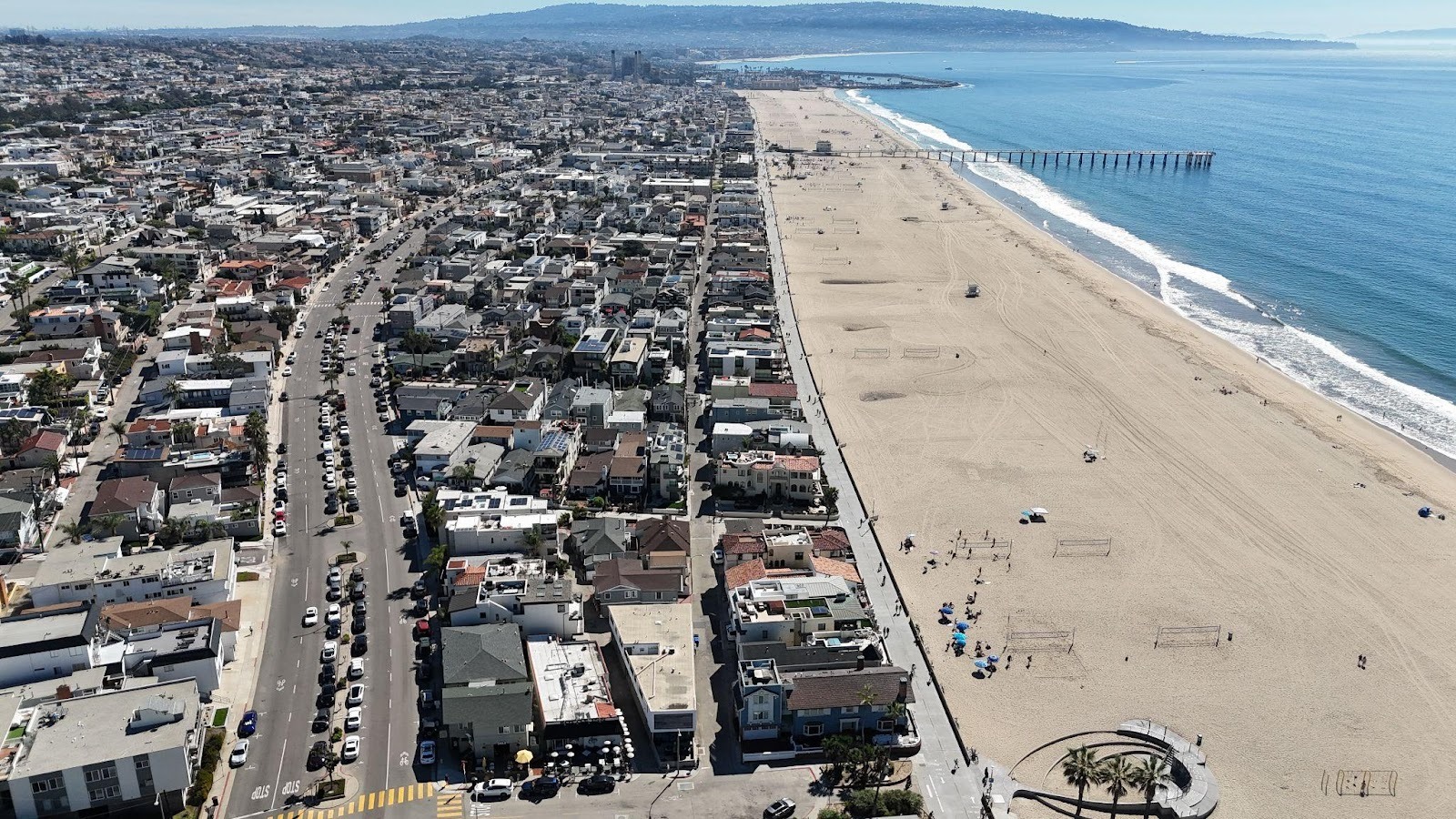
If you’re searching for affordable Hermosa Beach movers and considering a relocation to the South Bay region of Los Angeles County, you’re tapping into one of Southern California’s most sought-after communities. Nestled along the Pacific in the trio of Beach Cities (Manhattan Beach, Hermosa Beach, Redondo Beach), Hermosa offers that rare blend of beach lifestyle, easy access to the greater LA job market, and a tightknit coastal community feel. But of course, “moving here” isn’t just about finding a great moving company—it’s also about making sure the lifestyle, cost of living, and community match your expectations.
In the following sections we’ll explore in depth what life looks like in Hermosa Beach and the broader South Bay: from sunshine and surf to the salary you’ll need, the demographics that shape the region, safety realities, and key tips for anyone planning a move.
The Lifestyle Appeal of Hermosa Beach & the South Bay
Beach-front living and outdoor culture
One of the most compelling reasons people move to Hermosa Beach is the lifestyle. With two miles of sandy shoreline, mild temperatures, and approximately 283 sunny days a year, the town embodies the classic Southern California beach-town experience. The Strand—a bike/walk path along the ocean—and the pier area provide daily opportunities for surfing, stand-up paddle-boarding, volleyball, running, and socializing outdoors.
Proximity to Los Angeles with a relaxed vibe
Though Hermosa Beach has direct access to the LA metro area, it retains a more relaxed, smaller-scale feel than many inner-city neighborhoods. You get the benefit of being near jobs, culture and amenities in LA, but return to a quieter, beach-centric environment. The result: a balanced lifestyle for people who want coastal access without being completely isolated from urban resources.
Family-friendly features & community
The community also appeals to families thanks to good schools, safe neighborhoods, and walkable downtown amenities. The neighborhood around Pier Avenue features local shops, restaurants, and entertainment in a compact, pedestrian-friendly area. High levels of educational attainment in the area support that community vibe.
Culture, events and “whole-life” appeal
Hermosa Beach isn’t just beach and surf—it has culture too. Between music venues, local festivals, the pier events, and beach-based recreation, residents enjoy a mix of leisure and community-oriented activity. The beach itself is a gathering place for both locals and visitors, adding vibrancy to the daily scene.
What It Costs & How Much You Should Earn to Live Here
One of the most practical questions when moving is: “Can I afford it?” The South Bay, and Hermosa Beach in particular, is priced accordingly—your income, housing budget and cost of living all matter.
Cost of living snapshot
- According to PayScale, Hermosa Beach’s cost of living is 106% higher than the U.S. average.
- BestPlaces indicates that to “live comfortably” in Hermosa Beach you’d need about $381,600 annually for a family, and about $106,000 for a single person.
- Typical rental ranges: one-bedroom apartments often run $2,500-$3,500/month; two-bedrooms can be $3,500-$5,000/month or more.
- House/condo values are very high: the median home value is around $1.8 million (as reported by Livability) and can reach above $2 million depending on location.
- Cost of living index: AreaVibes lists Hermosa’s cost of living index at 290 (meaning 190% higher than the U.S. average) with housing being the biggest driver.
Income you’ll want
Given those numbers:
- The median household income in Hermosa Beach is about $152,019 (2023) per Census estimates.
- Per capita incomes and individual earnings are also well above averages—many residents fall into high-earning brackets.
- If you're thinking of moving in, budgeting for housing costs of several thousand per month plus utilities, transportation and elevated general expenses is prudent.
- In short: if you're relocating for jobs or lifestyle, aim for a comfortable income that accommodates both housing and the premium cost of this coastal region.
Budgeting tips for movers
- Because housing is so elevated, you may decide to rent first, or seek neighborhoods slightly inland from the beach strip.
- Factor in parking permits, HOA fees (if any), coastal maintenance costs (salt air can mean more upkeep) and the premium on services/transportation.
- Partnering with movers that understand local logistics (narrow streets, beach city parking rules) will save headaches and hidden costs.
Demographics & Community Snapshot
Understanding who lives there helps you see whether you’ll fit in or find the kind of community you’re looking for.
Population & age
- Hermosa Beach has approximately 19,200 residents (2023).
- The median age is about 42.1 years.
- Average household size is fairly small (around 2 + persons).
Education & employment
- Around 76.5% of adult residents hold a college degree or higher—well above the U.S. average.
- Key employment sectors include leisure/hospitality (~23%), education/health (~19%), and professional/management (~12%) for Hermosa Beach residents.
- A high percentage of residents work in white-collar roles.
Ethnic & racial composition
- According to recent Census proportions: white alone (non-Hispanic) ~ 73.8% (2020), Asian ~ 7.1%, Hispanic/Latino any race ~ 10.5%.
- U.S.-born citizens comprise ~86.2% of the population.
Household & lifestyle structure
- About 50%+ of households are owner-occupied, while the remainder are rentals—so you’ll find both long-term residents and newer arrivals.
- The community skews toward professionals, families and beach-lifestyle oriented individuals.
Why this matters for relocating
- If you’re moving in with kids, you’ll find strong educational credentials in the local population; schools in the area are well-regarded.
- For single professionals, the dynamic neighborhood offers social, outdoor and cultural amenities.
- If you seek a very diverse environment in terms of income/ethnicity, keep in mind this is a premium coastal area—some of the more affordable tiers may lie just outside the beach strip.
Safety & Crime Considerations
Safety is a critical factor when choosing a new place to live. While Hermosa Beach enjoys many positives, being informed is wise.
Crime profile
- Hermosa Beach consistently shows lower violent crime rates compared to many urban areas of Los Angeles County; the compact beach town character supports a sense of community and watchfulness.
- Though hard data specific to Hermosa Beach’s crime rate in this article is limited, the general profile of Beach Cities towns is favorable for safety and residential peace.
What to ask / look into
- When planning your move, look up crime statistics by ZIP code or neighborhood (for example 90254) to get granular details.
- Check for property crime trends (burglaries) and considerations like beach-front visibility (which can increase tourist traffic and parking issues).
- Investigate aspects like lighting, neighborhood watch, parking enforcement, and how busy the area gets at night (especially near Pier Avenue or the beach).
Relocation logistics & safety
- A professional mover familiar with Hermosa can help navigate narrow streets, nearby beach traffic, parking rules and restricted loading/unloading zones—saving you time and potential cost or damage.
- If moving into an older beach town house, consider checking for structural features (e.g., flood risk, sea-air corrosion, maintenance of older homes) that can impact your long-term comfort and safety.
Why People Are Relocating to Hermosa Beach & the South Bay
Putting together lifestyle, cost, community and safety, here are key reasons people move to this area—and also some honest trade-offs.
Key draw-factors
- Location + Lifestyle: Beach access, outdoor options, moderate weather, walkable downtown, and the relaxed coastal culture.
- Career Flexibility: Because Hermosa is part of the greater LA region, you can live by the beach while still commuting (or working remote) for LA-area jobs.
- Community & Schools: For families, the reputation of the local schools, combined with beach lifestyle and safe neighborhoods, is a strong pull.
- Quality of Life Upgrades: Many people move from denser or more stressful urban environments in search of more balanced living, slower pace yet with top-tier amenities.
Common trade-offs / what you should know
- High cost of living: As noted, housing and daily expenses are elevated—so you’re paying a premium for the location.
- Parking, traffic & limited space: Beach cities often have narrow streets, limited parking, coastal zoning constraints and higher competition for housing.
- Tourist & seasonal traffic: Being a beach city means more visitors, beach events, and sometimes crowds—so if you expect very quiet suburbia, you may need to pick your exact block carefully.
- Maintenance & coastal wear: Sea air, humidity and beach proximity mean more consideration for home maintenance, especially for outdoor living spaces and wood/metal exteriors.
How to Make the Move Smooth: Tips for Relocating to Hermosa Beach
When you’ve decided that Hermosa Beach could be your next home, these tips will help ensure a smoother transition.
Choose the right mover
Hiring a moving company that understands beach-city logistics, local L.A. parking/loading rules, narrow streets, and the specific demands of the South Bay is key. Search for experienced professionals in the region and ask directly: have you served Hermosa Beach relocations before? Do you know the zoning/parking rules? Tools, disassembly/assembly services, floor-protection and careful handling all count.
Scout neighborhoods with purpose
Though Hermosa is compact, not every block is equal. Consider:
- Proximity to the beach/Strand vs inland streets (which may be quieter and more affordable)
- Nearby schools, access to public transit (if you commute)
- Parking availability/permit policies
- Walkability to shops/restaurants (Pier Avenue area)
- Maintenance history of the home (especially with older beach houses)
Budget realistically
- Plan for elevated rent/mortgage, higher utilities or home-owner expenses, possible HOA fees, insurance (consider coastal risks)
- If renting first, allow 1–2 months buffer on moving costs, deposits, and any upgrades or immediate maintenance
- Include moving costs (packing materials, disassembly/assembly, floor protection) as part of your relocation expenses
Timing & staging
- If you currently live elsewhere, try to visit Hermosa Beach in person to sample traffic, parking, walkability and local vibe (weekday vs weekend)
- If moving with kids, align with local school calendars and try to scout before the move so you know the layout of the area
- Consider a gradual transition: move personal items first, rent short-term, then buy when you’re comfortable with the neighborhood
Understand local rules & logistics
- Beach cities often have special loading zones for moves, limited street parking for trucks, daytime restrictions
- Check for local ordinance or homeowner association (HOA) rules about noise, exterior modifications, color schemes
- If you’re moving heavy furniture, have the mover inspect for elevators, stairs, narrow hallways, flooring protection—especially if you’re in a townhouse or older home
Maintain the lifestyle
- Once moved, integrate into the community: walk/ride the Strand, attend beach events, visit the downtown Pier Avenue area, participate in local markets/festivals
- Maintain your home (coastal maintenance matters) so your investment stays strong and you enjoy the space you moved for
Final Thoughts
Relocating to the South Bay region—and especially Hermosa Beach—can be a wonderful decision for those who value beach-front living, community charm and proximity to Los Angeles job/cultural hubs. The lifestyle benefits are undeniable: surf, sand, sunshine, outdoor activity, and a walkable, engaged community.
That said, it’s important to approach the move with eyes wide open about cost, logistics and long-term responsibilities. Housing and general living costs are high. Parking and traffic are more constrained than in inland suburbs. Maintenance demands and community rules may be more structured. But if you budget carefully, pick the right neighborhood, and hire a moving partner who handles local details well, you’ll be well positioned to make the most of it.
For anyone preparing a move, performing research—including income needs, neighborhood contrasts and moving logistics—is key. And when you’re ready to make the leap, choosing a mover experienced with South Bay moves will help you start your next chapter smoothly.








