
Coffee Roasting is a transformative process, turning raw green coffee into aromatic, flavorful beans. It's an intricate dance between art and science, demanding precision to unlock true quality. This complex process impacts every sip, defining the ultimate coffee experience through careful management and skill. Mastering coffee roaster machine elevates the final cup's character.
Before any Roasting magic happens, we start with green coffee beans. These are the raw, unroasted seeds of the coffee cherry, essentially dormant powerhouses of potential aroma and flavor. Unlike the dark, fragrant beans we know, green beans are hard, dense, and possess a grassy, almost hay-like smell. Their color can vary from pale green to deep bluish-green, depending on their origin and processing method. Understanding these raw beans is the first critical step for any coffee roaster.
The inherent quality of these green beans dictates the maximum potential of the final roasted coffee. No amount of expert roasting can turn poor quality green beans into an exceptional cup. Factors like varietal, growing altitude, soil, climate, and post-harvest processing (such as washed, natural, or honey processes) all profoundly impact the chemical composition and physical characteristics of the green beans. For instance, a dense, high-grown bean will often behave differently under heat than a less dense, lower-grown bean, requiring adjustments to the roasting profile.
Moisture content is another crucial aspect. Green beans with too much moisture might roast unevenly and taste baked, while those that are too dry can scorch quickly. Knowledge of these properties allows the roaster to anticipate how the beans will react to heat application within the drum. Each batch of green beans tells a story about its origin and journey, and a skilled roaster learns to interpret these subtle cues. This deep understanding ensures that when the heat goes on, the roaster can coax out the best possible flavor and aroma, setting the stage for a truly specialty coffee experience. Without this foundation, the entire Roastery process is built on shaky ground. The latent sugars and acids within green beans are waiting to be transformed, but only if handled with respect and knowledge. Ultimately, the journey from green to glorious begins here, with profound appreciation for raw material.
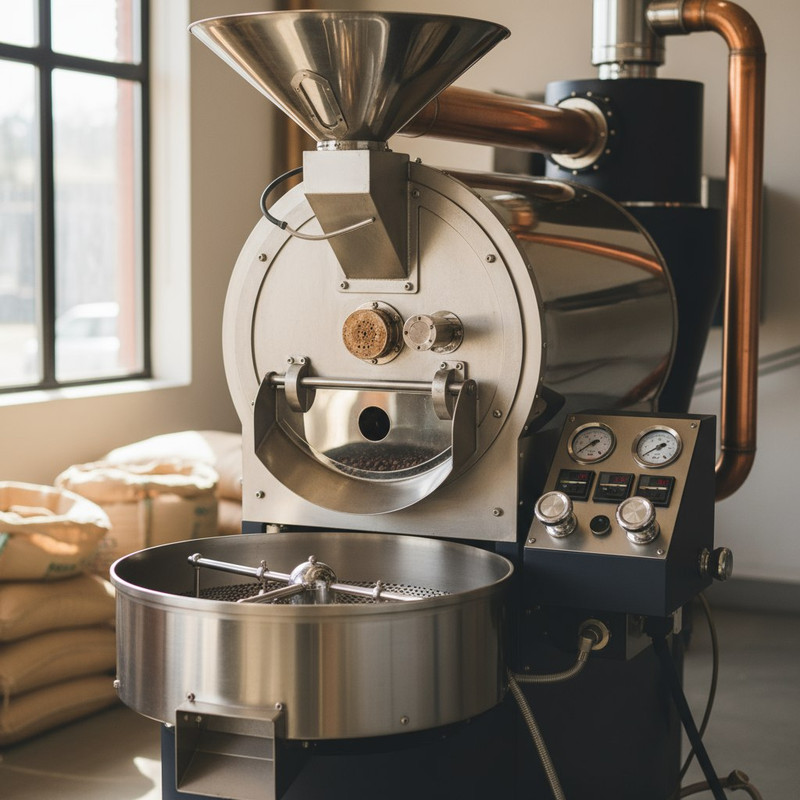
The Roasting process transforms humble green beans into the aromatic, flavorful coffee we love. This intricate process applies controlled heat, driving chemical changes that unlock a vast spectrum of sensory experiences. It's a fundamental step that defines the final quality and character of every single batch, moving from raw potential to a cup brimming with delightful taste.
At the core of most roasteries, from small artisan shops to large commercial operations, stands the drum roaster. This essential equipment transforms green coffee beans. Its fundamental design features a rotating cylindrical drum, usually cast iron or steel, which constantly tumbles the beans during the Roasting process. This tumbling action ensures even heat application to every bean in the batch, preventing scorching or uneven development, crucial for consistent quality. It’s the workhorse for every batch.
A drum roaster applies heat indirectly. A heat source, typically gas burners, warms the air and the drum's metal. As the drum rotates, beans receive both conductive heat from the hot drum surface and convective heat from the hot air circulating inside. This dual heating is vital for a comprehensive, controlled roast. Without proper agitation, some beans would scorch while others under-roast, leading to an inconsistent flavor profile in the final cup, affecting overall batch quality significantly.
Modern drum roasters are sophisticated, with sensors for bean and exhaust temperature, and precise heat input controls. Capacity varies greatly, from small home units handling a few hundred grams to massive commercial machines processing hundreds of kilograms per batch. The core principle stays constant: efficiently and uniformly transfer heat to green beans, initiating complex chemical reactions that create coffee's distinctive aroma and flavor. Robust drum construction and stable temperature maintenance are key for repeatable, high-quality roasts. It's the primary tool for executing a desired Roasting profile, ensuring each batch reaches its full potential. This critical equipment is indispensable for producing specialty coffee, providing the foundation for every delicious brew.
Mastering the large electric roasters process hinges critically on precise heat and airflow control. These two factors are the lifeblood of transforming green beans into a symphony of aroma and flavor. Within the drum roaster, the applied temperature profile dictates the pace and intensity of chemical reactions, driving the crucial development of the coffee. Too much heat too fast can scorch the beans; too little, and they might bake, resulting in a flat, underdeveloped cup lacking the vibrancy expected in specialty coffee.
Heat primarily drives the internal changes within the beans. As temperature rises, moisture evaporates, and complex sugars begin to react through the Maillard reaction, creating browning and thousands of new compounds. Further into the process, caramelization occurs, adding sweetness and body. An experienced roaster uses the equipment's control panel to modulate heat input, following a carefully designed profile for each particular batch. This precise control ensures that the beans hit the first crack and subsequent stages at the right moments, maximizing their inherent quality.
Equally vital is airflow. It serves multiple purposes in the roaster. Firstly, it facilitates convective heat transfer, ensuring even heat distribution throughout the batch. Secondly, it removes smoke and excess moisture, preventing stale or smoky notes from developing. Crucially, airflow also extracts chaff – the papery skin that separates from the beans during Roasting – preventing it from burning and imparting off-flavors. Without adequate airflow, heat can become stagnant, leading to uneven roasts or baked beans, severely compromising the final quality. Whether it's an artisan, commercial, or even a home Roasting setup, the delicate balance between heat and airflow is paramount. Achieving this balance is a continuous effort in the roastery, ensuring each roasted batch delivers its full potential in every cup.
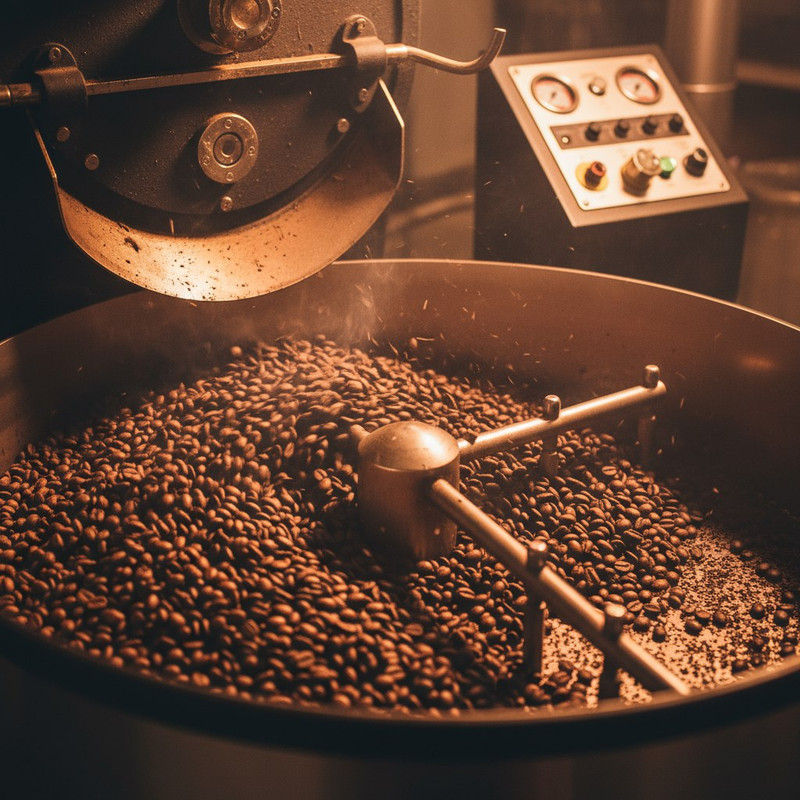
A Roasting profile is the blueprint for transforming green beans into a flavorful masterpiece. It's a meticulously planned sequence dictating how temperature changes over time within the drum roaster. This isn't just a random act; it’s a precise control strategy, essential for extracting the desired aroma and flavor from each batch of specialty coffee. Every profile is unique, tailored to the specific green beans, their origin, density, and moisture content, as well as the desired end taste.
The temperature curve within the profile guides beans through critical stages. Heat first dries them, preparing for reactions. As temperature rises, the Maillard reaction kicks in, causing browning and creating aromatic compounds, where coffee's complexity forms. Caramelization adds sweetness and body, while the first crack signals significant internal development. The duration of each stage and the rate at which temperature rises (Rate of Rise or ROR) are under the roaster's constant control, profoundly influencing final quality.
Crafting an effective profile demands deep understanding. Artisan roasters develop signature profiles; commercial operations focus on consistency. Even home roasters experiment. The interplay of heat input and airflow control is key to execution. Too fast, beans might taste underdeveloped or baked; too slow, they lose vibrancy. The profile optimizes development, preventing issues like excessive chaff. This continuous process of learning and adjusting profiles defines a skilled roastery, ensuring every batch yields exceptional quality and delightful flavor.
The Roasting process transforms green beans in the drum through vital stages, shaping final aroma and flavor. First, the Maillard reaction. Occurring at 140-165°C, this chemical process browns beans, creating new aromatic compounds from raw green material. Precise temperature control is vital for rich specialty quality, defining batch potential via initial development.
Next, the 'first crack'. This audible, popcorn-like sound signals internal pressure release within beans. It marks a major Roasting milestone, indicating transition to lighter-to-medium roasts and crucial development. Timing and intensity of this crack are critical for the roaster, guiding immediate temperature profile and heat adjustments. Skilled artisan roasters use this for precise control of each batch's intended flavor. Proper airflow and equipment control prevent scorching, maintaining quality.
Post-first crack, as temperature rises, caramelization dominates, shaping further flavor. Sugar breakdown in beans adds sweetness, body, darker notes (caramel, chocolate aromas). Caramelization is managed via Roasting profile; over-caramelization yields bitterness, underdevelopment sourness. Balancing Maillard and caramelization defines ultimate quality. This intricate process demands continuous control in any roastery (commercial or home) for full batch potential. Cooling and chaff removal are essential.
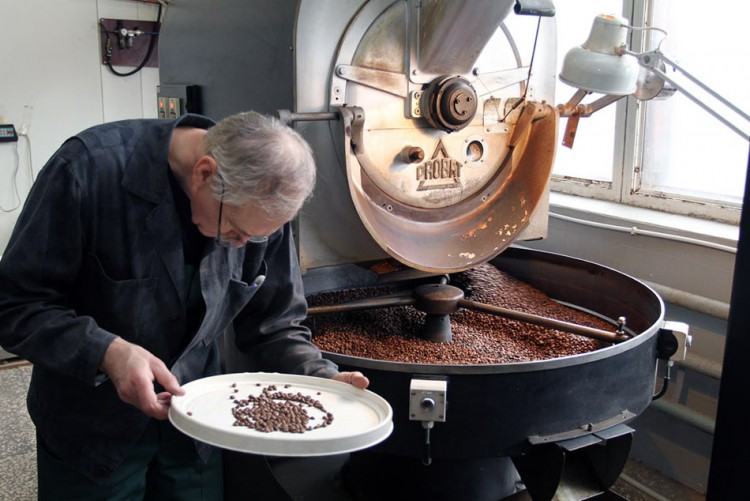
Following the Roasting process, after achieving ideal temperature profile and optimal development, two crucial steps ensure coffee quality: chaff removal and rapid cooling. These preserve the delicate aroma and complex flavor created in the drum. They represent final critical control points for any roastery (artisan, commercial, home), vital for specialty coffee batch integrity and overall process.
Firstly, chaff removal. As green beans transform under heat, their papery outer layer, chaff, detaches, especially after first crack. This light material must be promptly separated from roasted beans via strong airflow within equipment. If not removed, burning chaff imparts smoky, acrid off-flavors, significantly compromising batch aroma and flavor. Efficient chaff collection is fundamental to the process, safeguarding roasted beans' intrinsic quality. It is an essential aspect of proper airflow control.
Secondly, rapid cooling is paramount. Once beans reach target development (after Maillard reaction and caramelization), the Roasting process must cease instantly. Roasted beans retain substantial internal heat; slow cooling causes continued "baking", dulling vibrant aroma, and significant flavor loss. A dedicated cooling tray with powerful fans and agitation quickly draws cool airflow through the hot batch, rapidly lowering bean temperature. This swift process locks in complex compounds, preserving peak flavor and aroma profile. Effective cooling is non-negotiable for high-quality coffee, ensuring all previous control culminates in an exceptional cup.
Coffee Roasting unfolds across various scales. From a small home batch to artisan roasteries and vast commercial operations, the core process remains. Equipment and batch size vary, yet the goal is always optimal development, aroma, and flavor from green beans, maintaining quality through precise temperature and airflow control in the roastery.
The Roasting process varies greatly in scale, from personal endeavors to large-scale production, each focused on unlocking the best aroma and flavor from green beans. Despite differences in equipment, core principles of temperature, airflow control, and development remain essential for quality across every roastery.
Home Roasting involves small batch sizes, often using compact drum roasters. It’s an entry into the process, allowing enthusiasts to experiment with green beans, learning basic heat control, identifying the first crack, and observing Maillard reactions and caramelization. Manual chaff removal and cooling are typical, offering a hands-on approach to creating personalized flavor profiles for personal enjoyment and a deeper appreciation of specialty coffee.
Artisan Roasting emphasizes meticulous craftsmanship and unique quality. These roasteries employ skilled roasters who develop precise temperature profiles for each batch of specialty green beans. Using specialized drum equipment, they maintain tight control over heat and airflow, carefully guiding development to accentuate specific aroma and flavor characteristics. Every batch is a testament to their dedication to exceptional coffee, with careful attention paid to every stage, from the initial warming to the final cooling phase.
Commercial Roasting prioritizes consistency, efficiency, and high volume. Utilizing large-scale drum roasters and often automated control systems, these operations produce substantial quantities of roasted beans. Focus is on replicating a stable flavor profile across numerous batches, ensuring a consistent product for a broad market. While automation aids in maintaining temperature and airflow, rigorous quality control is still critical. Integrated chaff removal and rapid cooling equipment are vital for handling the sheer volume and preserving quality.
Specialty Roasting, rather than a scale, defines a commitment to superior quality. It can apply to both artisan and larger operations that prioritize high-grade green beans and an expertly managed Roasting process. This means precise temperature profile execution, optimal development, and continuous control over every aspect, from the Maillard reaction to the final cooling. The goal is always to highlight the intrinsic aroma and flavor potential of the beans, ensuring an outstanding product from the roastery.
After the intricate Roasting process in the drum, the ultimate test of a batch's quality lies in its profound aroma and complex flavor. This sensory evaluation is how roasters, whether artisan, commercial, or home-based, determine the success of their efforts. It’s the direct feedback loop that informs future adjustments to the temperature profile and overall process control, ensuring continuous improvement for every new batch.
A well-roasted specialty batch of beans will exhibit a vibrant, complex aroma immediately after cooling. This initial sniff offers clues about the success of the Maillard reaction and caramelization stages, indicating proper development. A pleasing fragrance suggests balanced sweetness, acidity, and body, free from off-notes like smokiness (often due to unremoved chaff or poor airflow) or a baked quality (from incorrect heat control). The absence of a strong, inviting aroma can indicate under-roasting or insufficient development, meaning the green beans' potential wasn't fully unlocked by the equipment.
The true benchmark is flavor, assessed meticulously through cupping. This involves tasting the coffee to evaluate its sweetness, acidity, body, and the specific notes (e.g., fruit, chocolate, nuts). A balanced flavor profile, with a clean finish, signifies excellent quality. Issues like sourness often point to under-development or premature ending of the roast before the first crack fully transitioned. Bitterness can suggest over-roasting, pushing beyond optimal caramelization. For every roastery, maintaining consistent aroma and flavor across multiple batches is paramount, especially for specialty markets. Precise temperature, heat, and airflow control throughout the entire process are all geared towards delivering that exceptional sensory experience, confirming the high quality of the roasted beans. This continuous evaluation ensures that each cup truly reflects the effort invested from the raw green stage to the final roast.
Mastering the roastery process demands unwavering continuous control. From green beans arrival to the final product, this vigilance ensures consistent quality across artisan, commercial, or home Roasting. It’s more than a static temperature profile; it's dynamic adaptation for every batch, ensuring optimal development.
The journey starts with understanding raw green beans and their behavior under heat in the drum roaster. Roasters continuously monitor bean temperature and exhaust readings. Precise, real-time adjustments to heat input and airflow control guide development through Maillard reaction and caramelization. Meticulous control ensures optimal aroma and exquisite flavor. Missing the audible first crack, for instance, drastically alters final cup quality, impacting the entire batch.
Beyond active Roasting process, continuous control extends to vital post-roast procedures. Efficient chaff removal is non-negotiable; inadequate extraction compromises aroma and flavor. Rapid cooling is equally critical. Roasted beans retain internal heat; slow cooling causes 'baking,' dulling vibrancy and substantial flavor loss. Fast cooling equipment instantly arrests the roast, preserving peak quality. This holistic approach to control, encompassing every element of the Roasting process and specialized equipment, elevates good coffee to truly specialty. It's a cycle of learning, monitoring, and adjusting within the roastery for consistently exceptional coffee.







