World Wrestling Entertainment, better known as WWE, has been a cultural phenomenon for decades. From the electrifying entrances to the jaw-dropping finishers and the larger-than-life personas, WWE delivers a brand of entertainment like no other. But with all the drama, storylines, and over-the-top action, a recurring question often pops up: "Is WWE fake?"
The short answer? Yes and no. WWE is scripted, choreographed, and performed by trained athletes, but calling it "fake" would be a massive oversimplification. Just like how action scenes in movies are staged, WWE too is a carefully crafted performance designed to entertain. Whether you're a fan of the high-flying Rey Mysterio or admire the fashion sense of superstars rocking WWE Jackets, it's important to understand the reality behind the ring.
Let’s clear the air first. WWE matches are scripted, meaning the outcomes are predetermined. Wrestlers know who's going to win, and many of the moves are rehearsed. However, that doesn't mean there's no skill involved. The performers train for years, perfecting their moves, timing, and safety techniques. Unlike actors on a film set who get multiple takes, WWE superstars perform live, often in front of thousands.
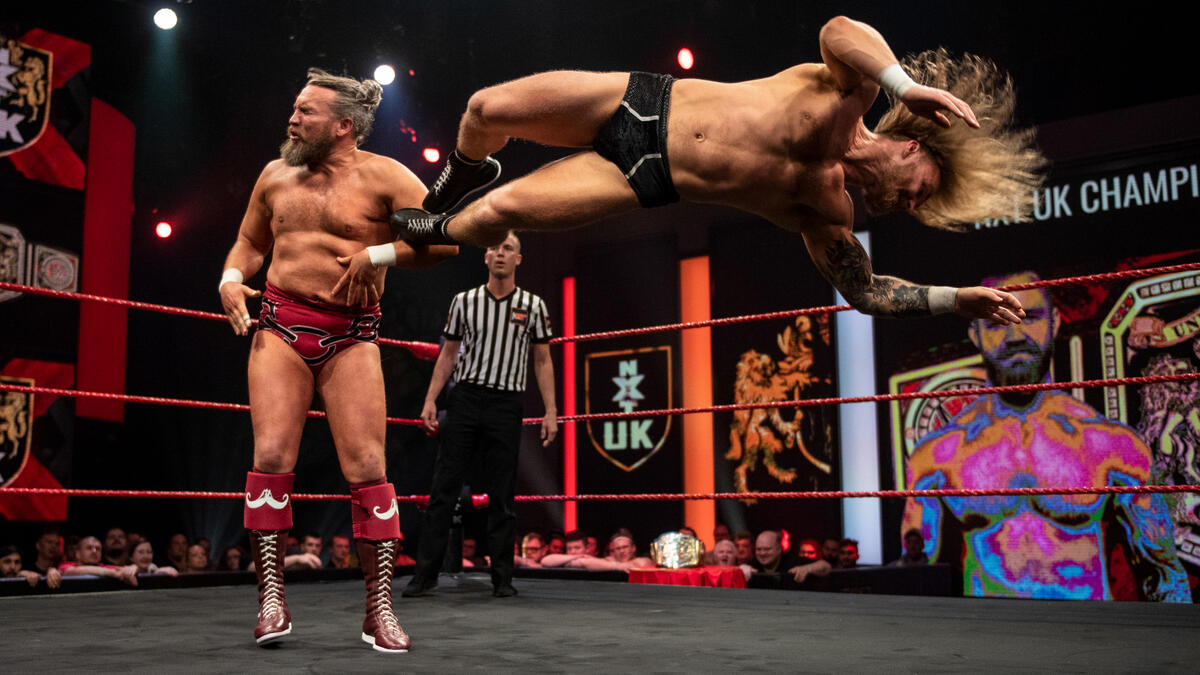
The athleticism on display is 100% real. These athletes put their bodies on the line night after night, jumping off ladders, crashing through tables, and taking hard bumps on the mat. Injuries are a regular part of the job. Legends like Edge, Daniel Bryan, and Stone Cold Steve Austin have had career-threatening injuries. So, while the action is choreographed, the pain is very real.
A big part of WWE’s appeal comes from its storytelling. Like a soap opera mixed with a sporting event, WWE crafts long-term story arcs with heroes (faces) and villains (heels). These stories fuel rivalries, build anticipation for matches, and connect fans emotionally with the characters.
Yes, the drama is scripted. Yes, the dialogue is rehearsed. But it takes tremendous charisma and acting chops to make the audience cheer or boo. Stars like The Rock, John Cena, and Roman Reigns didn't rise to the top just because of their wrestling skills—they mastered the art of captivating an audience.
Storylines like The Undertaker’s 21-0 WrestleMania streak or the betrayal of Seth Rollins to The Shield resonate with fans for years. They're not real in the traditional sense, but the emotions they stir up are genuine.
To truly appreciate WWE, one must look at the dual role these performers play. They are both athletes and entertainers. They spend hours in the gym, keeping themselves in top physical shape. At the same time, they practice promos, memorize scripts, and rehearse moves with their opponents to ensure a smooth performance.
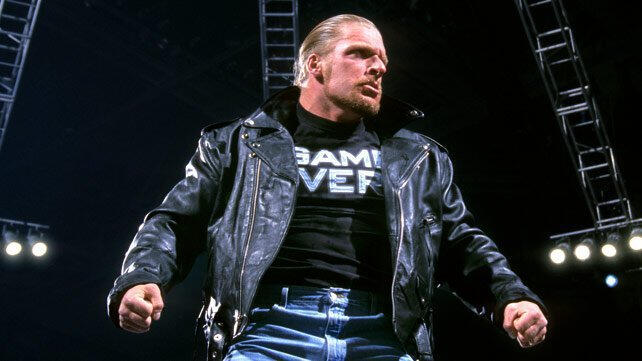
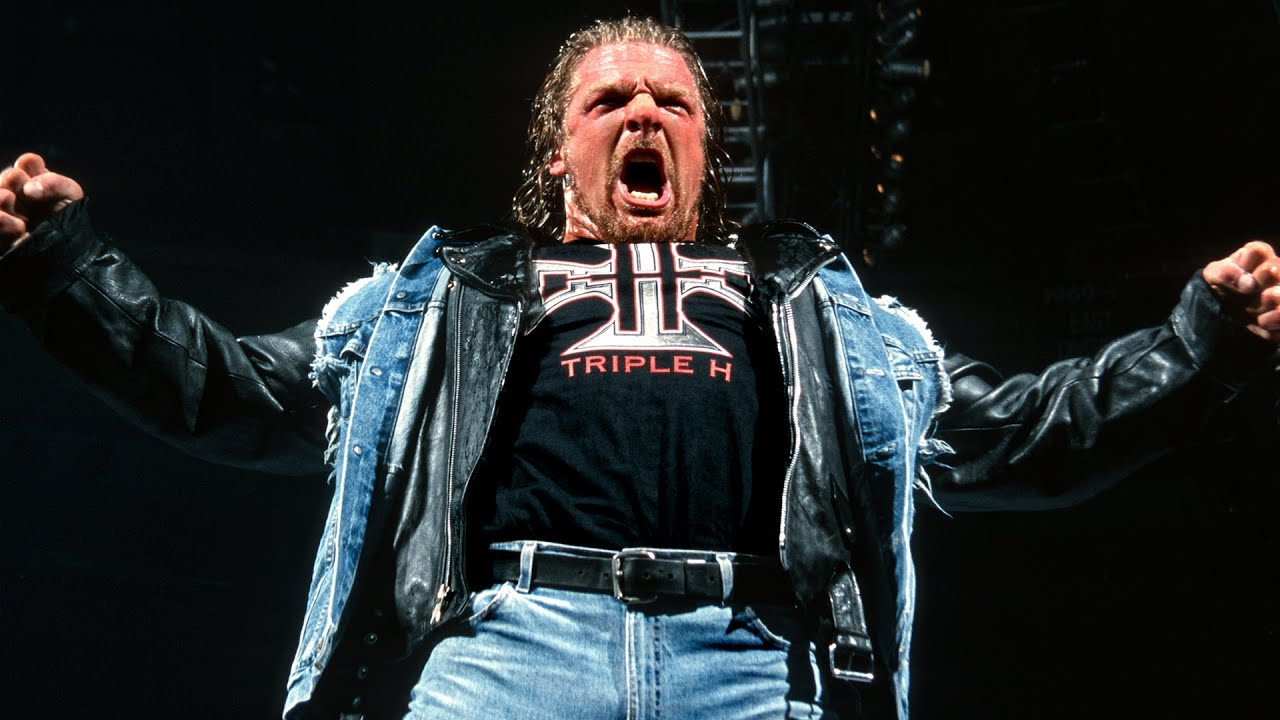
Performers like Triple H are a perfect example of this duality. Not only is he a decorated wrestler, but he's also known for his Triple H Denim Jacket that became symbolic of his rebellious attitude during the "Attitude Era." His character work, physicality, and business acumen have made him one of the most respected figures in wrestling history.
The commitment to the craft is intense. Wrestlers travel more than 300 days a year, often without breaks. It’s a lifestyle that demands physical toughness, mental endurance, and the ability to live in character even when the cameras aren’t rolling.
If you’re diving into the world of wrestling, you’ll quickly come across the term kayfabe. This old-school wrestling jargon refers to the portrayal of events within the industry as real, even when everyone knows it's not.
For decades, wrestlers lived their characters on and off-screen. If you were a villain, you wouldn’t hang out with the hero in public. Kayfabe kept the illusion alive. Today, while social media has blurred those lines, WWE still uses elements of kayfabe to build storylines and promote rivalries.
This commitment to character is what makes WWE unique. Fans suspend disbelief, much like when watching a movie or TV show. We know it’s not “real,” but we enjoy the experience because of the passion and pageantry.
One of the biggest arguments against WWE being “fake” is the number of real injuries that occur. Broken bones, concussions, torn muscles—these aren’t just accidents. They’re occupational hazards. Unlike stunt doubles in films, wrestlers perform their own stunts.
Take Mick Foley for instance, who was thrown off a 16-foot Hell in a Cell structure in 1998. That fall wasn't faked. Or Edge, who had to retire due to severe neck issues, only to make a miraculous return years later. These stories highlight the physical price of performing in the WWE.
Even though outcomes are predetermined, the danger is constant. One wrong move can lead to a serious injury or end a career. So, calling WWE "fake" feels like an insult to the physical commitment these performers make.
While many assume WWE Superstars go out and just “wrestle,” the process behind the scenes is much more complex. A team of writers, producers, and agents work together to script storylines, plan feuds, and decide match finishes. However, top stars often get some creative input.
Vince McMahon, now replaced in major day-to-day operations by the likes of Triple H, was known for his tight control over scripts. Today’s generation of wrestlers have a bit more flexibility, especially in promotions like NXT or AEW. But make no mistake, every segment, every match, every promo is carefully crafted to deliver entertainment.
So, why do millions watch WWE knowing it's scripted? Because it’s fun. It’s thrilling. It’s a mix of theater and sport, and that hybrid creates moments you can't find anywhere else. Whether it's an underdog like Daniel Bryan winning the world title at WrestleMania or The Undertaker rising from a coffin, WWE taps into something primal and universal.
Fans love the pageantry, the passion, the characters, the entrances, the moves, and the drama. It’s not about whether it’s “real.” It’s about whether it’s entertaining—and WWE excels at that.
Calling WWE "fake" is like calling Marvel movies fake. Of course, Spider-Man swinging through New York isn’t real—but it’s entertaining and emotionally compelling. WWE operates in that same realm of scripted realism, where physical performance meets dramatic storytelling.
WWE isn’t trying to fool anyone anymore. It embraces its status as sports entertainment. The superstars are stunt performers, athletes, actors, and entertainers rolled into one. They tell stories with their bodies, voices, and emotions. And for fans around the world, that’s more than enough.
So, is WWE fake? No—it’s a live-action epic, a world where drama meets danger, and reality dances with fiction. And honestly, that’s what makes it so much fun to watch.