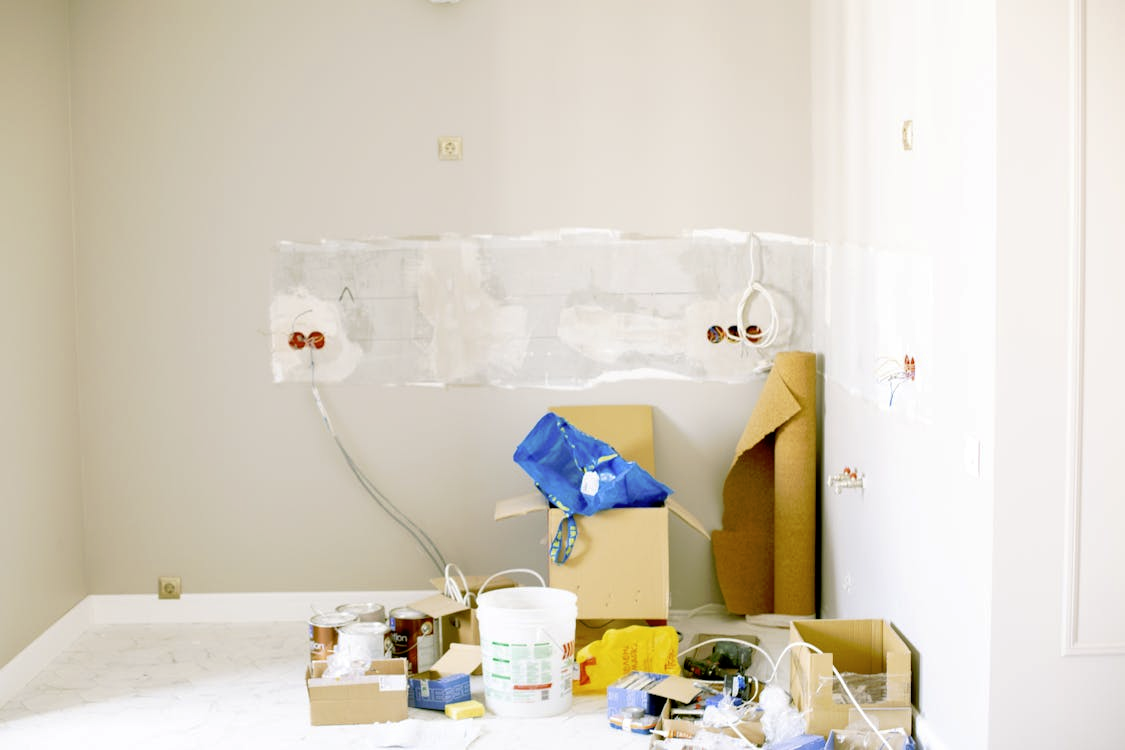
Home improvement projects can be exciting, but they also come with responsibilities. Many upgrades, even simple ones, may require permits to meet local codes and regulations.
Permits are vital as they protect your home’s value, ensure safety, and prevent costly issues down the road. So, what kinds of projects usually require a permit? Here are a few common ones to help you plan your next renovation confidently.
Image Source: Pexels
Building an extra bedroom, home office, or expanding a living area typically requires a permit. Structural changes impact a home's foundation, electrical systems, and load-bearing walls. Permits ensure these alterations comply with safety standards and don’t compromise the integrity of your property.
Your location also matters in this context. For instance, the local building regulations and standards in New Jersey differ from those in other states, with specific codes for insulation, fire safety, and ventilation. Ignoring these requirements could result in fines, project delays, or being forced to undo completed work.
Before beginning any expansion, consult your city or county's permitting office. Submit plans detailing the scope of work to confirm if a permit is required. This small step protects your investment, avoids future headaches, and ensures a smooth renovation process.
Decks and patios might seem like simple outdoor additions, but they often require permits. These structures must meet specific codes for stability, railing height, and load capacity to ensure safety.
For example, adding a deck that’s elevated or attached to your home usually triggers inspection requirements. The rules can vary by location, so it’s crucial to check with your local authority before starting.
Proper permits ensure your project meets safety standards and prevents future legal or insurance complications. Taking this step saves time, money, and hassle in the long run.
Extensive plumbing work, such as installing a new water heater, adding a bathroom, or relocating pipes, often requires a permit. These upgrades can affect water pressure, drainage, and overall system safety.
For instance, improperly installed plumbing may lead to leaks, mold, or even water contamination. Local codes regulate these projects to ensure they meet health and safety standards.
Before starting, consult your city’s building department to verify requirements. Licensed plumbers typically handle permits as part of their services, streamlining the process for you.
Electrical projects, like rewiring, upgrading panels, or adding new circuits, require permits to ensure safety. Faulty electrical work increases the risk of fires, shocks, or power failures, so strict compliance with codes is essential.
For instance, even small tasks like installing outdoor lighting may require approval under local rules. Licensed electricians usually obtain the necessary permits and handle inspections as part of their job.
Kitchens and bathrooms often involve complex upgrades, such as relocating plumbing, updating electrical wiring, or removing walls. These changes typically require permits to meet safety standards and building codes.
For example, installing a new gas line for a stove or reconfiguring sink placement demands inspection to ensure proper connections and venting. So, while renovating kitchens can be financially beneficial, ignoring permit requirements can lead to costly issues during future home inspections or sales.
Replacing a roof or making structural alterations often requires a permit. So while repairing a roof might cost an average of only $1,147, this work must meet local codes for materials, weather resistance, and fire safety, especially in regions with extreme climates.
Structural changes, such as modifying load-bearing walls or repairing foundation damage, also require approval to ensure the home remains safe and stable.
For instance, replacing a roof in hurricane-prone areas may require special materials and additional inspections. Failing to obtain a permit could result in fines or problems with insurance claims.
Adding a fence, shed, or other outdoor structures might seem straightforward, but permits are often required. Rules typically govern height, location, and distance from property lines to prevent disputes and ensure safety.
For example, building a shed over a certain square footage or placing it near utilities usually demands approval. Local regulations vary, so it’s essential to check with your city or county before starting.
Obtaining a permit ensures your project complies with zoning laws and won’t lead to penalties or removal orders. It’s a simple step that protects your property and avoids unnecessary complications.
Permits may feel like a hassle, but they’re essential for safety, compliance, and protecting your investment. Skipping them can lead to costly issues down the road.
Before starting any project, research local requirements and consult your building authority. A little preparation now saves time, money, and stress later.