
Warts can be one of those little annoyances that seem to appear out of nowhere—tiny, rough bumps that not only look unpleasant but also make you self-conscious about your skin. While they’re harmless, the discomfort they cause can push anyone to look for quick and safe ways to remove them. Instead of relying on harsh chemical treatments or expensive dermatology visits, many people are turning to nature for help. Natural oils have been used for centuries to heal, soothe, and restore skin health—and when it comes to warts, they might just be your best natural remedy.
Tea tree oil is often the first natural remedy people try for warts—and for good reason. It’s known for its strong antiviral and antibacterial properties, which can help fight the human papillomavirus (HPV), the root cause of most warts. When applied directly (after dilution), tea tree essential oils for warts penetrate the skin, targeting the infection that keeps the wart alive. Over time, regular use can cause the wart to dry out and fall off naturally.
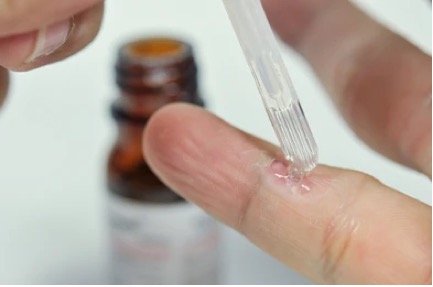
To use it safely, mix a few drops of tea tree oil with a carrier oil such as coconut or olive oil, and dab it gently on the affected area with a cotton swab. This approach minimizes irritation, especially if you have sensitive skin. Consistency is key here—apply it once or twice daily, and within a few weeks, you’ll notice the wart’s texture starting to soften and fade.
Castor oil might not have the strongest scent, but it’s a powerhouse when it comes to healing skin problems naturally. Its thick, sticky texture helps soften rough skin while its natural compounds—especially ricinoleic acid—have strong anti-inflammatory and antimicrobial benefits. This makes it a gentle option for those who can’t tolerate stronger oils.
One of the best ways to use castor oil for warts is to apply it at night before bed. You can massage a small amount directly onto the wart and cover it with a bandage. The oil’s deep moisturizing properties keep the area hydrated, gradually breaking down the wart’s tough outer layers. Over time, it can cause the wart to shrink and eventually disappear without leaving scars.
If you’re looking for a natural oil that packs a strong antiviral punch, oregano oil should be on your list. It’s rich in carvacrol, a compound known for its ability to fight viruses and bacteria effectively. Because of its potency, oregano oil can be a powerful ally in the battle against stubborn warts that refuse to go away with mild treatments.
However, it’s important to be careful with this oil—it’s quite strong and can irritate the skin if used undiluted. Always mix it with a carrier oil, such as coconut or jojoba oil, before applying. A few drops diluted properly and applied once a day can help dry out the wart faster than many other natural options. Within a week or two, you may see the wart begin to darken, shrink, and eventually fall off naturally.
Lemon essential oil offers a refreshing scent and a gentle yet effective approach to wart care. Packed with limonene and vitamin C, lemon oil naturally brightens the skin and helps dissolve dead cells. When applied to warts, it can gradually break down the hardened tissue while promoting the growth of new, healthy skin underneath.
To use lemon oil safely, dilute it with a carrier oil and apply it once daily. Its light texture makes it easy to absorb, and over time, it helps the skin regain its natural tone and smoothness. Another bonus? Lemon oil helps fade dark spots that may be left behind after the wart is gone, giving your skin an even appearance.
Coconut oil is one of those all-purpose natural remedies that seems to do everything—from moisturizing dry lips to healing small wounds. When it comes to warts, it works in two powerful ways: it softens the rough texture of the wart and supports the skin’s natural repair process. Its antiviral properties also help stop the spread of HPV, making it a great daily-use oil for prevention and healing.
The easiest method is to apply a small amount of organic virgin coconut oil directly onto the wart two to three times a day. You can leave it uncovered or cover it with a clean bandage for deeper absorption. Over time, it will reduce inflammation, ease discomfort, and promote healthy new skin.
Each of these oils offers its own unique healing touch, and the best choice often depends on your skin type and the wart’s stubbornness. Tea tree and oregano oils are more intense, while castor and coconut oils bring a softer, soothing effect. Lemon oil provides a refreshing in-between option for those who want gentle exfoliation along with skin renewal.
By staying consistent with your oil routine and caring for your skin daily, you’ll not only get rid of warts but also maintain smoother, healthier skin for the long size.







