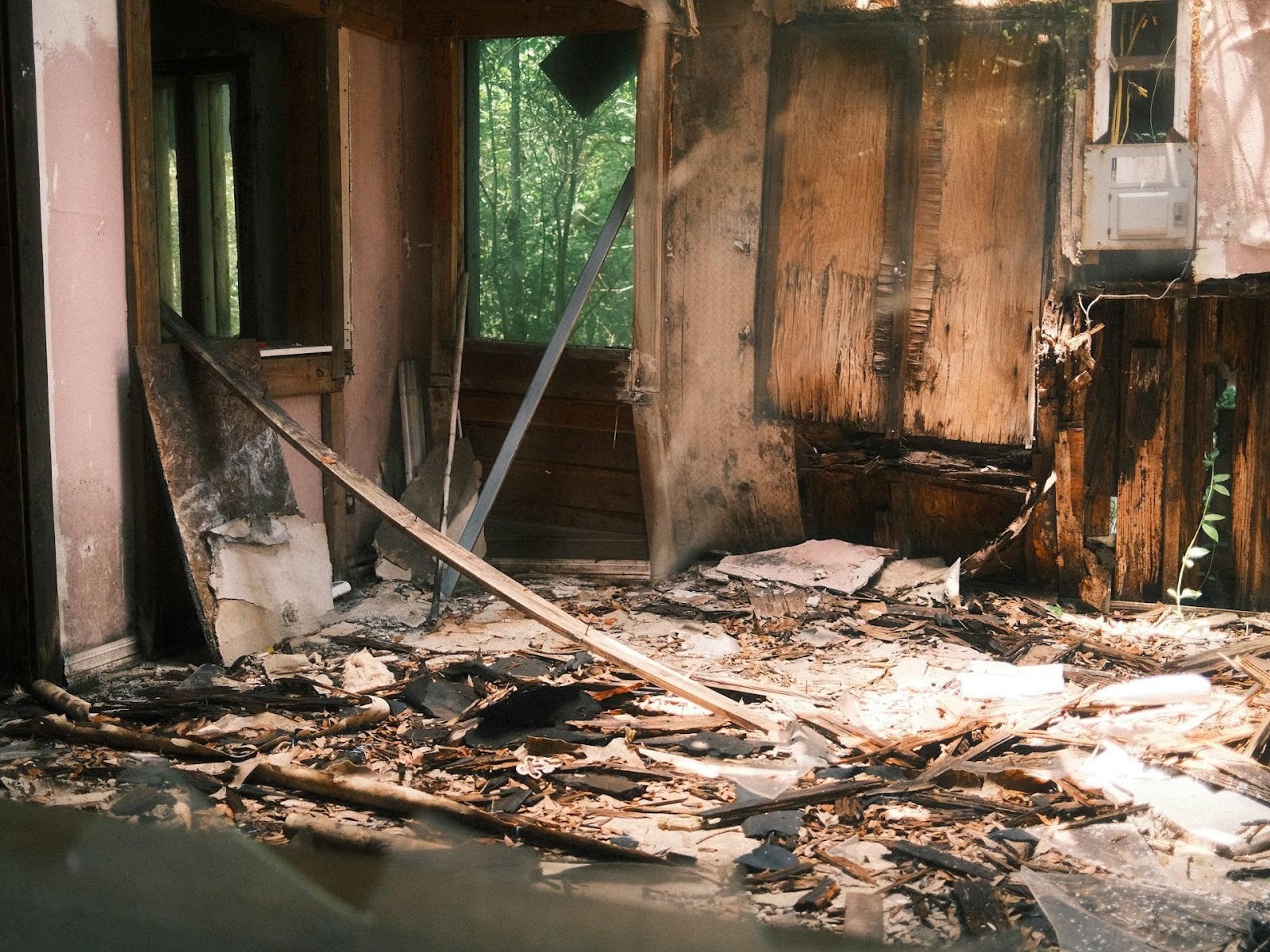
Source: Unsplash
When disaster strikes, whether it’s a burst pipe, flooding, or fire damage, the last thing you want to deal with is a complicated insurance claim process. Fortunately, if you’ve hired a professional fire and water damage restoration company, you’re not in it alone. In fact, one of the biggest benefits of working with experienced restoration experts is that they often handle the insurance coordination for you.
So how exactly does it all work?
In this blog, we’ll break down the step-by-step process of how restoration companies work with your insurance provider, making recovery faster, smoother, and less stressful during an already overwhelming time.
The process begins the moment you contact a fire and water damage restoration company after an incident. Reputable companies offer 24/7 emergency response to quickly assess the situation, stop further damage, and start mitigation. During this visit, the team will:
This initial documentation is critical for your insurance claim. It provides proof of the extent and source of damage, which can impact coverage eligibility.
Before diving into restoration, most companies will ask you about your homeowner’s insurance policy. This helps them determine:
Some fire and water damage events are covered under standard policies (like sudden pipe bursts), while others (like groundwater intrusion or mold) might fall under optional endorsements.
Restoration professionals can’t give legal advice, but they’re trained to interpret policy language and help you understand your coverage options.
Once initial damage is documented, you (or the restoration company, with your permission) will contact your insurance provider to open a claim. This includes:
Many restoration companies act as a liaison at this stage, communicating directly with your insurance adjuster to ensure all paperwork, estimates, and photos are submitted promptly. This is especially helpful for homeowners unfamiliar with the claims process or overwhelmed by technical jargon.
After mitigation is complete (drying, cleanup, debris removal), the restoration team prepares a line-by-line estimate of repair costs. This includes:
Most companies use industry-standard estimating software (like Xactimate), which insurance companies also use. This ensures your claim is aligned with expected pricing, reducing back-and-forth disputes or delays.
Once the insurance adjuster reviews the estimate, they will either approve it as-is or negotiate adjustments based on coverage. During this phase:
Some companies also help you with upgrade options. For example, if insurance only covers standard flooring but you wish to upgrade, you can pay the difference out of pocket.
With approvals in place, the restoration phase starts. This may involve:
Throughout the process, the fire and water damage restoration company keeps in touch with your insurer, providing progress updates and any change orders if additional damage is uncovered.
Once the restoration is complete:
At this point, your home is back to pre-loss condition, and often, in even better shape than before.
Disasters are unpredictable, but the recovery process doesn’t have to be. A trusted fire and water damage restoration company can do more than restore your property; they can be your advocate, your guide, and your support system during one of the most difficult times in homeownership.
If you’re facing water damage, don’t go it alone. Work with a team that understands both the craft of restoration and the complexities of insurance, because peace of mind is part of the recovery, too. Contact us now to get immediate assistance and expert guidance.