
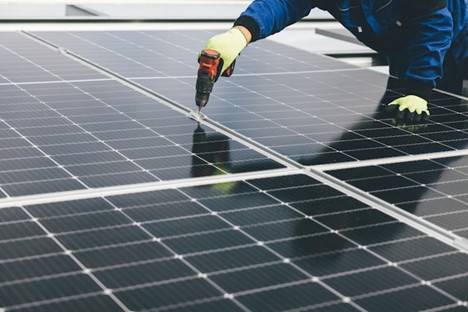
Managing a property is often seen as a straightforward investment. Yet, behind the scenes, successful ownership depends on something far less glamorous. Maintenance is the ongoing effort that ensures buildings remain safe, attractive, and functional. Whether it’s tightening a loose fixture, sealing cracks in the foundation, scheduling seasonal inspections, or solar panel cleaning, these tedious tasks keep small issues from growing into expensive repairs.
From residential homes to commercial buildings, property maintenance is an essential discipline that preserves value and promotes sustainability. Over time, natural wear, environmental exposure, and human activity take their toll on structures. Regular upkeep is the only way to ensure that these effects are managed rather than allowed to accumulate into costly damage. Property owners who treat maintenance as a proactive strategy rather than a reactive burden find themselves with more efficient buildings, happier tenants, and stronger resale value.
It’s tempting to postpone building upkeep in the name of saving money, but deferred maintenance is a silent drain on any property’s long-term value. A roof leak left unchecked can lead to mold, electrical damage, or structural rot. A neglected HVAC system not only underperforms but also drives up energy costs and reduces indoor air quality. Similarly, overlooking the upkeep of solar panels can diminish their efficiency and lifespan, quietly cutting into the long-term savings they’re meant to deliver. The expense of repairs and replacements down the road far outweighs the relatively modest cost of preventive maintenance today. Beyond financial savings, routine maintenance also minimizes downtime in commercial settings, prevents safety incidents, and protects property owners from liability claims.
Creating a well-structured maintenance plan begins with organization. Property owners should maintain detailed records of all systems, warranties, and service histories. A thorough inventory of the building’s components, such as roofing, plumbing, electrical systems, HVAC units, exterior materials, and landscaping, helps identify which areas require regular inspection and oversight.
Preventive maintenance schedules should align with the changing seasons. For instance:
Spring: Check gutters and drainage systems for debris, inspect for water damage from winter snow or ice, and service air conditioning systems.
Summer: Focus on landscaping, pest control, and inspecting exterior paint or siding for wear. Check solar panels for cracks, signs of wear and efficiency issues.
Fall: Clean gutters again before leaf buildup causes clogs, test heating systems, and inspect insulation.
Winter: Monitor for ice dams, ensure pipes are insulated, and check for drafts around doors and windows.
Property managers often adopt digital maintenance tracking tools or apps that automate reminders, track costs, and store inspection data. This not only streamlines operations but also builds a paper trail of care that can enhance resale credibility or insurance claims.
The evolution of property management now includes sustainability as a major component. Energy efficiency upgrades like smart thermostats, LED lighting, or improved insulation can dramatically reduce operating costs while minimizing environmental impact. Maintaining these systems ensures they continue to perform at peak efficiency.
Water conservation also plays a growing role in modern property care. Regularly inspecting irrigation systems, checking for leaks, and installing low-flow fixtures can save thousands of gallons of water annually. Meanwhile, eco-friendly landscaping practices, such as native plantings or xeriscaping, reduce long-term maintenance demands and lower utility bills.
Recycling old building materials, using low-VOC paints, and sourcing sustainable products contribute to a property’s environmental footprint. These actions appeal not only to eco-conscious tenants but also to investors seeking properties with lasting, socially responsible value.
Smart building systems now allow building managers to monitor energy use, water flow, and indoor air quality remotely. Sensors can alert staff when a unit malfunctions or when temperatures drop to freezing levels, preventing damage before it occurs.
Property management software has made it easier to schedule, record, and prioritize maintenance requests. Tenants can submit issues directly through mobile apps, ensuring nothing falls through the cracks. Even drones are being used for roof inspections, saving time and reducing risk for maintenance personnel.
Predictive maintenance is another rising trend. By analyzing data from sensors and service logs, predictive algorithms can forecast when a piece of equipment is likely to fail. This allows property owners to schedule repairs before breakdowns happen, avoiding costly downtime and emergency service calls.
While the core principles of maintenance remain the same, commercial and residential properties present distinct challenges.
Residential maintenance focuses on comfort, aesthetics, and safety. Homeowners prioritize tasks like lawn care, weatherproofing, and interior cleanliness. Tenant satisfaction is crucial in multi-unit properties, so quick responses to repair requests are essential. Regular inspections help prevent tenant damage from becoming long-term property issues.
Commercial maintenance, on the other hand, demands scalability and compliance. Office buildings, retail centers, and industrial sites must adhere to more complex mechanical systems, stricter safety standards, and often, higher traffic volume. Professional teams in commercial settings also coordinate with multiple contractors, service providers, and inspectors, making planning and documentation vital to ensure continuity and compliance.
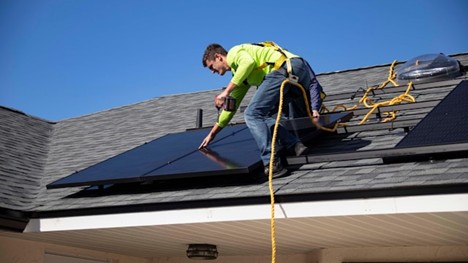
Reliable maintenance demonstrates professionalism, responsibility, and pride of ownership. For landlords, it signals to tenants that their well-being matters. For businesses, it reassures employees and customers that safety and comfort are priorities.
Property managers who communicate transparently about repair schedules and respond promptly to requests build stronger trust. This can lead to higher tenant retention rates, better online reviews, and a stronger reputation in the community.
Property management is not just about fixing what’s broken, it’s a form of investment management. Every property is a dynamic asset that appreciates only when its condition is protected and improved. Preventive maintenance extends the lifespan of major systems, protects structural integrity, and supports insurance compliance.
Many investors underestimate how much deferred maintenance can affect property value. When buyers evaluate a property, they often calculate the cost of upcoming repairs. A well-maintained property commands a higher asking price and faces fewer negotiation pressures. It’s the difference between showcasing a turn-key opportunity and an expensive fixer-upper.
Looking ahead, property maintenance will continue to blend traditional craftsmanship with digital intelligence. Artificial intelligence, automation, and building management systems will play increasing roles in how maintenance is performed, monitored, and scheduled.
We’re moving toward fully integrated maintenance ecosystems where sensors, predictive analytics, and real-time communication between systems ensure that every part of a building works in harmony. These technologies won’t replace human expertise; instead, they’ll enhance it by eliminating guesswork and empowering maintenance teams to focus on higher-level priorities.
From the smallest residential structure to the largest commercial complex, maintenance is not a cost, it’s a form of stewardship. It’s about ensuring that every system, surface, and space remains functional, efficient, and safe for years to come. Property owners who understand this truth aren’t just preserving assets; they’re building legacies of care and reliability that will endure long after the paint dries and the tools are put away.







