
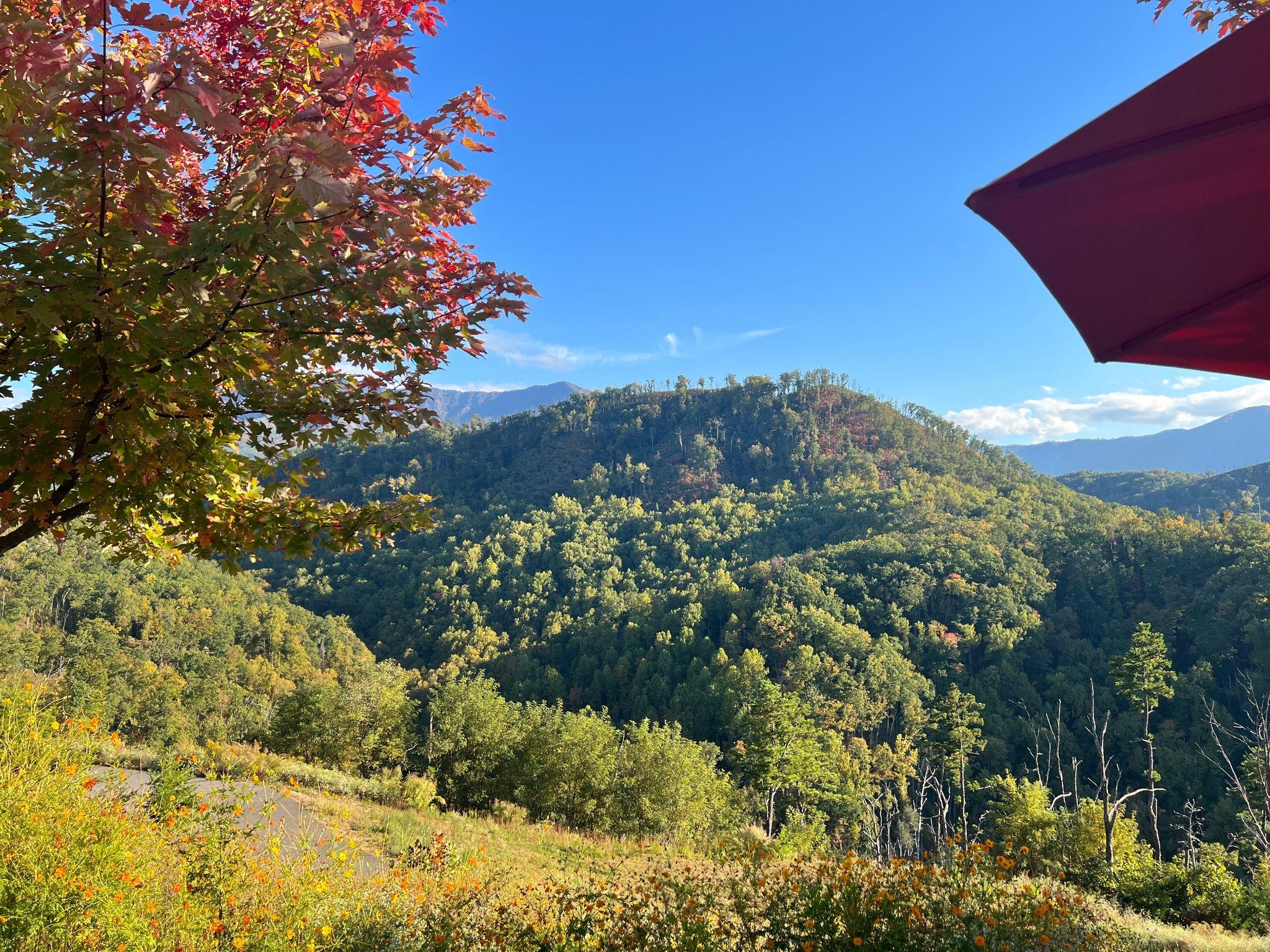
Ever come back from a vacation feeling like you need another one? You’re not alone. Travelers today swing between hyper-organized schedules that leave no room to breathe and chaotic “wing it” trips that quickly unravel. With rising costs, unpredictable weather, and “revenge travel” crowding airports and landmarks, burnout comes easy. Social media hasn’t helped either—it’s turned travel into a performance, where every stop must be photogenic and every meal post-worthy. The result? Exhaustion disguised as adventure.
So how do you plan a trip that keeps structure without smothering curiosity—especially in places like Gatlinburg, where tourist attractions and wilderness sit side by side? In this blog, we will share how to create an itinerary that brings balance, flexibility, and sanity back to your travels.
Where You Stay Shapes Everything
One of the easiest ways to build more flexibility into your itinerary is to base yourself somewhere that puts you near both nature and essentials. If you're exploring East Tennessee, for example, it helps to stay close to the outdoors and the action. That’s where the right campground makes a difference.
People looking at campgrounds in the Smoky Mountains need more than a patch of dirt. They need a place with access to real experiences, not just scenery. The best option? Greenbrier Campground. Located right by the Little Pigeon River, it offers easy access to the Greenbrier entrance of the Great Smoky Mountains National Park, plus it's just a short drive from hiking trails, fishing spots, and family attractions. It’s a base that lets you pivot—hit Dollywood if the weather turns, or chill by the river if plans change. That’s how flexibility starts: with location.
The Trick to Planning Without Overplanning
Here’s a simple rule. Build your itinerary around time blocks, not tight schedules. Instead of saying “Hike the Grotto Falls Trail from 8:30 to 10:30, then eat lunch at 11:00,” try this: “Morning hike, lunch after.” Leave yourself a window. Give activities space to breathe. You’re not a tour guide. You’re a traveler.
Use one fixed activity per day as your anchor. Let the rest be optional. Want to visit a museum or take a scenic drive? Great. Just don’t stack three must-do things on top of each other. That’s how stress builds. You spend the whole time watching the clock instead of what’s in front of you.
Leave Space for the Accidental Magic
There’s a reason the best trip stories usually start with “We didn’t plan this, but…” Those are the moments that stick. The unplanned meal at a mom-and-pop diner. The trail you only tried because the main one was closed. The conversation with a stranger that turns into a memory.
Building those in doesn’t mean doing nothing. It means doing less on purpose. Leave one afternoon open. Walk a block past where your map ends. Say yes to something just because it looks fun. That’s what people are chasing when they say they want to “feel alive.” Not tighter scheduling.
It’s Not About the Checklist
Travel shouldn’t feel like work. And yet, so many people treat it like a productivity contest. “We did this, and this, and this…” Great. But did you like it? Did you remember how the air smelled on that trail? Did you let yourself enjoy that meal, or were you rushing to the next thing?
A flexible itinerary is a quiet rebellion against that mindset. It lets you say: I don’t need to do everything. I just want to do enough to feel connected, present, and curious.
That’s the difference between checking boxes and building a memory.
And that’s how you travel in a way that feeds you, instead of draining you.







