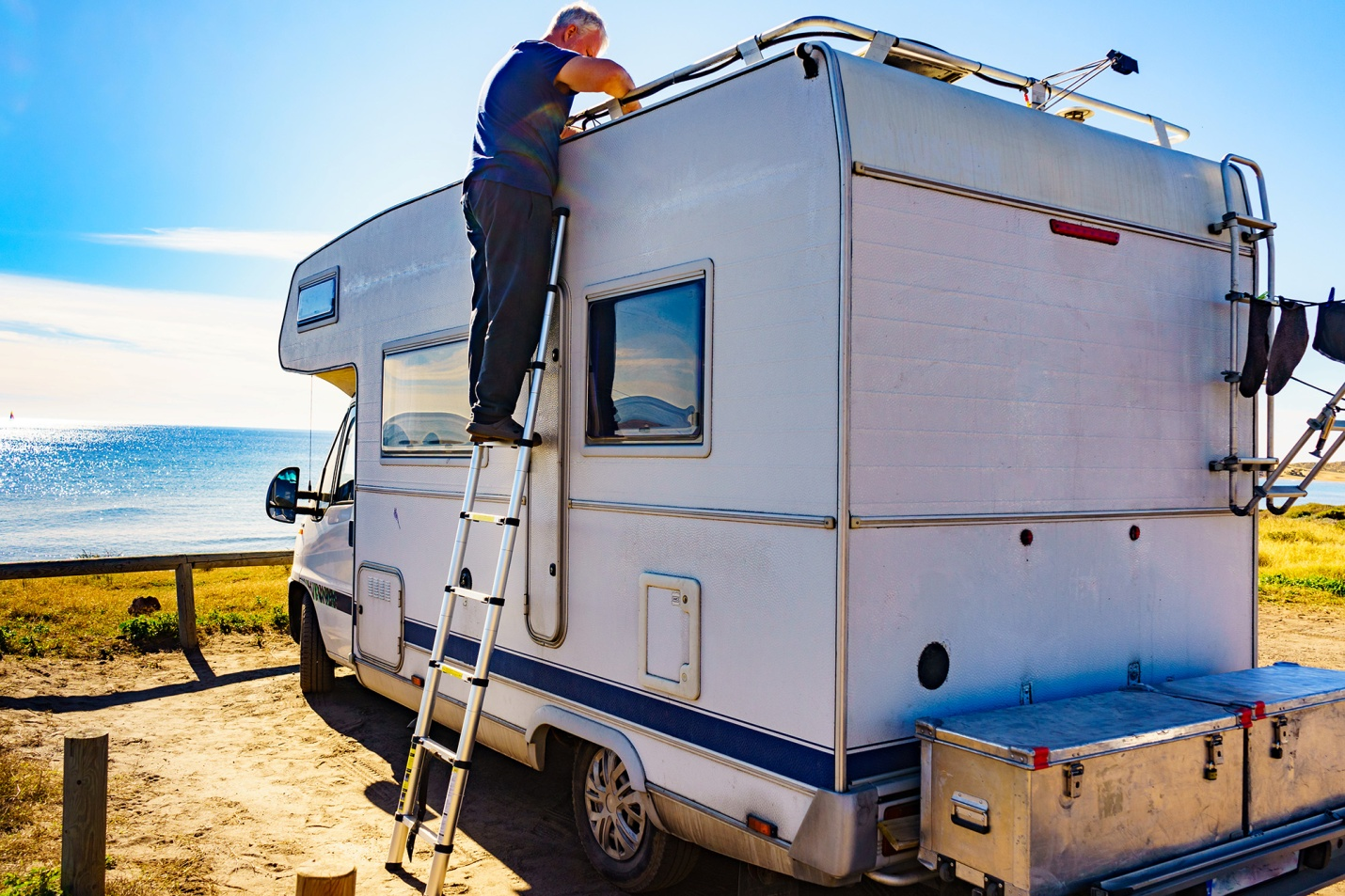
Christmas season is almost here and planning a trip away from home is exactly what we all need after a year full of hustle and hard work. When it comes to planning a trip with our RV, of the first things to keep in mind is a full inspection of our vehicle. We have to make sure it can handle the milage we need to get to our destination and then take us back. Inspections don’t necessarily mean repairs, but they are chances for you to fix minor things to avoid major repairs if you find any. There are a few things you can detect by yourself that would signal your RV needs repair. This exactly what we described in this post. Let’s get into it.
1. Strange Noises or Vibrations
Any kind of noise is a signal. Listen to your RV very carefully when you are on the road, or at home. Grinding, squealing, knocking noises are a red flag. Even if you feel vibrations that you might think are stronger than usual, especially if they come from areas like the engine or axles should be investigated asap. All of them could be symptoms of brakes problems, suspension or even engine components that could get you into big troubles on your trip. Don’t ignore them even if your RV drives fine.
2. Warning Lights on the Dashboard
This step is a more obvious part of your investigation. Modern RVs are equipped with modern sensors that could give you clear ideas when something is wrong. Check your dashboard and make sure that every light on it is addressed accordingly. The check engine light, ABS, oil pressure or battery warning are the most important. Do not ignore them under any circumstances. Take your vehicle to a truck repair shop as soon as possible before you depart. Issues related to these lights on your dashboard are related to important issues in your TV.
If you are a little more knowledgeable in this area, having a code reader could help you diagnose the issues a little farther, you just to plug it in and it will show you what’s wrong or what are the error codes so you can call your shops around and ask for more information in it.
3. Fluid Leaks or Low Levels
If you passed the previous 2 steps from above, the next one is the fluid leaks or low level of some fluids. Inspect the fluids. In some cases, we can see some dropping water from the AC, but you have to make sure that isn’t other stuff like coolant or brake fluid, or even transmission fluid or oil. These issues can also lead to expensive repairs along the way. Even if your fluids are ok, take some extra fluids just in case, for good precautions.
4. Tire Wear or Damage
Your tires can be dangerous too. Worn or damaged tires are a big NO NO! Uneven treat wear, cracks, or bulges in the sidewalls should be addressed asap before you depart. These issues are bigger than most people think, and they increase the risk of blowouts. You need to do everything possible and needed to keep your family safe on the road.
5. Electrical or Appliance Malfunctions
You should keep in mind that your RV is not just a vehicle, it’s your home on wheels. And like in every home, any electrical issue is a safety risk. If your lights flicker, outlets fail, or appliances are not functioning correctly, it means there’s something wrong with your electrical system. You should know that problems with the battery, converter or wiring will escalate quickly into bigger issues and will leave you without power during your trip. Do not ignore them. Test all electrical systems in your RV. The best thing to do in this case is to go to a local truck or RV repair shop so a professional can take a look at these issues for you.
Final Thoughts Before Your Trip
In the end, what we want you to understand is that every unusual small noise or vibration is a sign of something going wrong in your RV. Keep your eyes and eyers open when you inspect your vehicle. The best thing you can do in this situation is to go to a local repair shop.
The importance of regular maintenance cannot be overstated. The absence of these maintenance check signs dramatically increases the chance of objects breaking down during a trip. The cost of avoidable repairs can be incredibly disheartening. However, the smooth, safe, and enjoyable journey that follows such maintenance is an adventure worth taking.