
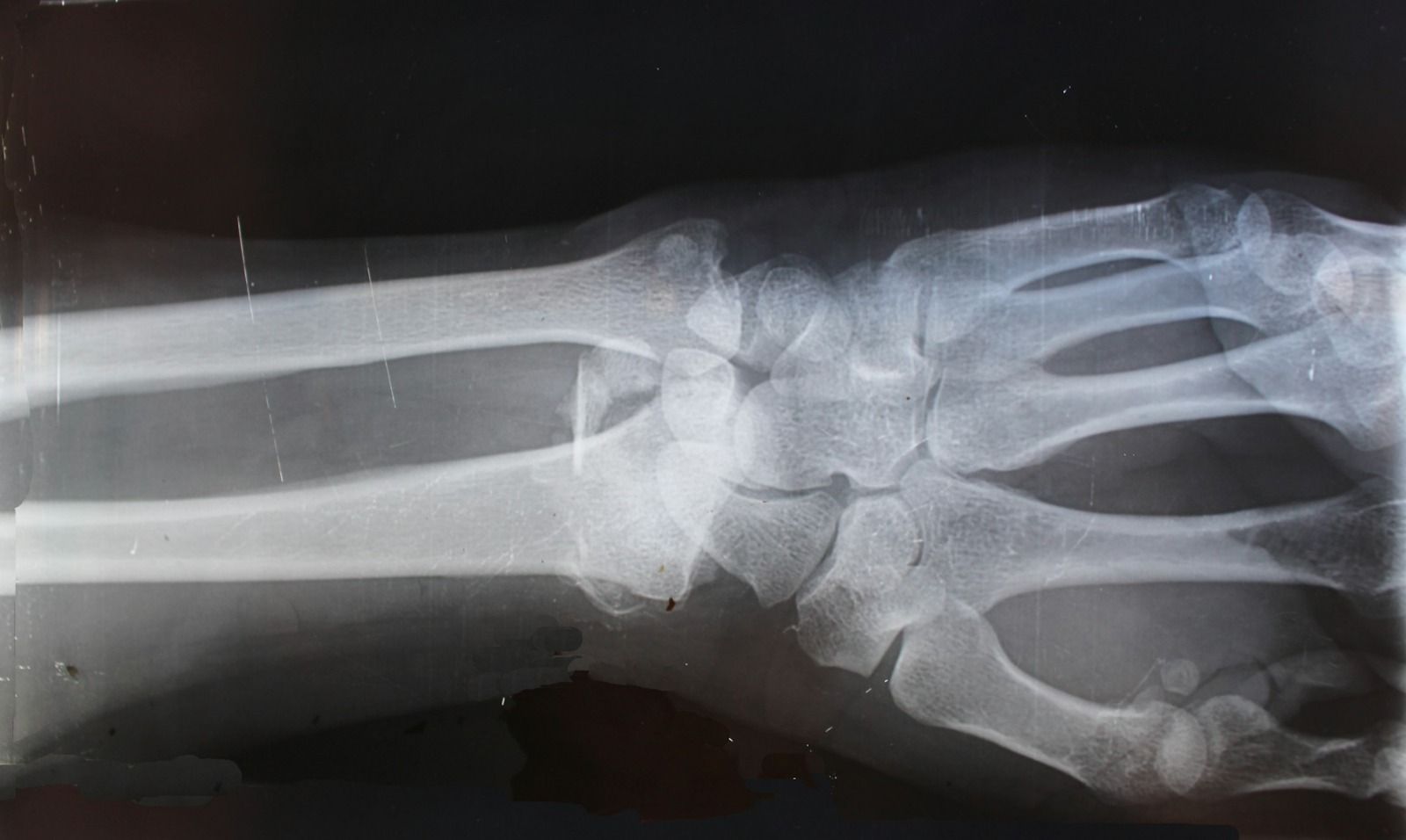
Accidents can happen in an instant, but their consequences can last a lifetime. Whether it’s a distracted driver running a red light or a property owner ignoring a safety hazard, victims of negligence are often left with physical pain, emotional distress, and mounting expenses. Fortunately, the law provides a way to hold wrongdoers accountable through personal injury claims. Yet, success doesn’t come from emotion—it comes from evidence.
To win a case, you must prove negligence, and that means meeting four very specific legal requirements. Each one acts like a building block of justice—if one is missing, the case crumbles. With the experience of Garvin Injury Law, victims can establish every element clearly and effectively, ensuring the responsible party is held accountable for the harm they’ve caused.
Negligence is a legal term, but at its core, it’s about carelessness that causes harm. It doesn’t require bad intentions—just a failure to act as a reasonable person would under the same circumstances. When someone ignores safety rules, drives recklessly, or fails to fix a known danger, they create a chain reaction that can change another person’s life forever.
In a courtroom, the focus shifts from why something happened to how it could have been prevented. The victim’s attorney must show that the defendant’s behavior deviated from what a reasonably cautious person would have done. That’s the foundation for proving negligence—and it begins with establishing a duty of care.
The first step in any personal injury case is proving that the defendant owed a duty of care to the victim. This duty varies depending on the relationship and situation. Drivers have a duty to follow traffic laws and watch for pedestrians. Doctors have a duty to provide competent medical care. Property owners have a duty to keep their premises safe for visitors.
The concept is simple but powerful: everyone must take reasonable steps to avoid harming others. Proving duty establishes that the defendant had a legal and moral obligation to act safely—and that their failure to do so set the stage for tragedy.
Once a duty of care is established, the next question is whether it was breached. Did the person act carelessly, recklessly, or irresponsibly? This breach can happen through action or inaction. Running a stop sign, failing to clean up a spill, or neglecting to repair faulty wiring all represent clear violations of expected behavior.
Evidence is key here. Attorneys gather photos, videos, witness statements, and expert opinions to show what a reasonable person would have done differently. For instance, skid marks might prove a driver was speeding, or maintenance records might show a landlord ignored repeated safety complaints. Breach of duty transforms an accident from an unfortunate event into a matter of legal fault.
Proving that someone was careless isn’t enough—you must also show that their carelessness caused the injury. In legal terms, this is called “causation,” and it’s often where cases become most complex.
There are two key components:
For example, if a driver runs a red light and hits another vehicle, the connection is clear. But if another unpredictable event intervenes—like a sudden storm or a third driver’s reckless action—it can complicate the causal chain. Lawyers use medical records, expert testimony, and accident reconstruction to connect every link, leaving no room for doubt about what truly caused the injury.
The final element of negligence is proving that the victim suffered real harm. Without damages—whether physical, emotional, or financial—there’s no legal basis for a claim. These damages go far beyond visible injuries. They reflect how the incident has disrupted a person’s life, livelihood, and future.
Types of damages often include:
Attorneys meticulously document every loss, consulting with medical professionals and financial experts to ensure victims receive fair compensation—not just for what’s already been lost, but for what lies ahead.
Even when the facts seem clear, proving negligence can be a battle. Defendants often deny responsibility, and insurance companies look for ways to minimize payouts. They might argue that the victim was partially at fault or that the injuries aren’t as severe as claimed.
In these moments, experience matters. An attorney’s ability to anticipate defenses, uncover hidden evidence, and present a compelling narrative often determines the outcome. Each element of negligence—duty, breach, causation, and damages—must fit together seamlessly to form an unbreakable case.
Personal injury law isn’t just about paperwork and evidence—it’s about people. Behind every claim is someone whose life has been disrupted by another’s negligence. A seasoned attorney doesn’t just represent victims; they become their advocate, storyteller, and shield.
A skilled legal team investigates every angle of the case, negotiates with insurers, and ensures deadlines are met. They bring clarity to chaos, transforming complicated legal concepts into a compelling case for justice. With the right representation, victims can focus on healing while their attorney fights tirelessly to restore what was taken from them.
Negligence may begin with carelessness, but proving it demands precision. Each of the four elements—duty, breach, causation, and damages—serves as a stepping stone toward accountability. When proven together, they form the foundation for justice, closure, and recovery.
A personal injury case isn’t just about financial compensation—it’s about reclaiming control after someone else’s reckless actions took it away. With persistence, evidence, and the right legal advocate, victims can turn hardship into hope and ensure that those responsible are held accountable for their actions.







