
Can everyday food really boost sexual desire — or is it just a placebo effect?
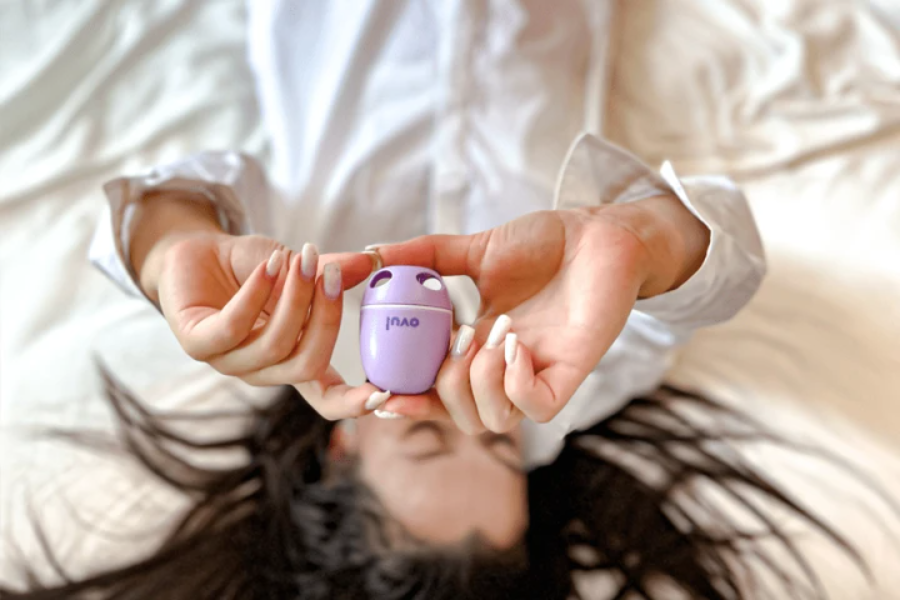
In 2025, the interest in natural aphrodisiacs is stronger than ever. Modern research focuses on how nutrition affects hormone balance, energy, and emotional connection. What used to be considered folklore can now be tracked with data — for example, by observing estrogen fluctuations through a saliva test for ovulation.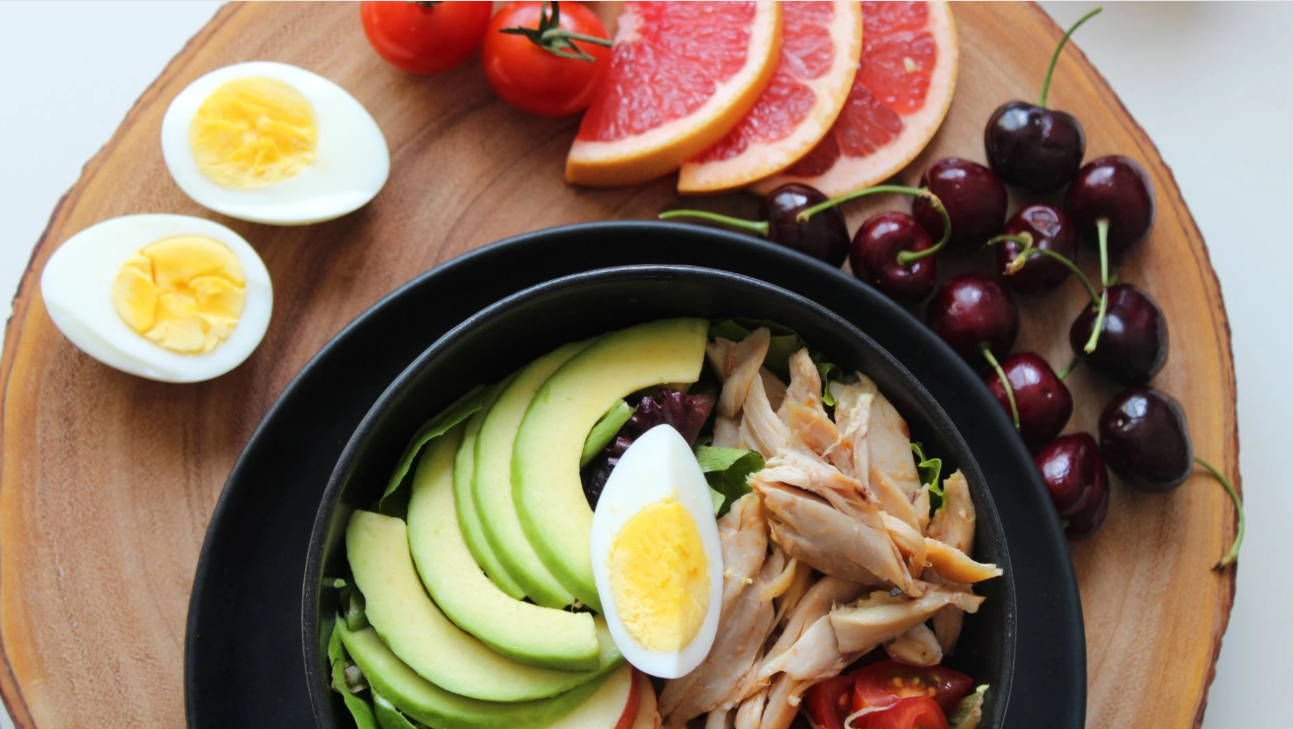
The term “aphrodisiac” comes from Aphrodite, the ancient Greek goddess of love.
For thousands of years, people have believed that certain herbs, spices, and foods could enhance mood, increase vitality, and awaken desire.
Today, science confirms that aphrodisiacs contain active compounds that can:
The response, however, is highly individual: what sparks passion in one person might have little effect on another.
A low sex drive is often linked to lifestyle factors — stress, fatigue, nutrient deficiencies, poor sleep, smoking, and alcohol. These all disrupt hormonal balance.
A balanced diet helps restore the body’s natural rhythm. Foods rich in zinc, magnesium, selenium, vitamin E, and omega-3 fatty acids play a key role in healthy hormone production and vascular function.
Examples:
By combining a hormone-supportive diet with modern tools like a digital ovulation tracker, it’s now possible to see how specific foods interact with your hormonal cycle and affect libido naturally.
Female libido is often influenced by emotional well-being and stress levels. These foods help the body relax, restore hormonal harmony, and boost energy:
1. Sage – supports estrogen regulation and reduces mood swings;
2. Vanilla – its aroma activates pleasure centers in the brain and eases tension;
3. Dark chocolate (≥ 70 % cacao) – boosts serotonin, improving sensitivity and mood;
4. Dates – rich in tryptophan and B-vitamins, lifting energy and happiness;
5. Asparagus – a source of folate and vitamin B6 that support estrogen metabolism;
6. Celery and parsley – contain apiole, a compound similar to natural estrogen;
7. Wheat sprouts – high in vitamin E, known as the “fertility vitamin.”
Men benefit most from foods that support testosterone synthesis, vascular health, and endurance:
1. Seafood – oysters, mussels, and shrimp provide zinc and protein essential for sperm quality and sexual performance.
2. Nuts and pistachios – a great source of arginine and magnesium for improved blood flow.
3. Pumpkin seeds – rich in vitamin E and healthy fats that protect prostate function.
4. Ginger root – stimulates circulation and strengthens the immune system.
5. Cardamom – contains cineole and antioxidants that enhance arousal and vitality.
6. Maca root – the “Peruvian ginseng,” used to increase stamina and libido.
7. Dark chocolate – elevates dopamine and serotonin, recreating the chemistry of attraction.
The effect isn’t instant. Natural aphrodisiacs build up gradually, saturating the body with micronutrients and improving blood circulation and hormonal balance over time.
They also reduce cortisol — the stress hormone — which helps restore emotional comfort and sensitivity.
For centuries, people could only guess whether an aphrodisiac was truly effective. Today, technology allows us to measure it.
With a saliva test for ovulation, you can monitor hormonal changes at home — safely and non-invasively, without blood tests.
Combining a nutrient-dense diet with digital hormone tracking enables you to:
In other words, ancient passion meets modern precision.
Are aphrodisiacs a medicine?
No. They don’t replace medical therapy but can naturally support reproductive and hormonal health.
How long does it take to see results?
Usually 2–4 weeks of regular use. Effects accumulate gradually.
Can aphrodisiac foods fit into a diet plan?
Absolutely. Most — seafood, nuts, greens, spices — are easy to include in balanced or low-calorie diets.
Any side effects?
Overconsumption may cause allergies or digestive discomfort, especially in people with chronic conditions.







