When you flip a switch, you expect the lights to turn on instantly. Yet, behind this simple action lies a vast network of power transmission distribution systems responsible for delivering electricity reliably to millions worldwide. Today, these systems are under increasing pressure: aging infrastructure, rising demand, and the challenge of integrating renewable energy sources are reshaping how electricity flows.
Smart grids have emerged as the solution—flexible, efficient, and intelligent. But smart grids cannot exist without modernized transmission and distribution (T&D). In fact, T&D forms the backbone that enables the digital, data-driven capabilities of future energy networks. Understanding this connection is essential to seeing how the power sector is evolving.
Power transmission distribution form the backbone of modern electricity delivery, linking power generation with the homes, businesses, and industries that depend on it. Together, transmission and distribution systems ensure electricity flows efficiently across vast distances and reliably reaches end-users.
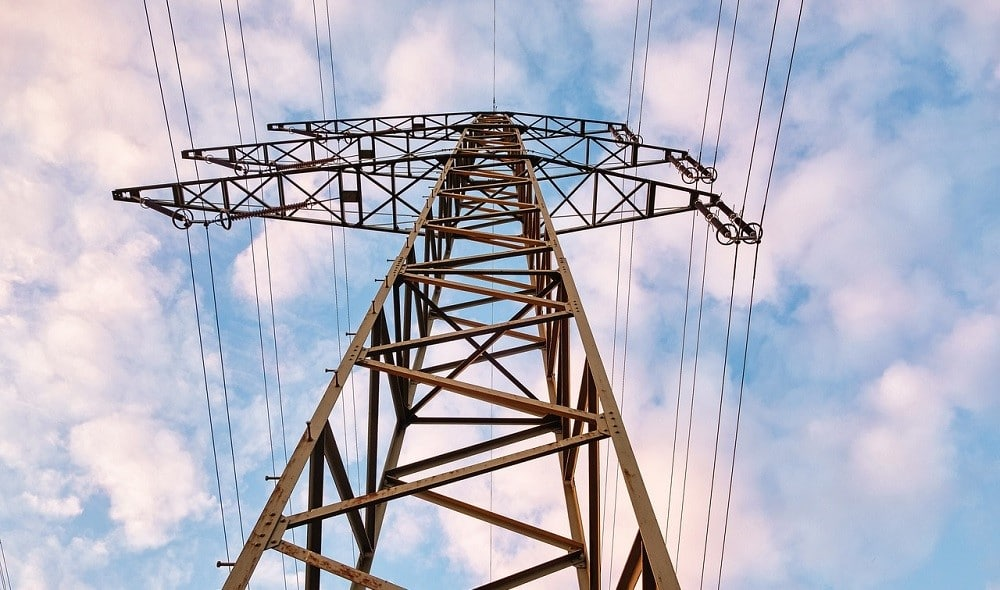
High-voltage transmission lines carry electricity across long distances, ensuring that power plants can serve entire regions. Their efficiency and reliability directly influence energy costs, grid stability, and the ability to integrate diverse energy sources. Modern solutions such as high-voltage direct current (HVDC) systems allow for efficient long-distance power transfer and make cross-border energy sharing increasingly feasible.
Once power reaches a local area, distribution systems step in. These medium- and low-voltage networks deliver electricity to homes, schools, and businesses. Traditionally, these systems operated in one direction—from utility to consumer—but today’s energy landscape demands flexibility. Smart grids require two-way communication, allowing consumers with solar panels, batteries, or electric vehicles to feed power back into the grid. This shift is crucial for building resilience and optimizing energy use.
Modern grids face three critical challenges:
If left unaddressed, these issues create risks of outages, inefficiency, and missed opportunities to decarbonize global energy systems.
Smart grids combine traditional T&D infrastructure with digital technology. Their main features include:
For consumers and society at large, smart grids bring measurable advantages:
Transmission networks must evolve to handle the complexities of renewable integration and cross-border trade. Key advancements include:
Distribution systems are where most consumer interaction takes place, and modernization here is equally critical:
Data is transforming energy systems into intelligent networks. Sensors, Internet of Things (IoT) devices, and data analytics enable:
By combining physical infrastructure with digital intelligence, T&D systems unlock the true potential of smart grids.
Across the globe, countries are already modernizing their grids:
These examples highlight how upgrading transmission and distribution systems lays the groundwork for clean, reliable, and future-ready power. CHINT support this transition with a broad range of transmission and distribution solutions—from high-capacity transformers and switchgear to advanced circuit breakers—designed to meet global power network demands while aligning with sustainability goals.
The journey toward smart grids is just beginning. As electrification accelerates and renewable energy adoption grows, the role of power transmission distribution will expand further. Several trends stand out:
These innovations promise to make grids not only smarter but also more interactive, adaptive, and consumer-focused.
The future of energy is intelligent, sustainable, and consumer-driven. None of this transformation, however, is possible without modernizing power transmission distribution systems—the true catalyst behind smart grid development.
By upgrading infrastructure, adopting digital technologies, and preparing for greater renewable integration, utilities and governments can address today’s challenges while paving the way for tomorrow’s opportunities. Smart grids represent more than just efficient power delivery; they symbolize resilience, sustainability, and empowerment for individuals and communities alike.
As the global energy transition accelerates, the modernization of transmission and distribution will determine how effectively the world can meet rising demand, cut emissions, and build a resilient, future-ready grid.