
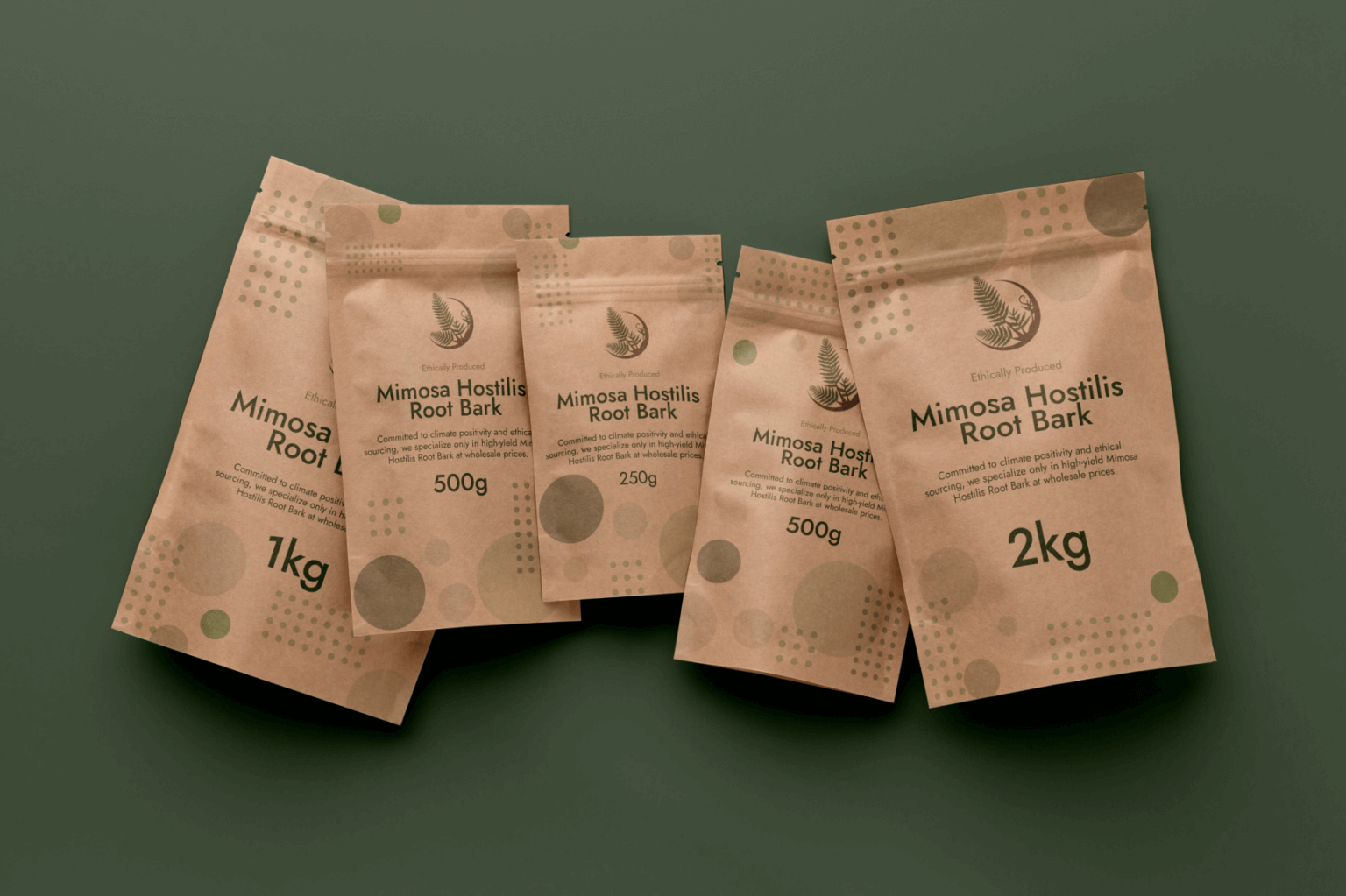
The Mimosa Hostilis Inner Root Bark (commonly abbreviated as MHRB) has captured the interest of herbalists, researchers, and spiritual practitioners for decades. Native to the northeastern region of Brazil and parts of Mexico, this plant has been used for centuries by indigenous tribes for medicinal, cosmetic, and spiritual purposes. Today, it is gaining global attention due to its powerful natural compounds and a wide range of applications.
In this article, we’ll explore what Mimosa Hostilis Inner Root Bark is, its traditional and modern uses, chemical composition, sourcing, and how to safely purchase it from a trusted Mimosa Hostilis shop.
Mimosa Hostilis, also known by its botanical name Mimosa tenuiflora, is a perennial tree native to South America. It is known locally in Brazil as "jurema preta", a sacred plant in indigenous traditions. The tree is well-known for its fast growth, resistance to drought, and its deep root system.
The most valued part of the plant is its inner root bark, which contains a dense concentration of beneficial compounds including tannins, flavonoids, and an especially notable compound—N,N-Dimethyltryptamine (DMT).
The inner root bark of Mimosa Hostilis is rich in natural alkaloids, especially DMT, a powerful psychoactive compound found in many entheogenic plants. However, it is important to understand that DMT is illegal in many countries, and extracting or consuming it in certain ways may not be lawful where you live.
Aside from DMT, the bark also contains:
The inner root bark is fibrous, with a purple to reddish hue when fresh, and brownish when dried. It has a distinctive earthy aroma. When processed into a powder or shredded form, it becomes suitable for a range of uses, including teas, tinctures, and topical applications.
Long before modern science validated its properties, the indigenous tribes of Brazil and Mexico used Mimosa Hostilis Inner Root Bark for:
Due to its high tannin and antioxidant content, MHRB is still used in natural skincare products today. Some of its cosmetic uses include:
These benefits are largely due to its ability to regenerate skin tissue, fight bacteria, and reduce inflammation.
One of the lesser-known but increasingly popular uses of MHRB is in the natural dye industry. The bark produces rich shades of purple and brown and is favored for its eco-friendly and non-toxic profile. Artisans and natural fabric producers often turn to Mimosa Hostilis shops for ethically sourced bark to use in organic textile dyeing.
Scientists have been increasingly interested in Mimosa Hostilis for its pharmacological potential. Preliminary studies suggest that extracts of the bark have:
Although research is still ongoing, these findings support traditional claims and hint at future applications in natural medicine.
The legality of Mimosa Hostilis depends on where you live. While the bark itself is legal in many countries, extracting DMT from it is usually not. Before buying or using MHRB, always check your local regulations.
Overharvesting of Mimosa Hostilis can lead to environmental degradation. It’s crucial to purchase the bark from an ethical Mimosa Hostilis shop that practices sustainable harvesting—only taking the bark from mature trees and allowing for regrowth.
With the rise in demand, not all vendors provide high-quality or ethically sourced bark. Here are some tips to identify a reliable Mimosa Hostilis shop:
Although this guide is for informational purposes only, many people use Mimosa Hostilis Inner Root Bark in the following ways:
The Mimosa Hostilis Inner Root Bark is more than just a plant product—it is a powerful natural remedy with centuries of traditional use and emerging modern applications. From healing wounds to producing natural dyes and skincare treatments, this remarkable bark continues to serve both ancient and contemporary needs.
However, due to its potent chemical constituents, it should be approached with respect, understanding, and legal awareness. Whether you are a herbalist, researcher, or natural skincare enthusiast, sourcing your MHRB from a trusted Mimosa Hostilis shop is essential for quality, sustainability, and safety.
Yes, when used appropriately in topical or cosmetic applications, it is generally considered safe. Psychoactive uses are subject to legal restrictions.
Yes, it can be grown in warm climates. However, harvesting the inner root bark requires several years of growth and proper knowledge to avoid harming the plant.
Look for a verified Mimosa Hostilis shop that provides ethical sourcing, lab testing, and positive customer feedback.







