What type of career do you have? Does it fulfill you? Do you find it fun or engaging? What do you do in it? Do you help people? Are you a leader? An advisor? What do you think your job says about you?
These questions, and more, can often be central to many people finding themselves stuck in something of a career rut. Maybe once upon a time, your career was deeply fulfilling. It made you feel good or gave you a sense of accomplishment. Maybe you just really liked the workflow that your job entailed.
But what if you feel that you’ve outgrown your career? What if it’s been years of work for little reward? Industries change, but rarely along the lines people actually want them to. It can be hard to feel like you’re not making any real impact, especially if calls for leadership are going unanswered. You may find yourself desiring a leadership role or a job where you help people. Maybe once you dedicated hours to a financial degree, now you want to pursue a DNP FNP so that you can help patients in a hospital.
If you’re looking for a career that will allow you to stretch your empathetic feelers and your leadership talents to their full potential, look no further than the following careers.
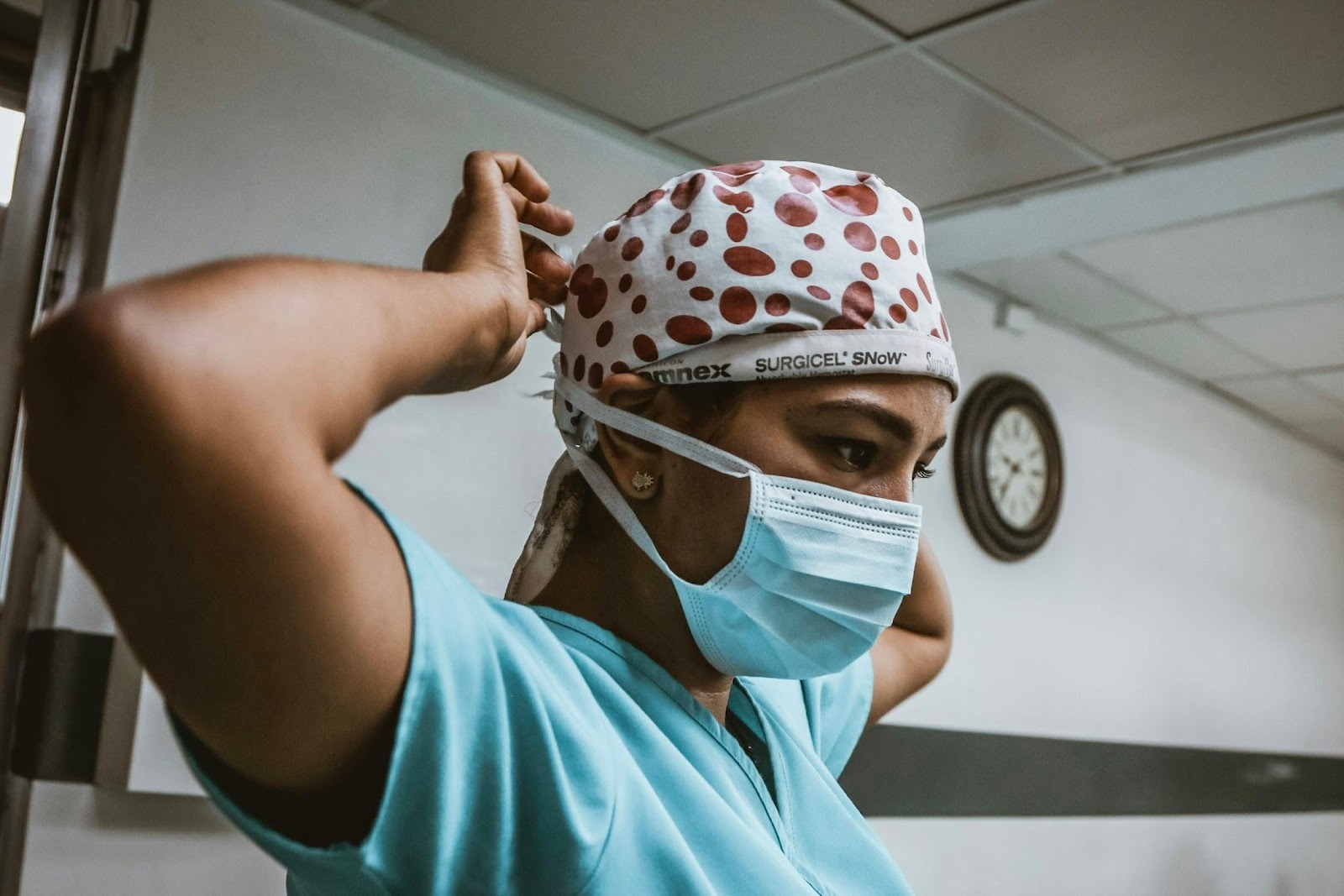
Nurses are possibly the most famous type of altruistic career in the world. Working long hours, days off spent on call, rare breaks, skipping meals, working early in the morning and late at night, dealing with patient abuse, being bedside for all of a patient’s needs, and often performing intimate care duties, there little in a nurse’s work that doesn’t involve an incredible amount of patience, understanding, and love.
Especially considering how much death, pain, and grief nurses (or anyone working in a hospital, really) see every day, the job is not only physically demanding on your time and energy, but also intensely mentally straining. Still, if you’re the type of person who gets a deep sense of personal satisfaction from genuinely making people’s lives better, especially during the hardest times in people’s lives, then a nurse position might just be the very thing for you.
Society needs people to protect it, and though policy makers and lawyers serve the community by amending laws and seeing justice done, sometimes threats to people and their property are immediate, sometimes deadly. And although the military and police forces have faced significant criticism in recent years, the fact remains that they are necessary institutions dedicated to the safety of the citizenry and the country. If your altruism reaches levels of self-sacrifice that see you getting in between potentially violent conflicts and incredibly dangerous scenarios, then these careers may be for you.
Of course, there are other ways to make a difference than by healing the sick and protecting those under threat. Our future is determined by the generations that follow us, and access to education is everything when determining how that generation grows up. A truly free nation is one where education is accessible and of top quality, and now more than ever, we need good teachers.
Being a teacher means working long hours in a high-stress job. Being responsible not just for the education but for the well-being of the kids under your tutelage is a huge responsibility. Not only that, but sometimes you may have to deal with irate parents or problematic kids. However, the intrinsic rewards of teaching often far outweigh the drawbacks, and the right teacher can be life-changing for some students. And in your own way, you’ll be securing the future of our country.
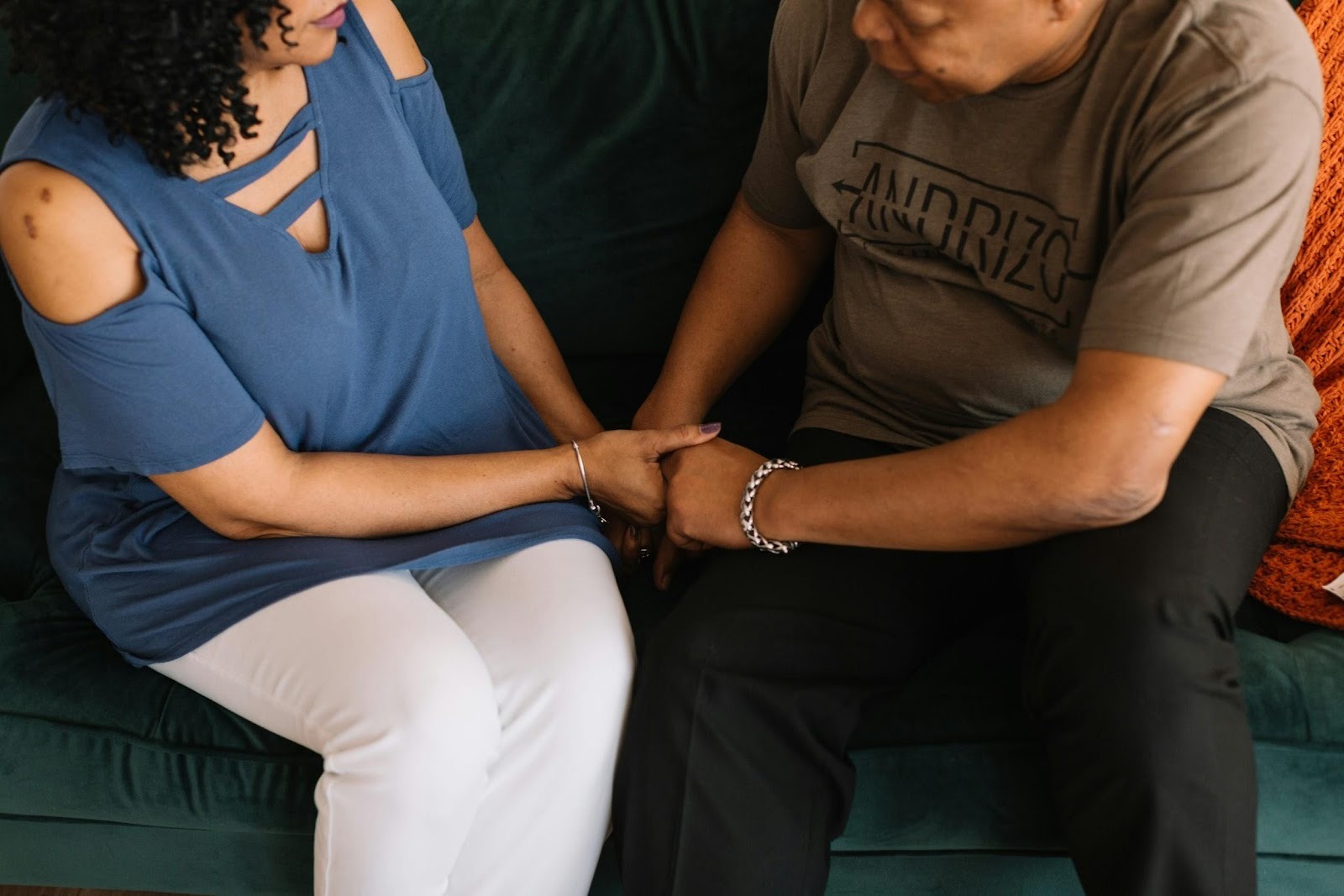
Just as a nurse helps people heal from diseases and physical injury, a psychologist does the same thing with mental ailments and injuries. The conversation around mental illness and mental health has increased vastly in the last decade, largely due to social media’s role in spreading information and awareness about certain causes. As a result, therapy has become much less stigmatised and now more people than ever are attending therapy and seeking help for their mental illnesses.
As a psychologist, your role will be to administer one or more types of therapy based on a particular patient’s needs. This will involve talking to or interviewing them at length to achieve an understanding of how their mind works, and then using clinical processes such as CBT (Cognitive Behavioural Therapy), Exposure Therapy, Art Therapy, and DBT (Dialectical Behaviour Therapy) to help the patient overcome their mental illness and attain a better quality of life.
While the role does expose you to frequent recollections of trauma and often deeply emotionally distressing circumstances, it also allows you to see a direct and marked improvement in many patients’ lives, making it a singularly rewarding role necessitating care, empathy, and leadership.
It’s no secret that there are a lot of problems in society, and for many people, it’s impossible to tackle them alone. Communities under threat of local gangs, impoverished people with no access to help or resources to get themselves out of poverty, kids that are being abused or neglected, and more. Fortunately, there are people who help with these issues - social workers.
Social workers come in a few different forms, working either with individuals, with communities, or with policymakers in governments, to advocate for their clients and communities to better their societies. Social workers often play the role of a liaison between people and the official bodies that can offer them assistance to get a better quality of life. Social workers can help addicts enter recovery programs, help abused or neglected kids find safe foster homes, and help communities entreat their councils or governments for local amenities and resources.
Many people will reach a crossroads in their lives at one point or another. A point where they reflect on their career and decide if it’s still enough for them. What may have been a satisfactory and fulfilling job may no longer feel like it feeds your desire to make an impact on the world around you. Entering a care-focused role can be a uniquely selfless and altruistic move, whether you’re putting your health and safety on the frontline, or managing the complex emotional states of others. It takes a special person to work in care.