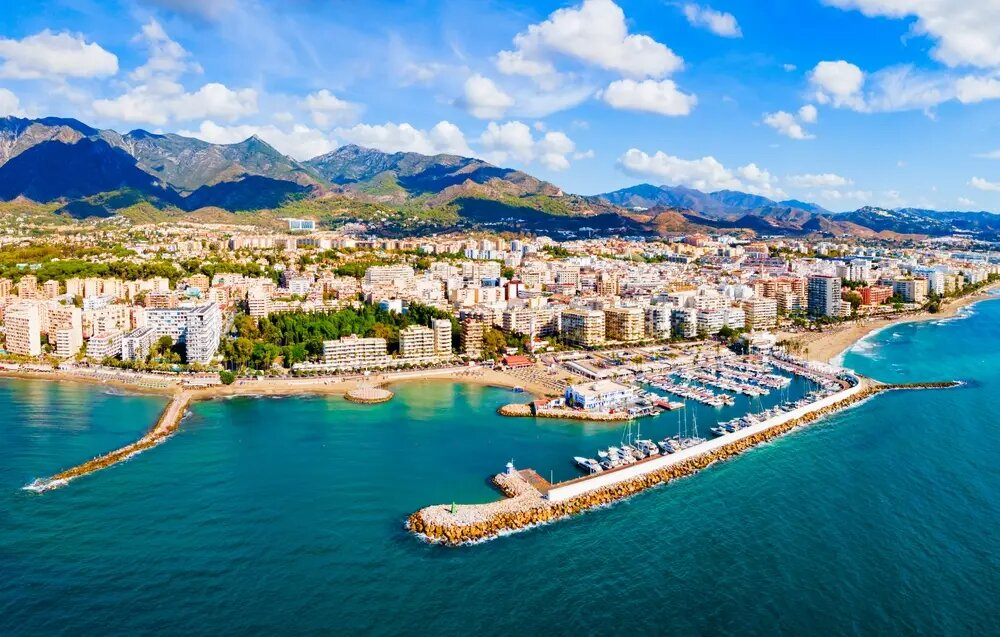
Planning a trip to Andalusia and the Costa del Sol? This comprehensive month-by-month guide explains the best time to visit Southern Spain for beaches, culture, festivals, hiking, wine harvests, and budget-friendly travel. From sun-soaked Marbella to historic Seville, Granada, Córdoba, Cádiz, and Málaga, Southern Spain offers Mediterranean coasts, Moorish palaces, snow-capped peaks, and a year-round schedule of lively fiestas.
Start your trip planning here: Flights to Marbella
Best Time to Visit Southern Spain: The Overall Snapshot
- Best all-round months: April–May and late September–October. Expect warm days (20–28°C), lower crowds than summer, and vibrant festivals. Sea is swimmable by late May on the Costa del Sol and warmest in September.
- For beaches: June–September. Sea temperatures peak at 23–24°C in August–September along the Mediterranean; the Atlantic (Cádiz) runs cooler and windier.
- For city culture without heat: November–March. Mild days (15–20°C on the coast), clear museums and monuments, Christmas lights in Málaga, and ski season in the Sierra Nevada (usually December–April).
- For avoiding extreme heat: Skip inland cities like Seville and Córdoba in late July–August, where highs regularly exceed 36–40°C.
“Spring and autumn reward you with blue skies, festivals, and the aromas of orange blossom—without summer’s crush.”
Key facts:
- Daylight: ~15 hours in June vs. 9–10 hours in December.
- Rainfall: Most likely November–March, with summer largely dry.
- Sea temperatures (Costa del Sol): ~15–16°C in winter; 23–24°C late summer.
Best Time to Visit Southern Spain: A Month-by-Month Guide
January — Quiet Culture and Mountain Snow
- Weather: Coastal highs 15–18°C; inland cooler nights. Sea ~15–16°C.
- Crowds: Low; great prices and availability.
- Highlights: Jan 5 “Cabalgata de Reyes” parades, empty monuments, skiing in the Sierra Nevada above Granada.
- Tip: Pack layers; sunny days flip to chilly evenings.
February — Carnival Vibes and Almond Blossoms
- Weather: Similar to January; occasional rain spells.
- Crowds: Low to moderate in Carnival hubs.
- Highlights: Cádiz Carnival (one of Spain’s most famous), almond blossom in Málaga’s Axarquía and rural Andalusia.
- Tip: Bring a light rain layer and comfortable shoes for street celebrations.
March — Orange Blossom and Early Spring Warmth
- Weather: Warmer days 18–22°C on the coast; longer daylight.
- Crowds: Rising in city centers.
- Highlights: Orange blossom scents in Seville and Córdoba; some years Semana Santa (Holy Week) falls in late March.
- Tip: Book accommodations early if Holy Week is in March.
April — Festivals and Ideal Temperatures
- Weather: 20–25°C most regions; fresh evenings.
- Crowds: Moderate to high in festival cities.
- Highlights: Semana Santa processions and Feria de Abril in Seville (dates vary), patios and courtyards open to the public across Andalusia.
- Tip: Dress smart-casual for feria events; carry a light jacket for nights.
May — Patios, Wildflowers, and Beach Warm-Up
- Weather: 22–28°C; sea warming to 18–20°C.
- Crowds: Pleasant, with local festivals.
- Highlights: Córdoba Patio Festival, Jerez Horse Fair (Feria del Caballo), rural wildflowers, early swims on the Costa del Sol.
- Tip: Shoulder-season sweet spot: great for both city walks and coastal stays.
June — Long Days and Start of Peak Beach Season
- Weather: 25–30°C coast, hotter inland; little rain. Sea 20–22°C.
- Crowds: Increasing, especially late June.
- Highlights: Noche de San Juan (June 23) bonfires on beaches; outdoor concerts and terrace dining.
- Tip: Make lunch your sightseeing window; reserve dinners near the water.
July — Sun, Sea, and Siestas
- Weather: Coast 28–32°C; Seville/Córdoba often 36–40°C+. Sea 22–23°C.
- Crowds: High at beaches; very hot inland.
- Highlights: Late-night city life, beach clubs in Marbella, cultural festivals in Granada and Málaga.
- Tip: Plan indoor sights midday; enjoy mornings and late evenings outside.
August — Fiesta Month and Warmest Waters
- Weather: Hottest month; sea 23–24°C and calm.
- Crowds: Peak—book far ahead.
- Highlights: Feria de Málaga mid-August; starlit dinners, lively chiringuitos, cool Atlantic breezes in Cádiz (with possible Levante winds).
- Tip: If visiting inland, prioritize early mornings and siestas.
September — The Goldilocks Month
- Weather: 25–30°C days; sea stays at 23–24°C; fewer crowds.
- Crowds: Thinning after the first week.
- Highlights: Grape harvests in Montilla-Moriles and Ronda areas; ideal for beach and city combos.
- Tip: One of the best months for Marbella, Málaga, and Cádiz beaches.
October — Perfect Balance for Culture and Nature
- Weather: 20–26°C; sea 20–22°C; first autumn rains possible.
- Crowds: Comfortable; many families back to school.
- Highlights: Hiking in Grazalema, Caminito del Rey, and Alpujarras; warm coastal afternoons.
- Tip: Great time for Seville, Córdoba, and Granada without heat stress.
November — Quiet Lanes and Culinary Comforts
- Weather: 16–22°C coast; cooler inland nights; rain more frequent.
- Crowds: Low; value season.
- Highlights: Olive harvest begins; food tours, flamenco venues, art museums without queues.
- Tip: Pack a compact umbrella; book a hammam or thermal spa for cool evenings.
December — Lights, Markets, and Ski Season Start
- Weather: Mild coast (15–19°C days) and crisp evenings; mountains cold with snow.
- Crowds: Festive, but manageable outside holidays.
- Highlights: Málaga’s famous Christmas light displays, nativity scenes, Sierra Nevada skiing typically underway.
- Tip: For New Year’s Eve, join locals eating 12 grapes at midnight for good luck.
Costs and Crowds by Season in Southern Spain
- Low season (mid-November–March, excluding holidays):
- Prices: 20–40% lower than peak.
- Best for: Museums, tapas crawls, scenic road trips, and ski days.
- Shoulder season (April–June, September–October):
- Prices: Near standard; better value and availability.
- Best for: Balanced weather, festivals, relaxed beaches (especially September–October).
- High season (July–August, Easter week, major ferias):
- Prices: 20–50% higher; early bookings essential.
- Best for: Warm-sea beach breaks and big-city fiestas.
Packing and Planning Tips for the Best Time to Visit Southern Spain
- Clothing:
- Spring/autumn: Layers, light jacket, sun hat.
- Summer: Breathable fabrics, UV protection, sandals plus comfortable walking shoes.
- Winter: Light coat on the coast; warmer jacket for Granada/Sierras.
- Essentials:
- High-SPF sunscreen, refillable water bottle, sunglasses, compact umbrella Nov–Mar.
- Timing:
- Sightsee mornings/evenings in summer; book key attractions and restaurants during festival weeks.
- Driving:
- Coastal roads get busy in summer; consider trains for Seville–Córdoba–Málaga corridors.
- Health:
- Hydrate and rest during the hottest hours (2–6 pm in July–August).
FAQs: Best Time to Visit Southern Spain
- What’s the best month for beaches?
- September for warm water and lighter crowds; June for long days and fewer heat extremes; July–August for peak sun and nightlife.
- Best time for hiking and white villages?
- March–May and October–November: cooler temps, wildflowers in spring, clear views in autumn.
- Best time for festivals?
- April–May (Semana Santa, Seville’s feria, Córdoba patios); August (Málaga fair); February (Cádiz Carnival); June 23 (San Juan on the beaches).
- Best time for budget travelers?
- Mid-November to early March (excluding Christmas/New Year and Holy Week): lower prices, fewer crowds, mild coastal weather.
In short: The best time to visit Southern Spain depends on your goals. For a perfect blend of weather, culture, and calm seas, choose April–May or September–October. For pure beach life, go June–September. For deals and culture-rich city breaks, winter is your friend—sunny by day, cozy by night.