
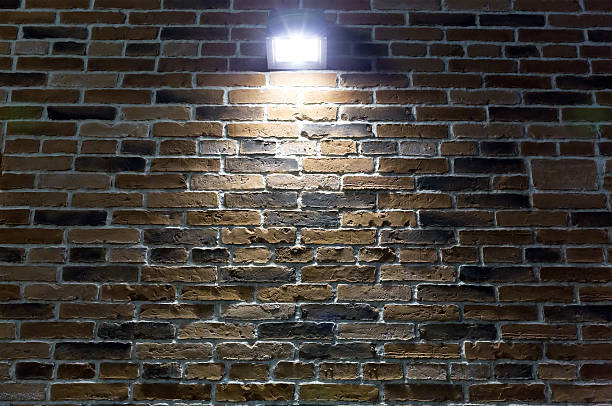
When it comes to outdoor illumination, wall pack lights are among the most popular options used in commercial and industrial facilities. They are high-powered lights that improve visibility, enhance security, and lower operational costs when used with smart controls or automatic street-light systems. On the other hand, poor planning or installation can lead to mounding inefficiencies, unnecessary costs, and even create a hazardous environment.
This article discusses the top five common mistakes businesses and institutions make when installing wall pack light systems and how to overcome them. It doesn’t matter whether you are a facility manager, procurement officer, or a lighting contractor; being aware of these issues aids to make better installation and purchasing decisions.
Ignoring the design and layout stage of wall pack lighting projects is one of the most notable errors. In most cases, businesses that do not design a lighting plan are bound to have uneven illumination, dark spots, and light pollution. This can lead to the facility undermining safety and security, and in some cases, it can lead to a violation of the local lighting ordinances.
A lighting layout should consider:
Integration of wall pack lights into an automatic street lighting system can lead to poor performance due to ineffective sensor placement or poor light distribution. A lighting design from a specialist provides uniform lighting throughout the property while maximizing energy savings and ensuring compliance.
A different mistake made by B2B buyers is picking wall pack lights with disregard to the required wattage and color temperature. Buying the wall pack lights because the price is appealing or the item is readily available led to this oversight. Installations that are too bright result in a waste of energy while too dim lights will not sufficiently illuminate critical areas such as loading docks, building perimeters and access roads.
Here are critical pointers to remember:
A single well-placed wall pack light can enhance an energy-efficient automatic street light system by providing adequate lighting while conserving energy during low-demand periods.
In industries that have outdoor wall pack lights as part of the lighting system, the lights are OEM exposed to a variety of environmental factors. One critical error facility managers tend to make is overlooking the Ingress Protection (IP) and Impact Protection (IK) ratings of the light fixtures.
Lights with low IP ratings are susceptible to rain, dust, and insects which can result in short circuits or a significantly reduced lifespan. Furthermore, lights without a robust IK rating are highly vulnerable to mechanical impact, especially in high traffic or vandal prone locations.
For outdoor use, wall pack lights with a minimum of IP65 and IK08 ratings is preferred in order to have a reliable fixture performance in demanding outdoor environments.
The adoption of smart lighting technologies, including automatic street light systems, is on the rise. A wall pack light that is non-compliant with these systems can negatively impact the lighting infrastructure.
Here are some of the common mistakes done while integrating things.
Combining wall-pack lights with automatic street light systems offers significant energy savings, predictive maintenance, and real-time control. Make sure the wall pack units are equipped with smart capabilities and are adaptable for future changes.
Poor Mounting and Wiring Standards
Lastly, improper installation is a common problem. Poor mounting can cause water ingress, excessive overheating, or fixture detachment from the wall. Loose or improper wiring, lack of proper electrical connections, and absence of surge protection can result in electrical failure or pose a fire risk.
Best practices include:
This is of great importance in systems where wall pack lights are part of an automatic street light system. Single point failures can cause multiple lights to go dark, leading to increased downtime or costly repairs.
Getting these five key aspects right can unlock remarkable benefits for a business in the long run. These benefits include:
In businesses and industries, lighting goes beyond being a mere utility—it becomes a strategic asset. Wall pack light choices and their installation can be intelligent decisions that save money.
To avert these blunders, work with suppliers and certified installers who have in-depth experience with wall pack lighting and automatic street light system integration. Competent suppliers will ensure:
The phrase “wall pack light and automatic street light system” goes beyond the mere consideration of functionality. It denotes the transition towards more connected, greener industrial and commercial infrastructure.
Conclusion
As with any other technology, there are ongoing developments in wall pack lighting systems, which enhance control, visibility, and efficiency for businesses. At the same time, these advantages can be undermined by poor planning or execution. Avoid basic errors like poor design selection, component selection mismatch, use of unsuited systems, and faulty installations, and your facility will be smarter and fully automated, equipped with wall pack lighting systems and other smart lighting solutions. Always engage reputable vendors and installers with experience in integrating wall pack lights into automatic street light systems. The right choices now will lead to lower operating costs and streamlined excellence in the future.







