
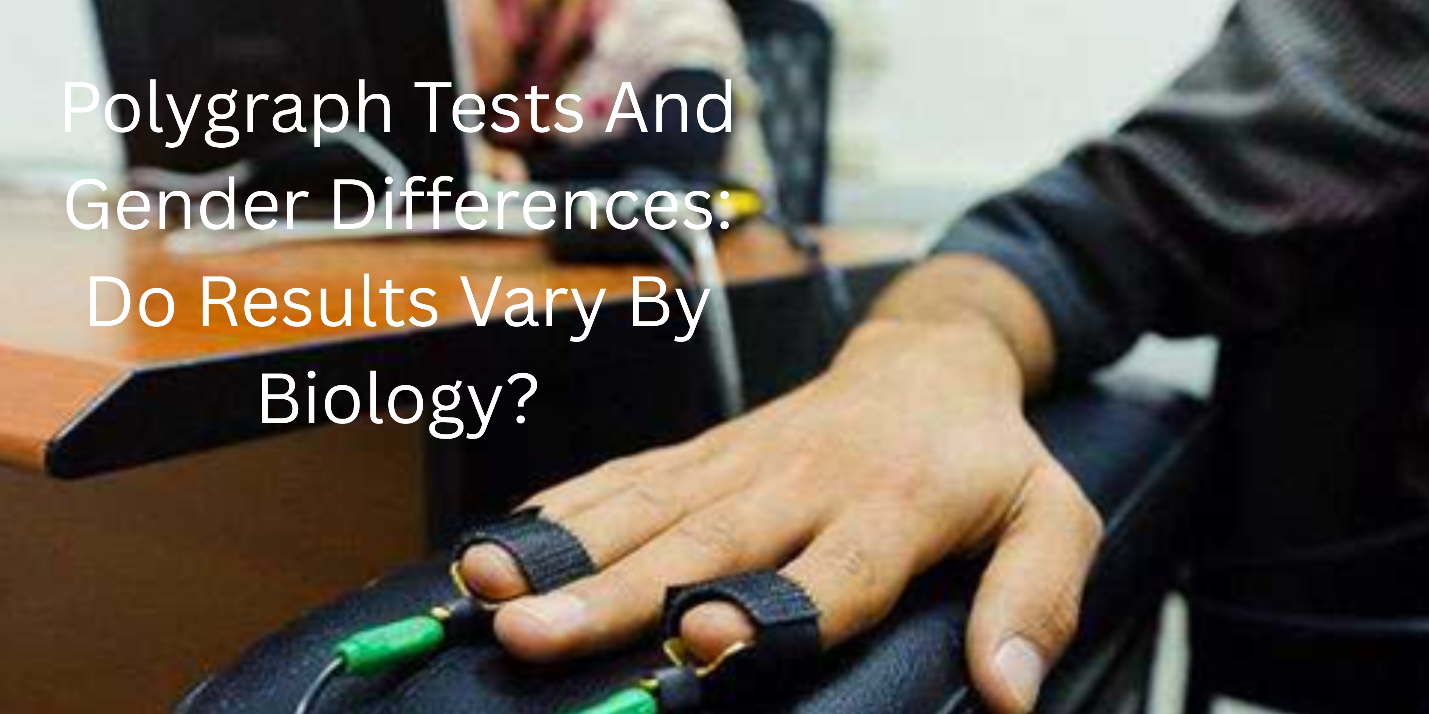
Familiar with the expression ‘women may fake orgasms, but men can fake the entire relationship?’
While this saucy portrayal of infidelity is a bit exaggerated, it lends credence to widely held beliefs that men lie more than women. And, in fact, there’s mounting evidence to corroborate those assertions.
A previous survey found that women told considerably fewer lies than men. Researchers also observed that women were less ambitious and less persuasive than men, pointing to the two traits as key motivations behind deception.
But how do these dynamics play out in lie detector tests? Can gender impact the credibility of polygraph results?
To uncover whether men and women respond differently to lie detector tests, we should start by examining what these exams typically measure.
A polygraph test monitors arousal to the Autonomic Nervous System (ANS), which presents in a series of physiological reactions.
The ANS is a division of the Peripheral Nervous System (PNS) that regulates several biological functions. It mostly controls breathing, sweating, digestion, and cardiovascular functions like pulse rate, heart rate, and blood pressure.
Lying arouses the autonomic nervous system. As a result, all ANS-regulated functions go into overdrive.
Polygraph machines typically measure changes in breathing, sweating, pulse rate, and blood pressure that are consistent with deception.
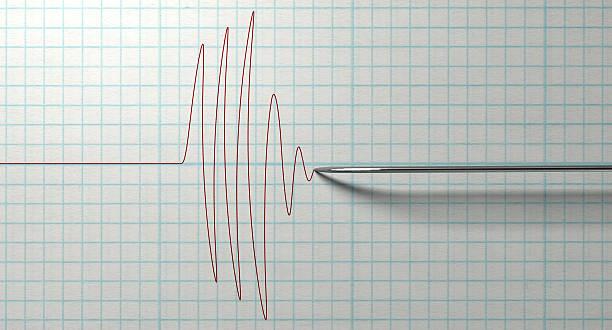
Studies indicate that women have a considerably higher baseline breathing rate than men. According to researchers, physiological variance is an adaptation to overcompensate for their smaller lung capacity and restricted airways.
A diminished lung size means women must breathe faster to maximize their tidal volume.
Sex hormones are also responsible for the higher respiratory rate in women. Research has shown that female hormones, particularly progesterone, can stimulate respiratory activity.
So, theoretically, a female polygraph examinee will record a more dramatic respiratory activity than their male counterpart. But is that sufficient evidence to infer deception?
It’s common knowledge that men sweat more profusely than women. Expectedly, sex hormones play a critical part.
Testosterone, a hormone considerably higher in men, seems to stimulate the sweat response. That’s in contrast to the female-dominant estrogen, which cools the body temperature and promotes relaxation.
Men also have a larger body size with a more elaborate muscle system than women. That means they generate more heat, which consequently requires sweating to cool down.
Lastly, men sweat more due to their higher density of sweat glands.
As mentioned, polygraphs can detect evidence of suspicion by monitoring the heart rate and blood pressure. These cardiovascular activities differ across both genders as well.
In a study comparing male and female hearts, researchers observed that women had a slightly higher baseline heart rate than men. Some findings show that a woman’s heart can beat up to 10 times faster than a man’s.
But here’s the interesting part!
That means men have a higher baseline blood pressure. Androgens like testosterone are largely responsible for elevated blood pressure in men, due to their stimulatory effects on the renin-angiotensin system.
But even if we extrapolated these findings into a polygraph scenario, we wouldn’t have a direct inference on which gender is likely to fail a lie detector test. After all, women have a faster heart rate, which cancels out their lower blood pressure. And the converse is true for men.
It’s evident that men and women exhibit different baseline physiological reactions. However, there’s inconclusive evidence that those variances can impact the outcome of a lie detector test.
First, polygraphers rely on credible baseline data to infer honesty or deception.
Before administering in-test questions, an examiner will subject an examinee to a series of test-relevant questions. This preliminary evaluation enables the examiner to document the examinee’s physiological baselines, which later become the reference for inferring deception.
Assume that two subjects - a male and a female - are lining up for a polygraph test.
The man has a resting heart rate of 80 beats per minute, while the woman’s heart beats 90 times per minute.
During the pre-test phase, a polygraph machine will pick up and record these averages.
When administering the in-test questions, an examiner will compare each examinee’s real-time biofeedback against their respective baselines. That makes it difficult to infer deception or honesty purely based on gender-based physiological predispositions.
We should also point out that guilty people lie for various reasons, and the motivations are typically consistent for both men and women.
For instance, a female murder suspect may claim to have killed in self-defense to avoid getting sexually assaulted by the deceased. But they cannot simply attribute the crime to ‘the woman in them.’
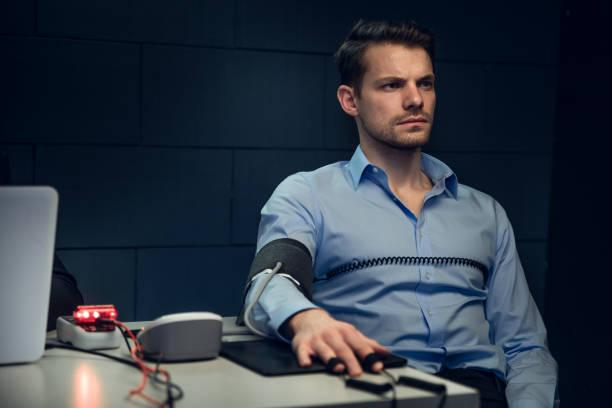
Males and females experience different patterns of arousal in their autonomic nervous system. According to research, those variances may impact the strength of the response to lie detector questions.
However, the common motivations behind deception are cross-cutting. The implication is that a dishonest examinee is almost certain to fail a polygraph test regardless of their gender.
More importantly, polygraphers are professionally trained to weave through various nuances (including gender differences) while conducting lie detector tests. One of the most effective approaches entails documenting an individual’s physiological baselines ahead of time.
The baseline data becomes the reference point for comparing patterns of arousal recorded during the in-test questioning phase, providing a more credible indication of truthfulness or dishonesty.







