
Post Preview
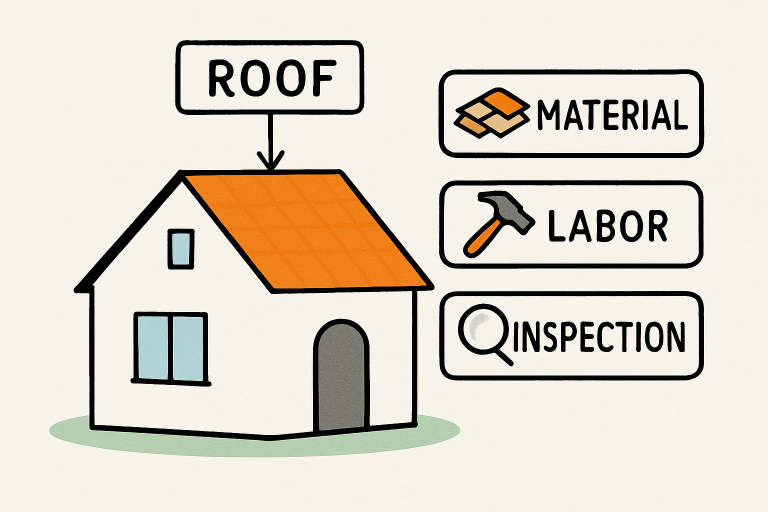
Correctly estimating roofing costs is a step every homeowner should prioritize before installing roof repairs or replacements. Not only does an accurate estimate help you prevent costly surprises, it also ensures your project runs smoothly from start to finish. Whether you’re weighing options for materials or trying to budget for labor, understanding the ins and outs of roofing costs is essential. To make planning even easier, you can calculate the cost of a new roof online and tailor your budget to your specific circumstances.
Before you start with comparisons and contractor calls, it’s essential to recognize that roof costs aren’t only shaped by materials—factors like roof size, pitch, and labor all play critical roles. With a clear view of each variable, you can confidently approach your roofing project, reducing the risk of unexpected fees and repairs along the way. This guide will help you break down these variables to make informed decisions for your home.
Keeping a proactive mindset matters, too. Minor unchecked issues can spiral into major repairs, and regular roof inspections are one of the best ways to stop minor problems before they become expensive headaches. We’ll walk you through what to look out for and how to ensure transparency in every estimate you collect.
Working with reputable professionals is also a key part of a successful project. Knowing what questions to ask and how to verify credentials, you’ll avoid common pitfalls and get the best value for your money.
A variety of factors shape the total price of a roofing project. First and foremost, your roof's overall size and architectural complexity can substantially impact the cost. Larger or uniquely shaped roofs require more materials and often specialized labor, driving expenses higher. The type of roofing material you select is the second major factor, with prices varying widely depending on durability, aesthetic quality, and supplier availability.
Labor rates, which are typically influenced by your region and the roofer’s expertise, also account for a large portion of the bill. Don’t overlook local building codes or necessary permits, as these legal requirements can affect the material selection and installation process, occasionally adding unexpected costs to your estimate. The Forbes roofing cost guide provides further insights on how these elements influence total project expenses.
Consistent roof inspections are a wise investment that can save significant money over the long term. Inspecting your roof at least once a year helps identify wear, leaks, or damage caused by storms and prevent these minor problems from escalating. Industry research has shown that what starts as a simple $300 repair can easily balloon into a full replacement costing upward of $10,000 if left unaddressed. Early intervention offers the best chance to prolong your roof’s life and protect your investment.
Securing at least three separate estimates from reputable roofing contractors is a best practice for any homeowner. Each bid should provide a transparent breakdown of material, labor, and other incidental costs and information about project timelines and warranties. Be wary of quotes that are remarkably lower than others—these can indicate the use of subpar materials or potential oversights in the scope of work. Comparing estimates helps you balance quality with cost and avoid being overcharged.
Roofing materials are one of the most significant line items in any estimate. Asphalt shingles remain the most popular choice for affordability and versatility, usually ranging from $3.50 to $5.50 per square foot. For those seeking enhanced durability and energy efficiency, metal roofing offers a longer lifespan—albeit at a higher price point of $10.00 to $20.00 per square foot. Tile roofs are known for their distinctive appearance, but can cost $15.00 to $30.00 per square foot, depending on the material and design.
It’s important to factor in the longevity of your investment. While premium materials may require a larger upfront payment, they can result in lower maintenance costs and a longer service life.
Labor typically accounts for 60% or more of the total roofing cost. Expenses can fluctuate based on roof pitch, accessibility, and whether the project requires removing existing materials. Additional fees can be incurred for permits, structural repairs, or debris removal—all of which should be itemized by your contractor. Transparent communication is key to preventing disputes or misunderstandings once work begins.
To avoid hidden charges, request a detailed written estimate before signing any agreement. This document should outline every aspect of the project, from initial materials and labor to disposal and cleanup. Watch for vague language or catchall terms like “miscellaneous fees” that could mask extra expenses. Reliable contractors will always provide a categorical breakdown and willingly answer your questions.
Finding a qualified, reliable contractor is crucial to ensuring high-quality results. Start by verifying licenses and insurance coverage. Ask for references and check online reviews for consistent feedback from past clients. Also, inquire about warranties covering materials and workmanship, as this protection can offer years of peace of mind. Choose a contractor who communicates clearly and has a solid track record of responsiveness and professionalism.
Accurately estimating roofing costs sets the foundation for a successful and cost-effective project. Homeowners who understand influential variables, commit to regular inspections, review multiple estimates, and partner with skilled contractors are best positioned to achieve high-quality results within budget. Protect your investment by remaining vigilant, transparent, and thorough throughout every project phase.







