Trusted Local News

Historic Flow: 19th-Century Techniques That Built America’s First Water Fountains

During the early 19th century, the United States experienced a remarkable period where art, engineering, and technology combined to create public masterpieces, Water fountains. These were not only decorative but also symbols of progress, civic pride, and innovation.

1. The Birth of Water Fountain Manufacturing in the 19th Century

In the early 1800s, fountains emerged in U.S. cities as both artistic and engineering marvels.
The Industrial Revolution supplied the tools and technology, while experienced machinists provided the craftsmanship. Fountains were made from bronze, iron, and stone, combining design with precision machining. Early installations appeared in Boston, Philadelphia, and New York, symbolizing public health and elegance.
Many were powered by gravity-fed or steam-driven pump systems, showcasing early hydraulic innovation.

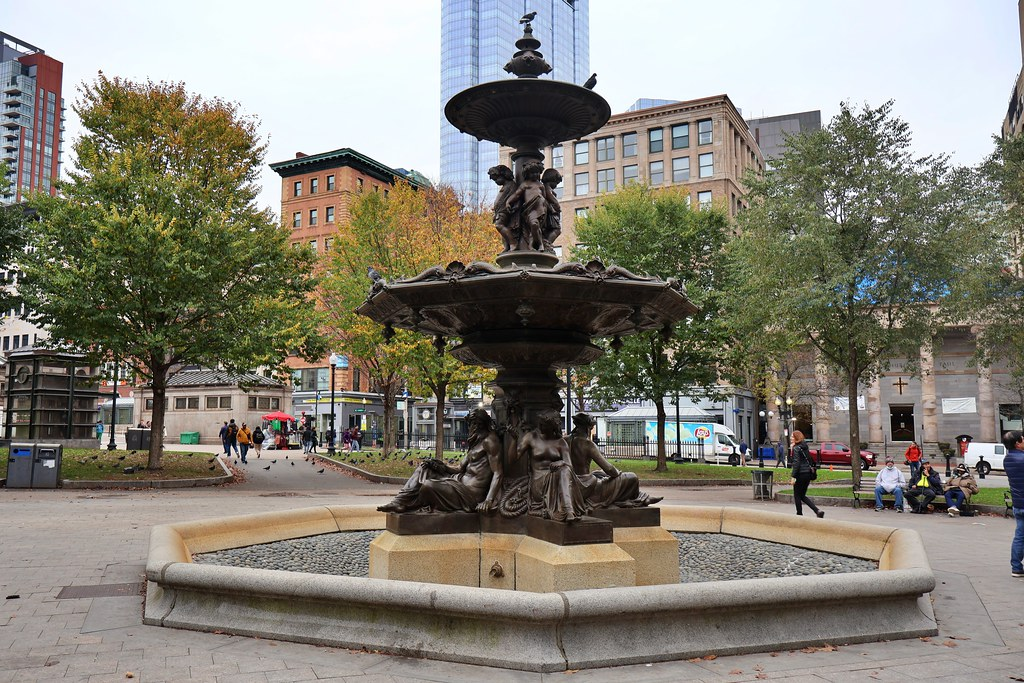
Brewer Fountain (1868) — Boston Common, Massachusetts, USA

2. Main Components of 19th-Century Fountains

Water fountain manufacturing in the 19th century involved several carefully machined parts, including:

  • Basin: Usually made of cast iron or bronze; it collects the water.

  • Pedestal: Constructed from granite or marble; it supported the structure.

  • Nozzle or Spout: Typically made from brass or copper; it controls water flow.

  • Pump System: Created from machined iron; it provided water pressure.

  • Ornamental Figures: Often sculpted from bronze or lead; they gave fountains their iconic beauty.

Each component required detailed machining using lathes, drills, chisels, and hand polishing tools.

3. Machining Techniques and Processes Used

The 19th-century manufacturing process combined manual skill with evolving technology. The following machining techniques were most common:

  • Casting and Molding:
     Molten iron was poured into sand molds to form large basins or statues.
     After cooling, machinists smoothed and shaped the surfaces.

  • Turning on Lathes:
     Manual lathes were used to make precise cylindrical parts like pipes and nozzles.
     Machinists adjusted cutting tools by hand for accuracy.

  • Drilling and Boring:
     Early drill presses were foot- or belt-powered, used to make holes for valves, joints, and fasteners.

  • Surface Finishing:
     Brass and copper parts were polished with pumice stones or buffing wheels.
     Engravings and decorations were done by hand.

These steps required experienced machinists with a deep understanding of both metals and mechanical precision.

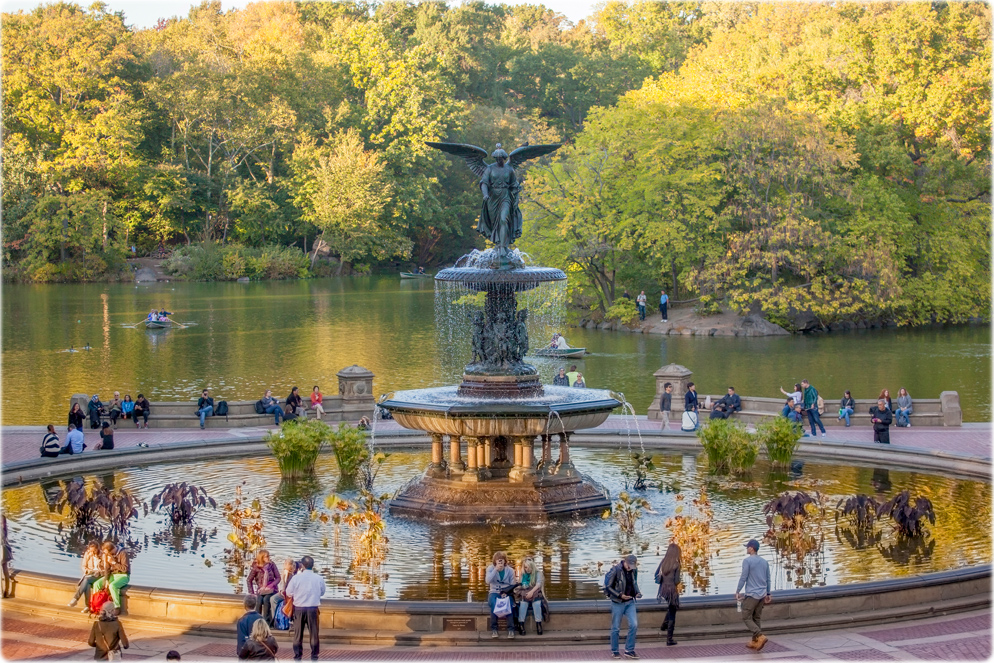
Bethesda Fountain (1873) — Central Park, New York City, USA

4. Equipment Used by Early Machinists

The machinery of the 19th century was simple yet revolutionary. Here are the main tools used:

  • Foot-Powered Lathe: Operated with pedals to shape round metal components.

  • Planer Machine: Used for smoothing large metal or bronze surfaces.

  • Belt-Driven Drill Press: Steam-powered for creating uniform holes.

  • Hand Files and Chisels: For finishing details and adding engravings.

  • Steam Engine: Provided mechanical energy for foundry tools and workshops.

Even without electricity, these machines achieved remarkable precision proving the skill of qualified manual machinists.

5. Cost of Manufacturing — Then and Now

In the 1800s, producing decorative fountains was a significant investment.
Typical costs ranged from $800 to $2,500 at the time (about $30,000–$90,000 today), depending on materials and design complexity.

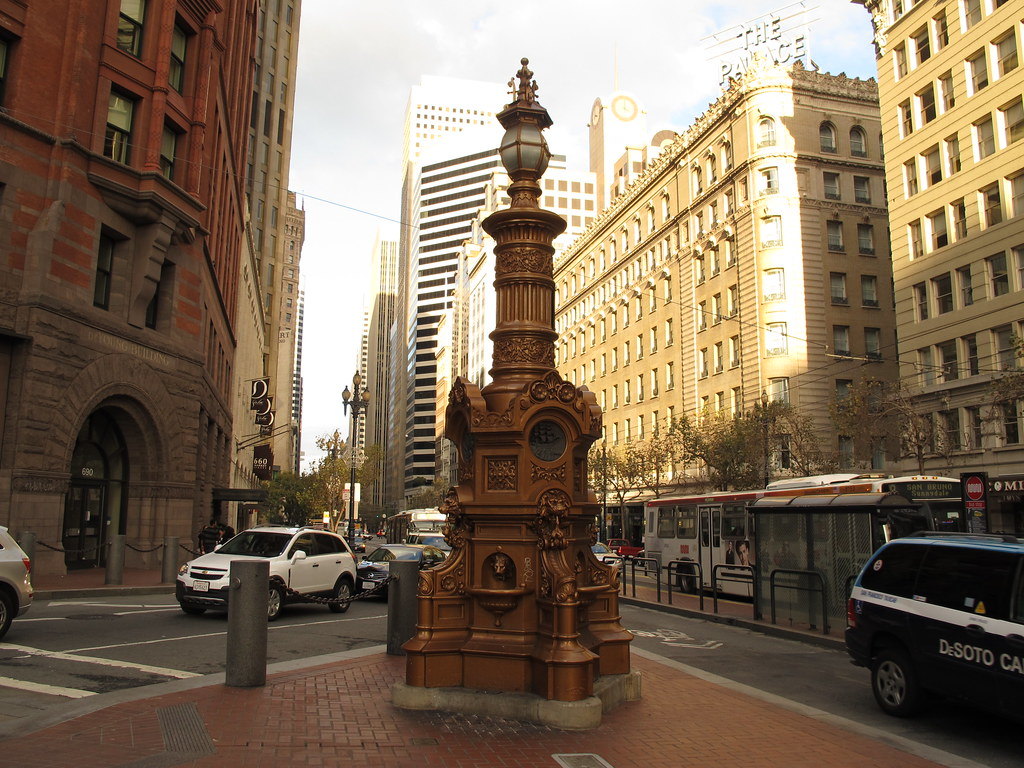
Lotta’s Fountain (1875) — San Francisco, California, showing its iconic aged patina finish

6. American Cities Where You Can Still Visit These Fountains

For travelers interested in history and technology, several U.S. cities still display 19th-century fountains crafted with these techniques:

  • Boston, Massachusetts – Brewer Fountain (1868): Made of cast iron and bronze, restored using traditional machining.

  • Philadelphia, Pennsylvania – Swann Memorial Fountain (1924): Showcases artistic bronze work and early hydraulic precision.

  • New York City – Bethesda Fountain (1873): Features machined bronze details and intricate iron supports.

  • Savannah, Georgia – Forsyth Park Fountain (1858): Originally cost $2,200 (≈ $80,000 today).

  • San Francisco, California – Lotta’s Fountain (1875): Machined locally using copper and iron components; still operational.

7. Where to Find Experienced Machinists Today

Maintaining or restoring these fountains requires highly skilled hands. You can still find qualified manual machinists who specialize in historical restoration through:

  • Local Restoration Workshops: Skilled in bronze and iron replication.

  • Industrial Heritage Foundations: Offer training in manual machining methods.

  • Online Directories: Platforms like MachineShopJob.com, Google Search or NTMA help locate licensed professionals.

  • Metal Fabrication Studios: Many employ machinists trained in both old and modern techniques.

Hiring an experienced manual machinist ensures precision, authenticity, and long-term durability during restoration or reproduction.

8. Why 19th-Century Machining Still Inspires Modern Technology

The mechanical precision achieved with manual tools inspired later innovations like CNC (Computer Numerical Control) machining.
Techniques such as casting, turning, and drilling remain foundational in today’s manufacturing processes.
Modern hydraulic and water circulation systems evolved from these early fountain designs.
Restoration projects bridge past and present technology, uniting craftsmanship with modern tools.
19th-century machinists proved that art and engineering can coexist, a lesson still relevant in today’s tech-driven world.

Conclusion

The historic fountains of the 19th century stand as monuments to the skilled machinists who shaped them. Their use of manual lathes, drills, and casting methods transformed metal into art that continues to amaze both engineers and travelers.
Exploring these fountains across the United States from Boston to San Francisco lets you witness the intersection of travel, technology, and history firsthand.
The legacy of these qualified manual machinists continues to flow, just like the timeless fountains they built.

author

Chris Bates

"All content within the News from our Partners section is provided by an outside company and may not reflect the views of Fideri News Network. Interested in placing an article on our network? Reach out to [email protected] for more information and opportunities."

STEWARTVILLE

JERSEY SHORE WEEKEND

LATEST NEWS

Events

December

S M T W T F S
30 1 2 3 4 5 6
7 8 9 10 11 12 13
14 15 16 17 18 19 20
21 22 23 24 25 26 27
28 29 30 31 1 2 3

To Submit an Event Sign in first

Today's Events

No calendar events have been scheduled for today.