
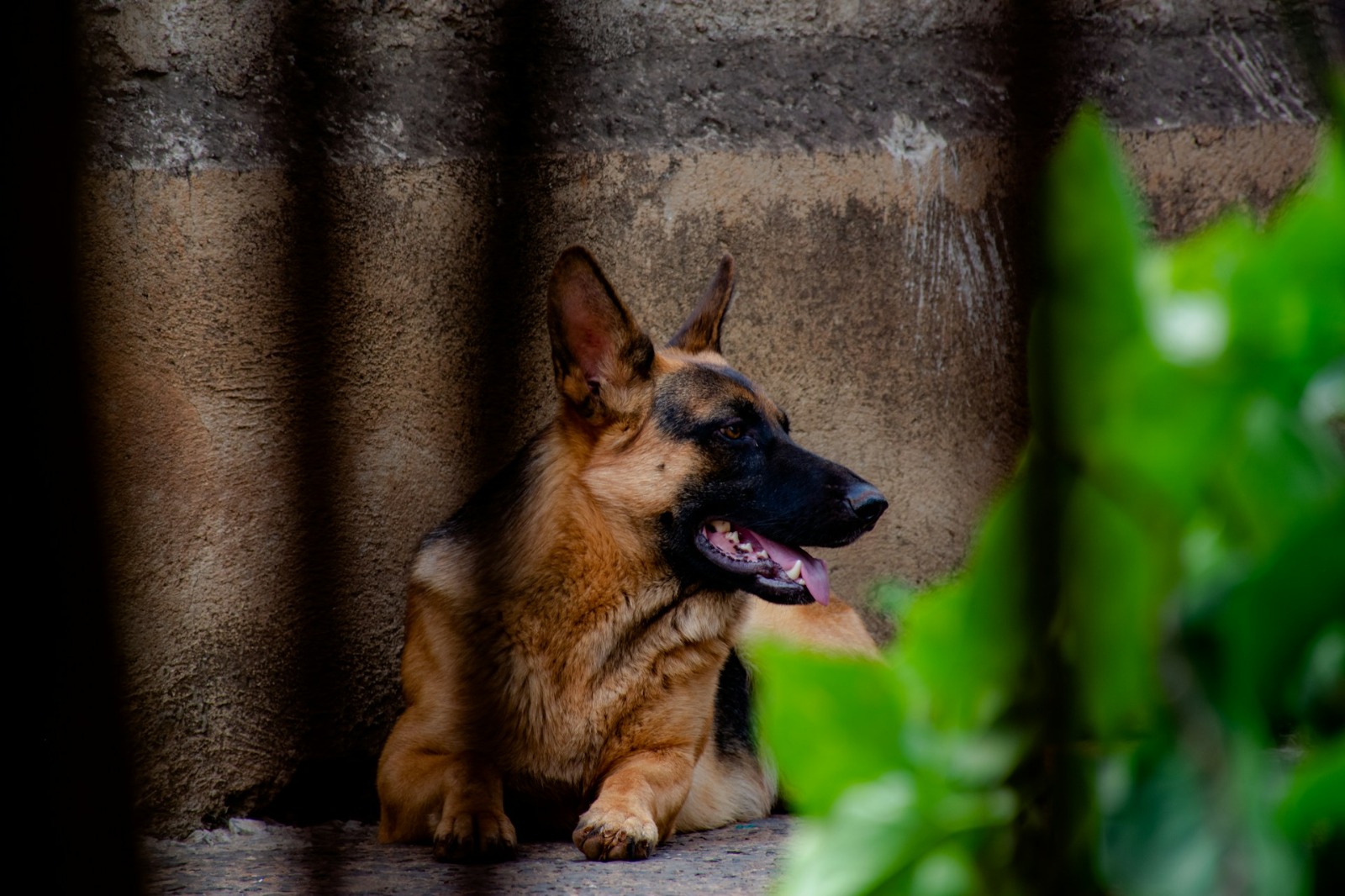
Dog bites can be very serious and can leave victims with physical injuries and emotional pain. Many people believe that the dog’s owner is always responsible for any bite, but that is not always the case. Whether the owner is liable depends on several factors, such as how the bite happened, where it took place, and what the victim was doing at that time. Knowing the exceptions to dog owner liability can help both owners and victims understand their legal rights better.
If you’ve been bitten by a dog or are facing potential legal action because your pet injured someone, professional guidance can make all the difference. Law firms such as Babcock Injury Lawyers help clients in Baton Rouge and across Louisiana understand how state laws address dog bite cases, including situations where owners may not be held liable. In more complex injury matters, consulting with an experienced Medical Malpractice Attorney or personal injury lawyer can also help victims understand how liability, damages, and procedural rules may affect their claim.
Different states have various laws about dog bite responsibility. Some states have strict liability laws. This means dog owners are automatically responsible for any injuries their dog causes, no matter what. Other states follow the “one-bite rule.” In these states, an owner is only responsible if they knew or should have known their dog was dangerous.
These rules matter because they affect how easy or hard it is for someone to make a claim. In strict liability states, an owner might avoid responsibility if certain exceptions apply, such as if the victim provoked the dog or was trespassing. In states that use negligence, the victim must show that the owner did not take reasonable care, like ignoring leash laws or failing to control a known aggressive dog.
Provocation is among the most common defenses in dog bite cases. It refers to any act that would reasonably cause a dog to react defensively—such as teasing, hitting, startling, or pulling its tail. Even unintentional actions like stepping on the dog’s paw or interfering while it’s eating may count as provocation, depending on the circumstances.
Courts assess provocation by looking at whether a reasonable dog would have reacted the same way. If a person’s actions were reckless or aggressive, the owner may not be held liable. However, the standard is often stricter when children are involved since they may not understand the consequences of their behavior. Judges typically evaluate the victim’s intent, the dog’s history, and the surrounding conditions before determining whether the defense applies.
Trespassing is another key defense that limits liability. A dog owner generally owes no duty of care to someone who enters their property without permission. If a person was trespassing when bitten, the owner might not be responsible—especially if warning signs were posted or the property was fenced.
However, this defense isn’t absolute. Courts often distinguish between adult and child trespassers. For example, children who wander into a yard to pet a dog may still be protected, especially if the owner knew kids frequently entered the area. In cases involving delivery personnel or emergency responders, the law may treat them as lawful entrants, even if they didn’t have explicit permission to be on the property.
Some victims knowingly take on the risk of a dog bite. For instance, veterinarians, groomers, kennel workers, or dog trainers regularly interact with animals that may bite. If a person voluntarily assumes the risk of working with or approaching an aggressive dog, the owner might not be held liable under the assumption of risk doctrine.
In other cases, the principle of comparative fault may apply. This allows courts to divide responsibility between the owner and the victim. If the victim ignored warnings, tried to pet a growling dog, or entered a restricted area, their damages could be reduced proportionally. For example, a victim found 40% at fault for provoking the dog may recover only 60% of their total damages.
To hold someone liable, a plaintiff must first prove that the person was the dog’s owner or caretaker at the time of the incident. This may sound simple, but disputes often arise when multiple people live in a household or when a dog temporarily stays with someone else. If a defendant can show they didn’t own, keep, or control the dog, they may avoid responsibility entirely.
Mistaken identity also plays a role in multi-dog incidents. When several dogs are present, it can be difficult to determine which one inflicted the bite. If the injured party cannot prove which dog caused the injury, the case may fail. Similarly, if the injury wasn’t from a bite but from being knocked down or scratched, strict liability laws may not apply, forcing the plaintiff to prove negligence instead.
Even a strong case can be dismissed on procedural grounds. Every state enforces a statute of limitations, which sets a deadline for filing a lawsuit. In Louisiana, personal injury claims—including dog bites—generally must be filed within one year of the incident. Filing even a day late can lead to automatic dismissal, regardless of the case’s merits.
Other procedural defenses can include lack of jurisdiction, improper service of court papers, or the plaintiff’s failure to meet notice requirements. These technicalities may sound minor but can have major consequences. For that reason, both victims and dog owners should act quickly and seek legal guidance early in the process to ensure all procedural steps are correctly followed.
Courts are being more careful about how they handle dog bite cases. For example, some places do not allow provocation as a defense if young children are involved, because children cannot predict how a dog might behave. Recent court decisions also examine whether dog owners acted responsibly, such as keeping their dogs restrained or warning others about their dogs' behavior.
As attitudes toward pet ownership change, case law is also evolving. Courts are increasingly viewing dogs as family members rather than just property. This perspective affects how they consider liability and defenses. While dog owners can still use traditional defenses, they must prove they acted responsibly and took steps to prevent harm.
Dog bite liability is complex and varies with each case. It depends on details such as how the bite occurred and who was involved. Defenses like provocation, trespassing, or shared blame ensure fair responsibility and protect responsible owners while allowing victims to seek justice when negligence is clear.
In a dog bite situation, victims should document the incident, and owners should understand local laws and control their pets. Clear communication and awareness of rights can help prevent lengthy court battles.







