
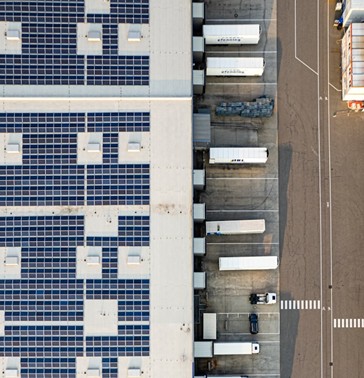
As energy prices climb, extreme weather becomes more frequent, and sustainability shifts from trend to necessity, property managers are under increasing pressure to future-proof their buildings and ensure operational resilience. One solution gaining momentum is on-site power generation - the ability to produce electricity directly at the property, reducing reliance on the centralized utility grid.
This approach includes technologies like solar panel systems, backup generators, microgrids, and combined heat and power (CHP) setups. These options offer greater energy independence and long-term cost control, while also aligning with broader environmental goals, particularly in regions with strong green initiatives, such as those supporting renewable energy in the Bay Area. However, adopting these systems also brings new considerations around maintenance, compliance, and system design.
In this article, we’ll outline what property managers need to know about on-site power generation, including the various system types, their advantages and challenges, financial and regulatory factors, and how to evaluate whether it’s the right investment for your property.
Whether you manage a multi-unit residential building, a commercial complex, a healthcare facility, or a mixed-use property, reliable power is essential. Interruptions can cause safety hazards, tenant complaints, and serious financial loss. On-site generation helps mitigate these risks and gives managers more control over their energy infrastructure.
Key Drivers for On-Site Power Generation:
By generating some or all of a building’s electricity on-site, property managers can enhance operational independence, reduce utility dependence, and potentially even contribute power back to the grid.
Several technologies are available for on-site power production, each with unique characteristics, costs, and maintenance requirements. The most common systems include:
Solar Photovoltaic (PV) Systems
How it works: Solar panels convert sunlight into direct current (DC) electricity, which is then converted to alternating current (AC) by inverters for use in buildings.
Pros:
Cons:
Solar PV is ideal for properties with ample roof space and daytime energy needs. Many property managers pair solar systems with battery storage to create a more resilient setup.
How it works: Typically powered by diesel or natural gas, these generators automatically kick in during a power outage to keep essential systems running.
Pros:
Cons:
Backup generators are a necessity for many commercial and residential properties but don’t contribute to long-term energy cost savings or sustainability goals.
How it works: Also known as cogeneration, CHP simultaneously generates electricity and useful heat from a single energy source (usually natural gas).
Pros:
Cons:
CHP is particularly useful for facilities like hospitals, universities, and high-occupancy residential complexes that require both heat and electricity.
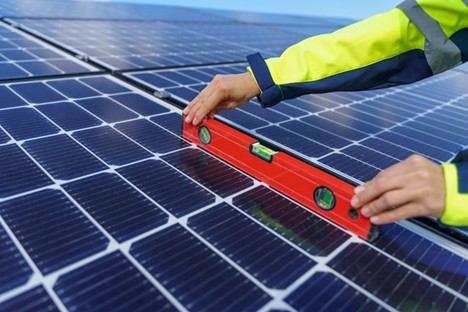
How it works: A microgrid is a localized energy system that can operate independently or in coordination with the main grid. It often combines multiple generation sources (e.g., solar, CHP, batteries) into one intelligent network.
Pros:
Cons:
Microgrids are an advanced solution for properties seeking long-term energy independence and maximum uptime, especially in areas with unreliable utility service.
Implementing on-site power generation isn’t as simple as flipping a switch. Property managers must consider a range of technical, financial, and logistical factors before moving forward.
Assessing Energy Needs
Start by understanding your property’s energy profile:
How much power is used daily, weekly, and seasonally?
Are there critical systems that must stay online?
What times of day does the property peak in usage?
An energy audit can help identify usage patterns and opportunities for savings.
Evaluate your property’s physical characteristics:
Is there available roof or ground space for solar panels?
Are there areas where generators can be safely installed?
What’s the access like for maintenance and fuel delivery?
Older buildings may face structural limitations, zoning restrictions, or electrical code challenges.
On-site power systems vary widely in cost, from a few thousand dollars for small generators to millions for full microgrids.
Financing options include:
Work with financial advisors or energy consultants to compare costs, ROI, and payback periods.
Ongoing maintenance is essential to ensure reliability and performance:
Be clear on who will handle maintenance - your staff, a third-party provider, or the system installer?
On-site generation is subject to local building codes, fire regulations, utility interconnection rules, and environmental standards. For example:
Work with experienced installers and permitting specialists to avoid delays and legal issues.
Tenants increasingly value sustainable and resilient properties. On-site power generation can:
Be transparent about how the system works, who benefits, and whether any disruptions are expected during installation.
As grid reliability becomes more uncertain and energy prices fluctuate, on-site power generation is no longer a luxury - it’s a strategic necessity. The right system can reduce operating expenses, boost property value, and position your building as a forward-thinking, resilient asset.
But it's not a one-size-fits-all solution. Smart property managers approach on-site generation with clear goals, careful planning, and professional guidance.
On-site power generation is a powerful tool in the modern property manager’s toolkit. Whether you’re looking to reduce costs, meet green building standards, or simply ensure tenants are never left in the dark, it pays to understand your options.
By taking a proactive approach - conducting an energy audit, assessing site readiness, evaluating financing, and working with knowledgeable partners - you can make informed decisions that serve your property and community for decades to come.







