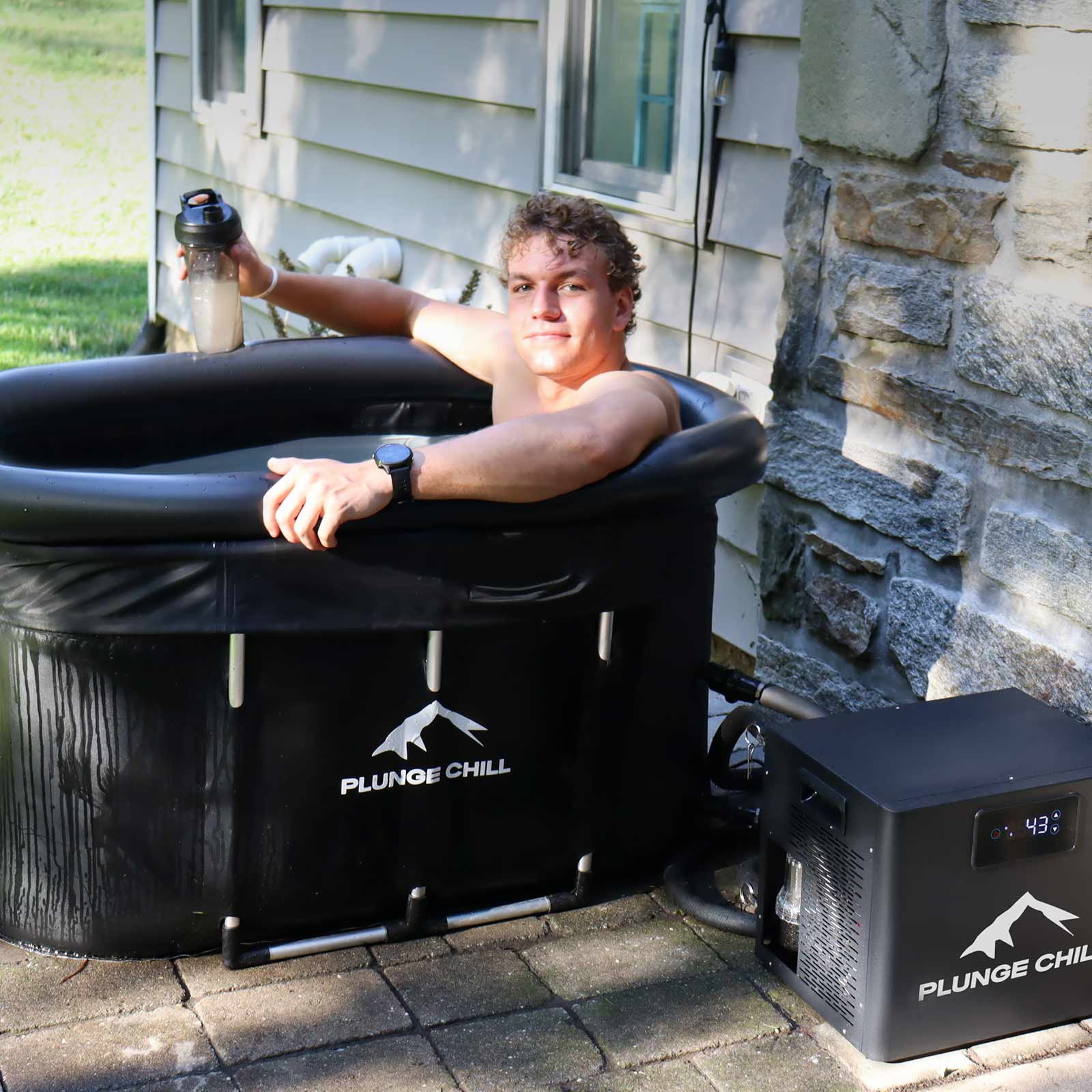
Elite marathon runners, professional football players, and Olympic athletes share a common vulnerability: their rigorous training schedules often compromise their immune defenses. Research shows that intense physical exertion triggers a temporary immune suppression window lasting three to seventy-two hours post-exercise, leaving athletes susceptible to infections precisely when they need optimal health. This phenomenon, known as the "open window" hypothesis, has driven sports scientists to seek effective recovery interventions. Cold plunge chiller units have emerged as precision tools that address this challenge directly. Unlike makeshift ice baths, these sophisticated systems deliver controlled cold exposure that activates immune-boosting physiological responses while accelerating recovery. Athletes using cold plunge chiller units report fewer sick days, reduced inflammation markers, and enhanced circulation that supports both immune function and performance gains. This article explores the science behind cold therapy's immune benefits, compares modern chiller systems to traditional methods, and provides actionable protocols for athletes seeking to strengthen their defenses while maximizing training adaptations through strategic cold immersion practices.
When the body encounters cold water, it initiates a controlled stress response that paradoxically strengthens immune defenses. This hormetic stress triggers the sympathetic nervous system, releasing norepinephrine and cortisol in measured doses that stimulate immune cell production rather than suppress it. Research published in the journal PLOS ONE demonstrated that individuals practicing regular cold exposure showed a 29% increase in circulating leukocytes—white blood cells essential for fighting pathogens. The mechanism centers on cold-induced activation of the hypothalamic-pituitary-adrenal axis, which signals bone marrow to accelerate immune cell production while simultaneously reducing pro-inflammatory cytokines like interleukin-6 and tumor necrosis factor-alpha.
For athletes, this inflammation reduction directly translates to faster recovery between training sessions. Cold immersion mitigates delayed onset muscle soreness by limiting the inflammatory cascade that follows intense exercise, allowing muscles to repair without excessive swelling. A study in the European Journal of Applied Physiology found that athletes using cold water immersion experienced 20% lower oxidative stress markers compared to passive recovery groups. This matters because oxidative stress depletes immune resources needed to combat infections. By controlling post-exercise inflammation through cold plunge chiller unit protocols, athletes maintain the delicate balance between training adaptation and immune resilience, closing that vulnerable "open window" more rapidly while preserving the cellular signals necessary for strength and endurance gains.
Cold immersion creates a vascular pumping effect through alternating vasoconstriction and vasodilation. Initial cold exposure constricts blood vessels, pushing metabolic waste products like lactate away from muscle tissue. Upon exiting the cold plunge chiller unit, vessels rapidly dilate, flooding tissues with oxygen-rich blood carrying amino acids, glucose, and immune cells. This circulation improvement accelerates muscle repair by delivering building blocks precisely when damaged fibers need them most. The repeated vascular flushing also enhances mitochondrial density over time, improving the muscles' capacity to generate energy and resist fatigue during subsequent training sessions.
Traditional ice bath tubs demand constant attention and unpredictable temperature management. Athletes must purchase bags of ice repeatedly, monitor melting rates, and tolerate fluctuating water temperatures that compromise protocol consistency. A single session might require 40-80 pounds of ice, with costs accumulating to hundreds of dollars monthly for serious training programs. Cold plunge chiller units eliminate this variability through digital thermostats that maintain precise temperatures within 0.5-degree tolerances, ensuring each immersion delivers identical physiological stimulus. This consistency proves critical for immune adaptation, as research shows that temperature variations beyond two degrees can alter hormonal responses and reduce therapeutic effectiveness.
Hygiene presents another decisive advantage. Stagnant ice bath water becomes a bacterial breeding ground within hours, particularly when multiple athletes share the same tub. Cold plunge chiller units integrate filtration systems with UV sterilization or ozone purification, circulating water through multi-stage cleaning processes that maintain hospital-grade sanitation between uses. This matters for immune-compromised athletes who cannot risk infections from contaminated water. Space considerations favor chiller units as well—modern designs occupy similar footprints to traditional tubs but eliminate the need for adjacent freezer storage for ice supplies. While initial investment costs run higher, chiller units typically achieve cost parity within 18-24 months through eliminated ice purchases, reduced water waste, and lower maintenance labor. Users consistently report superior experiences with chiller units, citing effortless temperature adjustments, programmable session timers, and the psychological confidence that comes from knowing each plunge delivers scientifically validated cold exposure rather than guesswork approximations.
Endurance athletes and strength trainers require fundamentally different cold immersion protocols to maximize athletic performance enhancement without compromising training adaptations. Endurance runners and cyclists benefit from 10-15 minute immersions at 50-59°F (10-15°C) within thirty minutes post-workout, targeting inflammation reduction while preserving cardiovascular adaptations. Strength athletes, however, face a critical consideration: excessive cold exposure immediately after resistance training can blunt muscle protein synthesis by suppressing mTOR signaling pathways essential for hypertrophy. Research in the Journal of Physiology suggests strength athletes should delay cold plunges four to six hours post-lifting or reserve them exclusively for rest days and competition recovery periods, using slightly warmer temperatures of 59-64°F (15-18°C) to support immune function without interfering with growth signals.
Timing strategies dramatically influence outcomes. Athletes prioritizing immune support during high-volume training blocks should implement cold plunges on consecutive days to sustain elevated leukocyte production, while those in strength-focused mesocycles might limit sessions to twice weekly. Temperature selection matters equally—colder immersions below 50°F amplify immune stimulation but increase recovery demands, making them ideal for off-season conditioning rather than competition preparation. The most common mistakes include excessive duration beyond twenty minutes, which shifts cold exposure from hormetic stress to counterproductive suppression, and daily immersions during peak training phases that can accumulate fatigue. Strategic cold plunge chiller unit protocols respect training periodization, intensifying immune support during vulnerable phases while moderating exposure when adaptation signals must remain undisturbed for performance gains.
Proper body positioning ensures uniform cold exposure across major muscle groups. Submerge to neck level with arms underwater rather than draped over the tub edge, as limb exposure reduces therapeutic effectiveness by thirty percent. Controlled breathing counters the initial cold shock response—inhale slowly through the nose for four counts, hold briefly, then exhale through pursed lips for six counts, activating parasympathetic calming mechanisms that lower heart rate and reduce perceived discomfort. Beginners should follow progressive acclimation schedules starting with 3-5 minute sessions at moderate temperatures around 60°F, adding one minute weekly while gradually decreasing temperature by two degrees monthly until reaching optimal ranges. Cold immersion pairs exceptionally well with compression garments worn immediately afterward to sustain circulation benefits, and with targeted nutrition protocols featuring anti-inflammatory foods like tart cherry juice and omega-3-rich fish consumed within the post-plunge hour to amplify recovery signaling pathways.
Phase 1 begins thirty minutes before immersion with proper hydration—consume 16-20 ounces of water to support thermoregulation and prevent blood pressure spikes during cold exposure. Assess your current state: skip cold plunges if experiencing active infections, open wounds, or cardiovascular irregularities. Set your cold plunge chiller unit to your target temperature, allowing fifteen minutes for stabilization. Phase 2 requires controlled entry rather than sudden plunging. Step in gradually over 30-60 seconds, allowing your breath to stabilize before full submersion. This measured approach prevents hyperventilation and allows your nervous system to adapt without triggering panic responses that elevate cortisol beyond therapeutic ranges.
Phase 3 targets the immune-optimizing duration window of 11-15 minutes at temperatures between 50-59°F. Research indicates that leukocyte mobilization peaks during this timeframe, while shorter sessions fail to trigger sufficient immune activation and longer exposures risk counterproductive stress hormone accumulation. Maintain neck-deep immersion with steady nasal breathing throughout. Phase 4 focuses on strategic rewarming—exit slowly, towel dry thoroughly, and dress in warm layers rather than using hot showers, which can cause dangerous blood pressure fluctuations. Light movement like walking for five minutes promotes gradual circulation restoration. For chiller unit maintenance, test water pH weekly, maintaining 7.2-7.8 levels, and clean filters bi-weekly according to manufacturer specifications to preserve water quality that protects rather than challenges immune function.
Seasonal variations demand protocol adjustments to maintain immune resilience throughout annual training cycles. Winter athletes should increase cold plunge frequency to three sessions weekly at slightly warmer temperatures of 55-60°F, as environmental cold already stresses thermoregulation systems. Summer training blocks tolerate more aggressive protocols—four weekly immersions at 48-54°F capitalize on heat-stressed immune systems that benefit from deeper cold stimulation. Combining cold therapy with targeted nutrition amplifies immune protection: consume 20-30 grams of whey protein within thirty minutes post-plunge to support both muscle recovery and immunoglobulin production, while vitamin D supplementation during winter months addresses deficiencies that compound cold-weather immune vulnerability.
Monitoring biomarkers transforms cold plunge protocols from guesswork to precision interventions. Athletes tracking morning cortisol levels can identify overtraining—sustained elevations above 15 mcg/dL signal excessive stress requiring reduced cold exposure frequency. C-reactive protein testing every eight weeks reveals inflammation trends, with readings below 1.0 mg/L indicating optimal recovery balance. Elite triathlete Sarah Chen reduced her annual infection days from eighteen to four after implementing biomarker-guided cold therapy, adjusting immersion duration based on weekly CRP measurements. Professional soccer teams using systems like Plunge Chill report 35% fewer soft tissue injuries across seasons compared to traditional recovery methods, attributing improvements to sustained immune function that prevents minor inflammation from escalating into training-disrupting conditions.
Cold plunge chiller units deliver measurable immune and performance advantages through controlled cold exposure that activates leukocyte production, reduces inflammatory markers, and accelerates recovery cycles. Unlike traditional ice bath tubs requiring constant ice replenishment and temperature guesswork, modern chiller systems provide precision thermoregulation, integrated filtration, and consistent therapeutic stimulus that athletes can rely on throughout demanding training schedules. The science confirms what elite performers experience firsthand: strategic cold immersion protocols close the post-exercise immune vulnerability window while preserving the adaptation signals necessary for strength and endurance gains. Athletes implementing the evidence-based routines outlined here—proper timing relative to training type, progressive temperature acclimation, and biomarker-guided adjustments—position themselves for sustained competitive excellence with fewer illness interruptions. As sports science continues validating cold therapy's role in longevity and injury prevention, cold plunge chiller units represent not merely recovery tools but foundational investments in athletic careers built on consistent health and optimized performance capacity across seasons and competitive years.