
Trusted Local News

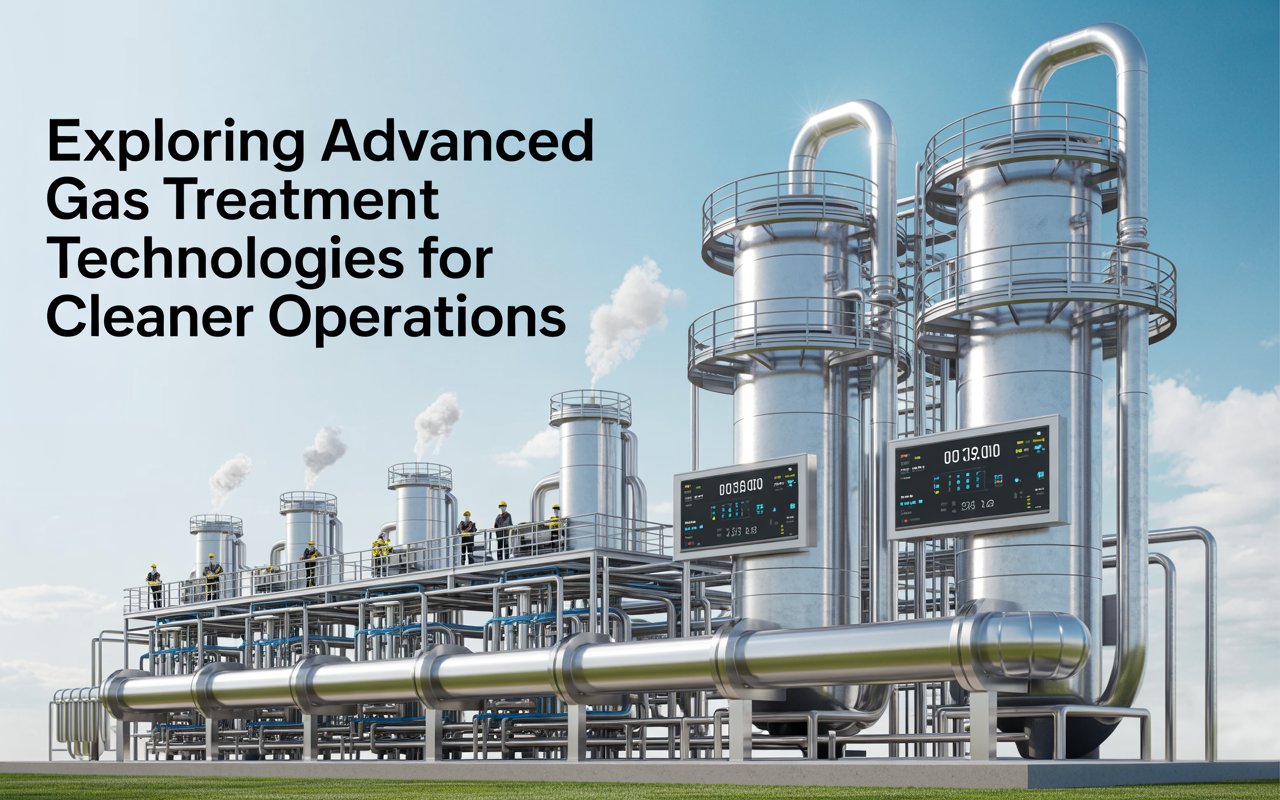
Exploring Advanced Gas Treatment Technologies for Cleaner Operations

In industries like petrochemicals, oil and gas, and wastewater treatment, managing gaseous emissions is a critical part of maintaining safety and operational efficiency. 

Industrial processes often generate hydrogen sulfide (H2S), ammonia (NH₃), and volatile organic compounds such as mercaptans, all of which are notorious for their strong odors, toxicity, and corrosive effects.

These emissions create constant challenges like preventing odor complaints, ensuring worker safety, and meeting increasingly strict environmental regulations. 

Gas Treatment Technologies were designed to capture, neutralize, or convert hazardous gases before they reach the atmosphere.

With regulatory standards tightening across the US and the public more aware of industrial impacts, adopting advanced gas treatment systems is essential for sustainable growth and brand credibility.

What Are Gas Emissions and Their Impact?

Most industrial and chemical processes that handle hydrocarbons, sulfur compounds, or organic materials produce byproducts that become airborne if untreated. For example:

  • Hydrogen sulfide (H2S): Commonly generated during oil refining, natural gas processing, and wastewater treatment.

  • Ammonia (NH₃): Often released from fertilizer manufacturing and storage facilities.

  • Mercaptans and VOCs: Emitted during crude oil handling, pulp and paper production, and food processing operations.

These gases, though often present in low concentrations, pose disproportionate risks due to their high toxicity and strong odors.

What are the key risks?

  1. Safety concerns: H2S exposure can be lethal even at low ppm levels, while ammonia is both toxic and corrosive.

  2. Equipment degradation: Corrosive gases damage metal surfaces and piping, leading to higher maintenance costs.

  3. Regulatory compliance: The US Environmental Protection Agency (EPA) enforces strict limits on hazardous air pollutants (HAPs) under the Clean Air Act, with non-compliance resulting in hefty fines and operational shutdowns.

  4. Community relations: Odor complaints from surrounding communities can quickly escalate into public relations and legal issues

In short, unmitigated gas emissions threaten both operational continuity and corporate reputation.

What Are The Core Gas Treatment Technologies?

Choosing the right gas treatment system starts with understanding the major technology families and their core strengths. Each approach addresses different gas profiles, flow rates, and process conditions.

1. Chemical Scrubbing and Scavengers

Chemical scrubbers use reactive solutions to absorb and neutralize harmful gases. Scavengers, which are often liquid or solid compounds, are particularly effective for removing hydrogen sulfide and mercaptans from natural gas streams.

Advantages:

  • Rapid and reliable removal efficiency.
  • Suitable for varying gas concentrations.
  • Compact systems with customizable chemistry.

Considerations:

  • Chemical replacement and disposal costs.
  • Corrosivity of reagents.
  • Need for continuous monitoring to maintain reaction efficiency.

Many facilities employ regenerative scrubbers that recycle the chemical solution, reducing waste and improving cost efficiency.

2. Biofiltration

Biofiltration uses microorganisms to break down odorous compounds into harmless substances like carbon dioxide, water, and sulfate.

Why it’s gaining traction:

  • Lower operational costs than chemical systems.
  • Minimal chemical usage.
  • Environmentally friendly and suitable for low to medium gas loads.

Biofilters are increasingly being used in wastewater treatment plants and food processing facilities. However, they require stable temperature and humidity conditions to maintain microbial health.

3. Activated Carbon Adsorption

Activated carbon is a workhorse for polishing low-concentration or intermittent emissions. Its porous structure traps a wide range of organic molecules and sulfur compounds.

Strengths:

  • High efficiency for low gas concentrations. 
  • Simple design and easy maintenance.
  • Regenerable or replaceable carbon media.

Limitations:

  • Less effective for humid or high-temperature streams.
  • Media saturation requires regular replacement schedules.

This method is especially effective for odor control systems or as a final polishing step after primary treatment.

4. Thermal and Catalytic Oxidation

For high-volume or high-concentration gas streams, oxidation technologies destroy pollutants through combustion or catalytic reactions.

  • Thermal oxidation uses heat, typically 800 to 1200°C, to convert VOCs and H2S into harmless gases.

  • Catalytic oxidation operates at lower temperatures by using catalysts like platinum or palladium, reducing fuel consumption.

Key benefits of this method:

  • High destruction efficiency, up to 99.9%.
  • Effective for a broad range of hydrocarbons.
  • Proven technology for large-scale industrial facilities.

Challenges:

  • Higher capital and energy costs.
  • Requires careful temperature and catalyst control.

These systems are ideal for refineries and chemical plants handling high-throughput gas flows.

How To Choose the Right Solution?

No single technology fits all situations. The optimal solution depends on gas composition, flow rate, facility design, and sustainability targets.

Below are the factors to consider when making a decision about the best gas treatment solution:

  • Identify the gas profile: Concentrations, toxicity, and variability over time.

  • Assess operating conditions: Flow rate, temperature, and moisture levels.

  • Consider facility constraints: Available space, maintenance capacity, and existing infrastructure.

  • Evaluate sustainability goals: Reagent recycling, energy efficiency, and waste reduction.

Many modern facilities adopt hybrid systems that combine multiple approaches to achieve higher reliability and lower operating costs.

What Are The Future Trends in Gas Treatment?

As gas treatment systems evolve, three science-backed trends are reshaping how US industrial operators manage emissions in 2025 and beyond.

1. Smarter, IoT-Driven Monitoring

Recent studies show that connected sensors and AI analytics are transforming gas treatment into a predictive, data-driven process.

  • 2025 MDPI study demonstrated IoT-based ammonia monitoring capable of detecting real-time concentration peaks around 570 ppm, the variations that manual inspections would miss.

  • The IEEE World Forum on IoT 2025 outlined multi-layered architectures combining sensor terminals, analytics platforms, and AI-driven alerts for industrial gas detection.

2. Greener Scavengers and Low-Impact Chemicals

Sustainability goals are driving the development of biodegradable scavengers and non-toxic reagents.

  • 2025 RSC Advances review highlighted biodegradable oxygen scavengers that avoid iron waste and improve recyclability.

  • Materials research continues to produce degradable polymers suitable for next-gen absorption media.

Closing Thoughts

The path to cleaner and safer operations lies in understanding and applying the right gas treatment technologies

As industries face mounting pressure to decarbonize and operate sustainably, decision-makers in oil and gas must view gas treatment not as a cost center but as a strategic investment. 

Facilities can safeguard their people, their equipment, and their reputation by integrating advanced, science-driven solutions.


author

Chris Bates

"All content within the News from our Partners section is provided by an outside company and may not reflect the views of Fideri News Network. Interested in placing an article on our network? Reach out to [email protected] for more information and opportunities."

STEWARTVILLE

JERSEY SHORE WEEKEND

LATEST NEWS

Events

December

S M T W T F S
30 1 2 3 4 5 6
7 8 9 10 11 12 13
14 15 16 17 18 19 20
21 22 23 24 25 26 27
28 29 30 31 1 2 3

To Submit an Event Sign in first

Today's Events

No calendar events have been scheduled for today.





