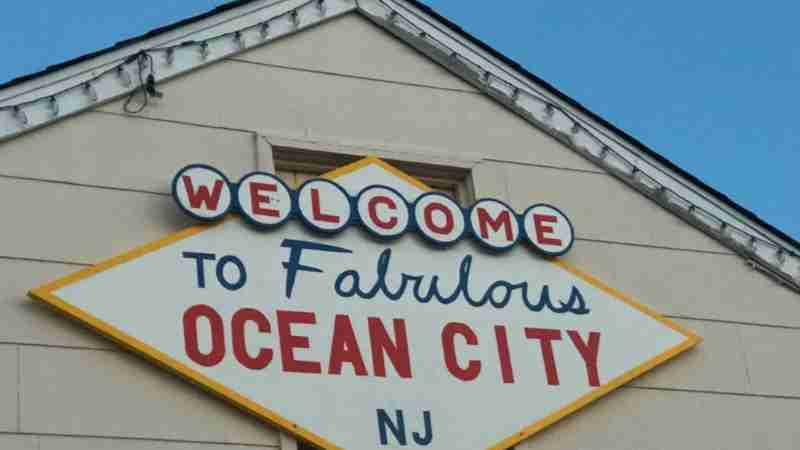
Local businesses are discovering that storytelling isn't just for novels, it is becoming one of the most effective ways to attract real visitors to physical events and shared experiences. A clear example can be seen in Ocean City, where a recent winter celebration welcomed the season with lights, music and family-friendly happenings that felt woven into a single festive narrative.
The atmosphere encouraged people to linger, explore nearby shops and enjoy the moment together. That sense of shared experience helped local businesses step into the spotlight without relying on loud or pushy promotion.
That kind of story-driven approach shows how events can become more than simple gatherings. By creating experiences that follow a theme or emotional arc, shops, cafés, galleries, and other local enterprises shape moments that feel personal and memorable. The secret lies in weaving narrative into every touchpoint, from the invitation to the decor to the follow-up social post.
When a business frames an event as more than a sale or a quick social stop, emotional connection begins to form. A coffee shop might invite patrons to travel through time with a 1950s-themed brunch, complete with vintage records and a local band. A boutique could create a behind-the-seams evening where guests hear the story of an artisan's craft while enjoying refreshments. Each idea turns a routine visit into an experience worth talking about.
Storytelling is transforming Ocean City's winter celebration into a compelling series of events that turn local shops into must-visit destinations by fostering a sense of community and memorable experiences.
That same approach becomes even more effective when it aligns with community rhythms and local traditions. Seasonal celebrations, neighborhood history and shared cultural moments give businesses a natural backdrop for storytelling. A story-rich atmosphere encourages visitors to stay longer and explore nearby shops and restaurants instead of simply passing through. Guests start to feel part of something meaningful rather than walking into a generic event.
Numbers support this shift too. Research shows that about 78% of event organizers consider in-person events their most impactful marketing channel. Another report notes that 77% of marketers rank events as the most effective way to deepen engagement and build brand loyalty. These insights highlight a practical truth. Thoughtfully designed events grounded in narrative often deliver stronger results than straightforward promotions.
Success begins by choosing a story that feels authentic to the area. Businesses benefit from asking what makes their neighborhood unique and how local history, seasonal changes or community milestones can shape the tone of an event.
From there, the focus turns to how guests step into that story. Music, themed decor, interactive stations and guided experiences all help bring it to life. Some organizers even work with a keynote speaker agency such as PepTalk to bring in engaging voices who strengthen the overall atmosphere and leave a lasting impression.
Real impact also depends on honesty in promotion. Under U.S. marketing rules, promotional claims must be truthful and not misleading. Any promise made to attract visitors should reflect the actual experience. If an event is promoted as immersive or exclusive, the on-site experience must live up to that promise. Trust plays a major role in whether visitors return or recommend the business to others.
Once the event ends, the story should continue naturally. Sharing images, short videos and customer reflections allows the experience to live on beyond the day itself. That follow-up content keeps the memory fresh and introduces the story to those who were not able to attend. New visitors then arrive already curious and emotionally connected.
Story-driven events give local businesses a way to stand out in a world crowded with routine promotions. Instead of feeling like another advertisement, the experience feels warm, genuine, and human. By embracing narrative, respecting marketing standards and creating moments that feel real, businesses invite people not just to visit, but to take part in something worth remembering.