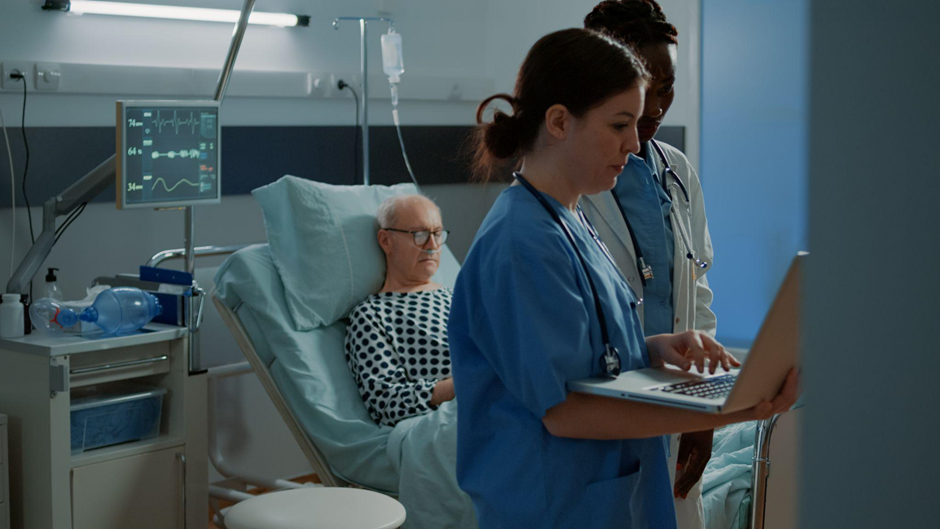
The healthcare system cannot afford to stop, let alone fail. A successful cyberattack can be fatal, putting lives, sensitive data, and continuity of care at risk. In a hostile digital environment, strategic and resilient measures are essential. Managed detection and response providers have emerged as key allies thanks to their ability to anticipate threats, respond in real time, and adapt to complex infrastructures like modern hospital networks.
IT teams in healthcare face constant pressure: they must protect critical information, comply with regulations like HIPAA, and avoid wasting resources on false alerts. Levelblue, a leading MDR provider, offers a solution tailored to these demands. Its approach combines advanced threat detection, intelligent automation, and expert human oversight, ensuring continuous protection without disrupting operations.
In ecosystems where medical devices, clinical records, multicloud systems, and regulated environments coexist, cybersecurity cannot rely on generic solutions. MDR services that integrate technologies like SIEM, EDR, and Threat Intelligence Platforms enable effective threat management tailored to the specific needs of the healthcare sector. Choosing the right provider is critical.
In recent years, healthcare has become a prime target for cybercriminals. Its databases contain vast amounts of confidential patient information, medications, and treatment protocols, assets with immense value on the black market. Worse yet, a deliberate disruption in operations can have life-threatening consequences.
According to Health-ISAC, in 2024 and early 2025, 90% of healthcare organizations experienced at least one cyberattack attempt.[1] The digitization of clinical records, system interoperability, and connected devices has expanded the attack surface, exposing hospitals to critical risks.
But it’s not just about the volume of threats; operational overload is also a concern. 67% of hospitals report that their IT teams are overwhelmed, making it harder to respond effectively.[2] Excessive alert volume, combined with a shortage of specialized talent, jeopardizes continuity of care and demands solutions that prioritize automation without sacrificing expert oversight.
Ransomware has become one of the most frequent and dangerous threats. Its severity lies in its direct impact on system availability and patient care, with serious reputational consequences. In healthcare, the stakes are higher than in most other sectors.
Managed detection and response providers offer a strategic alternative. Their proactive approach, based on technologies like SIEM, EDR, and Threat Intelligence, helps reduce exposure time and ease the burden on internal teams. For healthcare, partnering with a trusted MDR provider like Levelblue directly enhances operational functionality and patient safety.
As mentioned, the healthcare sector must operate without interruptions. Managed detection and response providers offer comprehensive coverage designed to protect sensitive data, medical devices, and critical systems. But what are the key benefits of integrating MDR into a healthcare cybersecurity strategy?
MDR services enable round-the-clock monitoring of clinical infrastructure, detecting threats before they cause damage. This 24/7 vigilance is paired with proactive vulnerability hunting, allowing institutions to anticipate targeted attacks. For example, a hospital can detect unauthorized access attempts to its scheduling system before patient care is affected. Integration and Scalability
Healthcare environments involve diverse technologies, from electronic health records to connected devices. A reliable MDR provider must integrate seamlessly with existing systems like SIEM and EDR. In multi-site clinics, scalability ensures that all access points are protected without duplicating costs or operational complexity.
Incident management in healthcare requires precise, real-time information. Top MDR providers offer regular reports, live updates during critical events, and dedicated communication channels. Levelblue, for instance, assigns specialists who act as direct liaisons with clinical teams, helping guide decisions during ransomware attempts targeting medical systems.
From tablets in operating rooms to lab workstations, endpoints are common entry points for attackers. EDR tools monitor these devices, detect unusual behavior, and contain threats before they spread. In a diagnostic center, for example, EDR can block a malicious file attempting to infiltrate via a USB connected to an imaging device.
Threat Intelligence Platforms gather global data on emerging threats and contextualize it for healthcare. This allows MDR services to anticipate specific attack vectors, such as phishing campaigns targeting administrative staff handling patient data. In hospitals with high staff turnover, this intelligence helps prevent breaches caused by human error.
Advanced MDR providers use machine learning to identify behaviors that traditional systems miss. These algorithms learn from new data, detect zero-day vulnerabilities, and recognize sophisticated patterns. Levelblue applies this technology to protect hospital networks that connect multiple devices, preventing threats from spreading across telemedicine systems and other services.
Healthcare cybersecurity is undergoing a paradigm shift. The new standard demands anticipation. Managed detection and response providers are integrating predictive analysis, clinical AI, and multicloud event correlation to identify risks before it’s too late. This evolution redefines protection in hospital environments and brings healthcare up to par with sectors like finance and retail.
Automation is also evolving. Machine learning algorithms will not only detect anomalies but also learn from clinical behavior to distinguish between legitimate and malicious activity. Levelblue is already working to integrate these adaptive models into its MDR service, delivering protection that evolves alongside the healthcare system.
In this new landscape, faultless and secure operations will depend on MDR providers capable of acting proactively. The combination of advanced detection, automated response, and human expertise will be key to safeguarding medical care, sensitive data, and institutional trust. The future of MDR in healthcare is now, and there’s no time to waste.
References: