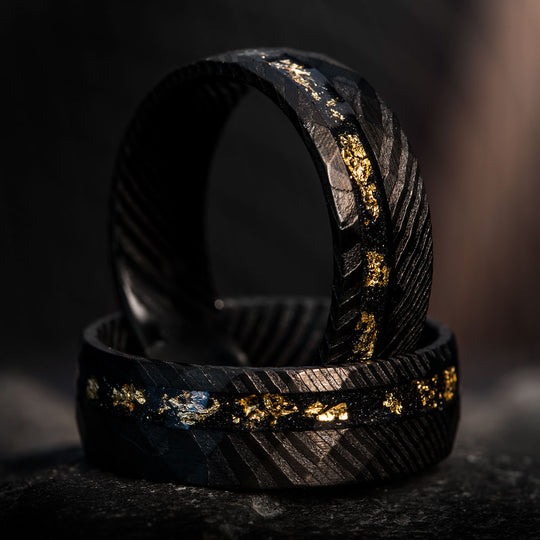
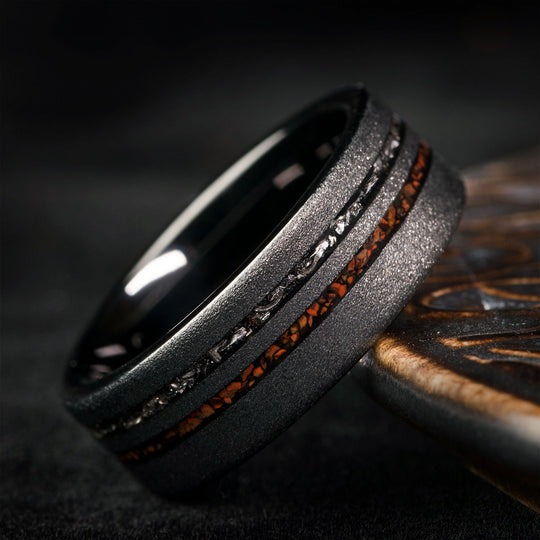
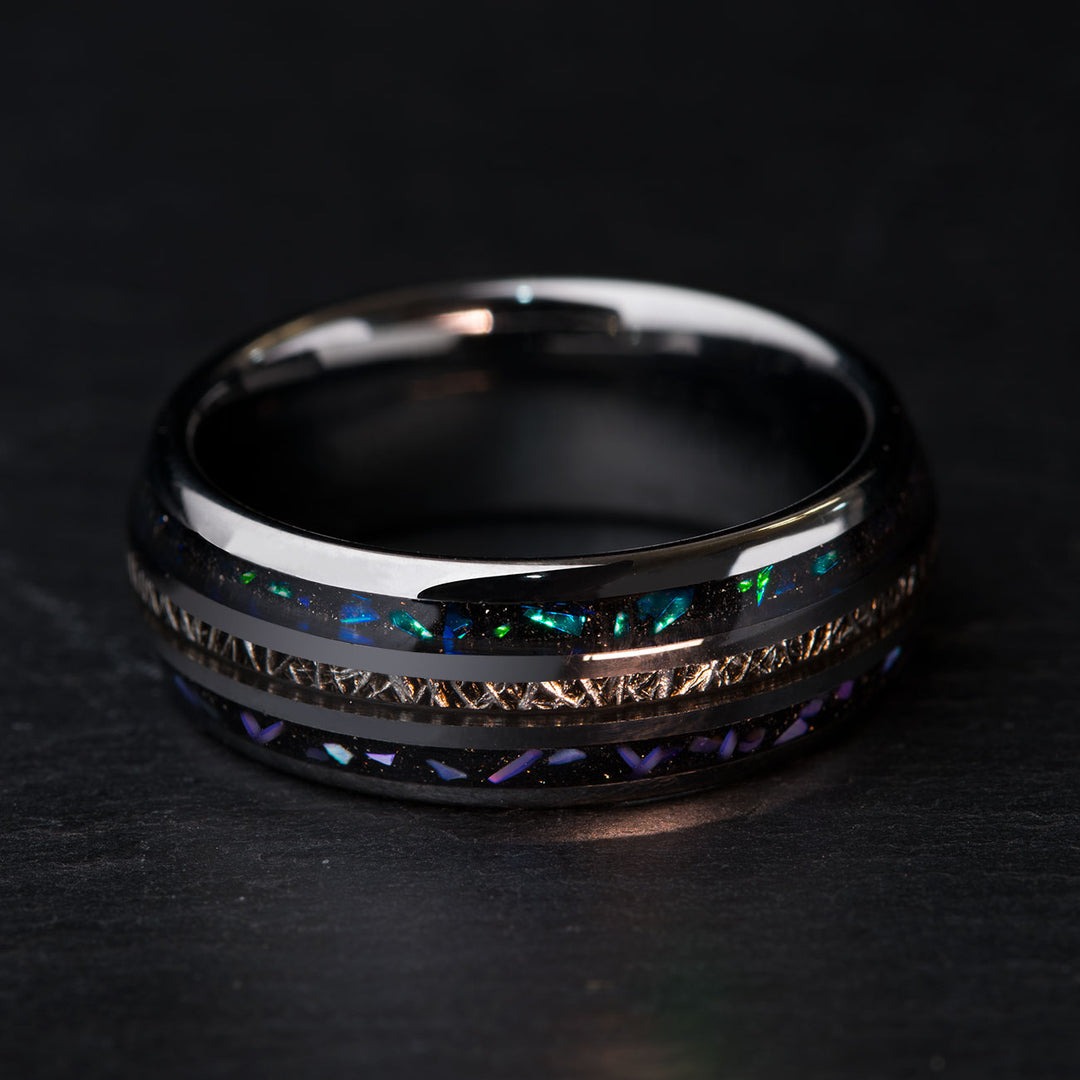
Meteorite rings have captured the imagination of jewelry enthusiasts and romantics alike, offering something truly extraordinary that no earthbound material can match. These remarkable pieces contain fragments of ancient space rocks that have journeyed millions of miles through the cosmos before landing on our planet. Unlike traditional jewelry crafted from terrestrial metals and stones, meteorite rings carry with them the mystery and wonder of the universe itself.
The appeal of meteorite rings extends far beyond their otherworldly origins. Each ring tells a story billions of years in the making, featuring distinctive patterns and textures that cannot be replicated or found anywhere else on Earth. For those seeking meaningful symbolism in their jewelry choices, meteorite rings represent a powerful connection to something greater than ourselves. Whether chosen for weddings, anniversaries, or personal adornment, these cosmic treasures offer wearers a tangible piece of the stars and a constant reminder of the vast, awe-inspiring universe we inhabit.
Meteorite rings are jewelry pieces crafted from actual fragments of meteorites that have fallen to Earth from space. These cosmic materials originate from the asteroid belt between Mars and Jupiter, where collisions send debris hurtling through the solar system. When these fragments survive their fiery passage through Earth's atmosphere and impact our planet's surface, they become meteorites available for collection and crafting into wearable art.
The most commonly used meteorites in ring making are iron meteorites, particularly those classified as octahedrites. These ancient space rocks contain a distinctive crystalline structure formed over millions of years as molten metal slowly cooled in the zero-gravity environment of space. When cut, polished, and etched with acid, they reveal breathtaking geometric patterns known as Widmanstätten patterns—intersecting lines that create mesmerizing visual textures unique to each piece. Jewelers typically inlay meteorite material into bands made from more durable metals like titanium, tungsten, or precious metals to create rings that balance cosmic authenticity with everyday wearability. The result is a piece of jewelry that literally contains material older than Earth itself, offering wearers a tangible connection to the ancient history of our solar system.
The journey of a meteorite ring begins billions of years ago during the formation of our solar system. As planets coalesced from cosmic dust and debris, some material remained in the asteroid belt, forming the parent bodies of meteorites. These asteroids contained cores of molten iron and nickel that cooled incredibly slowly over millions of years—approximately one degree Celsius every million years. This glacial cooling process allowed metal crystals to grow and interlock in distinctive geometric patterns that would become the signature feature of meteorite jewelry.
When these asteroids collided with each other, fragments were ejected into space, eventually crossing paths with Earth's orbit. Upon entering our atmosphere, most burn up completely, but the iron-rich pieces that survive impact create the raw material for meteorite rings. Craftsmen carefully cut and shape these fragments, then treat them with acid etching to reveal the hidden Widmanstätten patterns beneath the oxidized surface. This transformation from space rock to wearable jewelry preserves the meteorite's cosmic history while making it suitable for daily wear.
The primary components of meteorite rings are iron and nickel, typically in a ratio of approximately 90% iron to 10% nickel, though this varies depending on the specific meteorite. This alloy composition gives meteorites their remarkable strength and distinctive metallic luster. Beyond these main elements, meteorites often contain trace amounts of cobalt, phosphorus, sulfur, and carbon, along with rare minerals like troilite and schreibersite that don't naturally occur on Earth's surface.
The crystalline structure within meteorite material consists of two main iron-nickel phases: kamacite and taenite. These crystals formed as the molten metal cooled in space, creating interlocking plates that produce the characteristic Widmanstätten patterns when revealed through etching. The specific pattern and crystal size in each meteorite depend on its cooling history and original position within its parent asteroid. Because modern ring wearers need durability and rust resistance, jewelers often combine meteorite inlays with protective metals or apply specialized coatings. This preserves the meteorite's cosmic composition while ensuring the ring withstands exposure to moisture and daily activities without degrading.
Meteorite rings carry profound symbolic meaning that resonates deeply with those who wear them. At their core, these rings represent the eternal and timeless nature of love and commitment, as the material predates human civilization by billions of years. Choosing a meteorite ring acknowledges that some bonds transcend earthly limitations, connecting two people through something that has witnessed the birth of stars and the formation of planets. This cosmic perspective elevates the symbolism beyond traditional jewelry, suggesting that the relationship it represents is written in the stars themselves.
Beyond romance, meteorite rings symbolize strength forged through adversity. Just as the meteorite survived a violent journey through space and a fiery descent through Earth's atmosphere, relationships endure their own trials and emerge stronger. The unique patterns within each meteorite reflect individuality and the understanding that no two love stories are identical. For many wearers, these rings also represent adventure, curiosity, and a willingness to embrace the extraordinary rather than settle for the conventional. They serve as daily reminders to maintain perspective, recognizing that we are all part of something infinitely larger than ourselves. This connection to the universe can inspire humility, wonder, and appreciation for the rare and precious moments we share with those we love.
Wearing a meteorite ring creates an intimate connection with the cosmos that few other possessions can provide. This isn't merely poetic symbolism—it's a literal truth. The iron and nickel atoms in your ring existed in the primordial cloud that formed our solar system, witnessed the birth of the sun, and traveled through the vacuum of space for eons before reaching your finger. This tangible link to the universe helps wearers maintain perspective during life's challenges, reminding them that their existence is part of an incomprehensibly vast and ancient story.
The cosmic connection also speaks to our fundamental human desire to explore and understand what lies beyond our immediate world. For couples, sharing this connection through matching mens wedding band meteorite symbolizes a partnership that looks outward together, embracing wonder and discovery as shared values. The ring becomes a conversation starter about humanity's place in the universe, our scientific achievements in identifying and studying these space travelers, and the humbling realization that we're all made of stardust. This perspective can deepen relationships by anchoring them in something permanent and universal.
The Gibeon meteorite holds special significance in the world of meteorite jewelry and carries its own unique symbolism. Discovered in Namibia in the 1830s, this meteorite field has provided some of the finest specimens for ring making, prized for their exceptionally clear and beautiful Widmanstätten patterns. The Gibeon meteorite is estimated to have fallen to Earth approximately 30,000 years ago, meaning it has been part of our planet's story throughout much of human history, silently waiting in the African desert to be discovered and appreciated.
Rings crafted from Gibeon meteorite symbolize patience, destiny, and perfect timing. Just as this cosmic material waited millennia to be found and transformed into art, relationships often develop when the time is right rather than when we expect them. The Gibeon's particularly stable composition and stunning visual characteristics make it ideal for jewelry, symbolizing a relationship built on solid foundations with natural beauty that doesn't require artificial enhancement. For many, choosing a Gibeon meteorite ring represents an appreciation for authenticity and the belief that the best things in life are worth waiting for, arriving exactly when they're meant to.
Beyond their symbolic significance, meteorite rings offer compelling practical advantages that make them excellent choices for everyday wear. Their distinctive appearance ensures that no two rings are exactly alike, giving wearers truly one-of-a-kind jewelry without the premium prices often associated with custom designs. The natural patterns within meteorite material mean each ring possesses inherent uniqueness that cannot be mass-produced or replicated, offering exclusivity that appeals to those who value individuality in their personal style.
Meteorite rings also provide remarkable value when considering their rarity and cosmic origins. While precious metals and gemstones are certainly valuable, they remain terrestrial materials that can be mined from various locations worldwide. Meteorite material, by contrast, comes from a finite supply that can never be replenished, making these rings genuinely irreplaceable. The conversation-starting nature of meteorite rings adds another practical dimension—they naturally invite questions and provide opportunities to share their fascinating backstory. For couples choosing wedding bands, this creates a meaningful narrative around their commitment that goes beyond conventional symbolism. Additionally, the combination of meteorite inlays with durable modern metals creates rings that balance exotic appeal with structural integrity, ensuring they can withstand the rigors of daily activities while maintaining their cosmic character and visual impact throughout years of wear.
The visual appeal of meteorite rings stems from their distinctive Widmanstätten patterns, which create geometric designs that appear both ancient and futuristic simultaneously. These crystalline structures form intersecting lines and angular shapes that catch light differently depending on the viewing angle, giving the rings a dynamic quality that changes throughout the day. The metallic sheen of polished meteorite ranges from silvery-gray to darker charcoal tones, providing a sophisticated neutral palette that complements various styles and other jewelry pieces without clashing.
The aesthetic versatility of meteorite rings allows them to suit both minimalist and bold design preferences. When set against darker metals like black zirconium or carbon fiber, the meteorite patterns create striking contrast and modern appeal. Paired with precious metals like gold or platinum, they achieve a more classic, refined appearance. The natural texture of meteorite material adds depth and visual interest without requiring additional embellishment, though some designs incorporate gemstones or Damascus steel for enhanced artistry. This organic beauty requires no artificial enhancement, appealing to those who appreciate authentic materials that showcase nature's—or in this case, the universe's—inherent artistry.
Meteorite rings demonstrate impressive durability when properly crafted and maintained, though they require different care than traditional metal bands. The iron-nickel composition provides inherent strength that has already proven itself by surviving the extreme conditions of space travel and atmospheric entry. When meteorite material is inlaid into protective sleeve metals like titanium or tungsten, the resulting ring can withstand significant daily wear, including minor impacts and scratches that would damage softer precious metals.
However, meteorite's iron content makes it susceptible to oxidation when exposed to moisture, requiring specific maintenance practices. Applying a thin coat of renaissance wax or specialized sealant every few months creates a protective barrier against humidity and water exposure. Removing the ring during activities involving prolonged water contact—swimming, showering, or washing dishes—significantly extends its pristine appearance. If surface rust does appear, gentle cleaning with a soft cloth and reapplication of sealant typically restores the ring's luster. Many jewelers, including specialists like Saga Bands, offer refinishing services that can re-etch the Widmanstätten patterns if they fade over time. With these straightforward care routines, meteorite rings maintain their cosmic beauty and structural integrity for decades, proving that materials forged in space can indeed withstand the test of earthly time.
Meteorite rings represent far more than beautiful jewelry—they embody profound symbolism that connects wearers to the cosmos, ancient history, and timeless concepts of love and commitment. From their billion-year journey through space to their transformation into wearable art, these rings tell stories that no earthbound material can match. The unique Widmanstätten patterns ensure each piece remains genuinely one-of-a-kind, while the cosmic origins provide symbolic depth that resonates with those seeking meaning beyond conventional choices.
Whether you're drawn to meteorite rings for their symbolic representation of eternal love, their connection to the universe, or their distinctive aesthetic appeal, these extraordinary pieces offer something truly special. The practical considerations of durability and maintenance are manageable with simple care routines, making them viable options for daily wear including wedding bands and anniversary gifts. For anyone seeking jewelry that combines scientific wonder, artistic beauty, and profound symbolism, meteorite rings provide an exceptional choice that literally brings the stars within reach. Consider exploring these cosmic treasures to discover how a fragment of the universe might perfectly symbolize your own unique story.