Commercial roofing is changing fast as building owners search for smarter, cleaner, and longer-lasting solutions. The industry has been shaped by new materials, better installation methods, and shifting expectations.
By 2026, these changes will matter even more because many aging buildings will need upgrades. Companies want durable roofs that cut costs and improve efficiency.
Companies also want designs that match modern building needs. From green roofing to commercial flat roofing, businesses are set to try out different popular roofing approaches come 2026. Understanding these trends can help owners and facility managers make better long-term choices.
Here are some developments worth watching as we move into the next year.
Energy efficiency has become a core priority for most commercial properties. In the US, buildings consume 40 percent of the total energy used. Owners are now turning to roofs that reduce cooling loads and improve indoor comfort.
New reflective materials are being used to push heat away from the building. These materials help reduce strain on HVAC systems during warm months. This leads to lower energy bills and better climate control.
Many manufacturers are also offering coatings that keep surfaces clean for longer periods. These coatings protect the roof while keeping temperatures stable.
Another change involves insulation upgrades. Insulation now plays a huge role in controlling building performance. Modern options offer better thermal protection and longer lifespans. When combined with reflective surfaces, these systems deliver impressive energy savings. Their popularity will continue to grow as energy costs rise.
Flat roofs are gaining attention for their flexibility. Many commercial buildings rely on these designs to maximize usable space. According to Integrity Pro Roofing, flat roofs have a low slope. That, in turn, makes them perfect for commercial buildings like warehouses and offices.
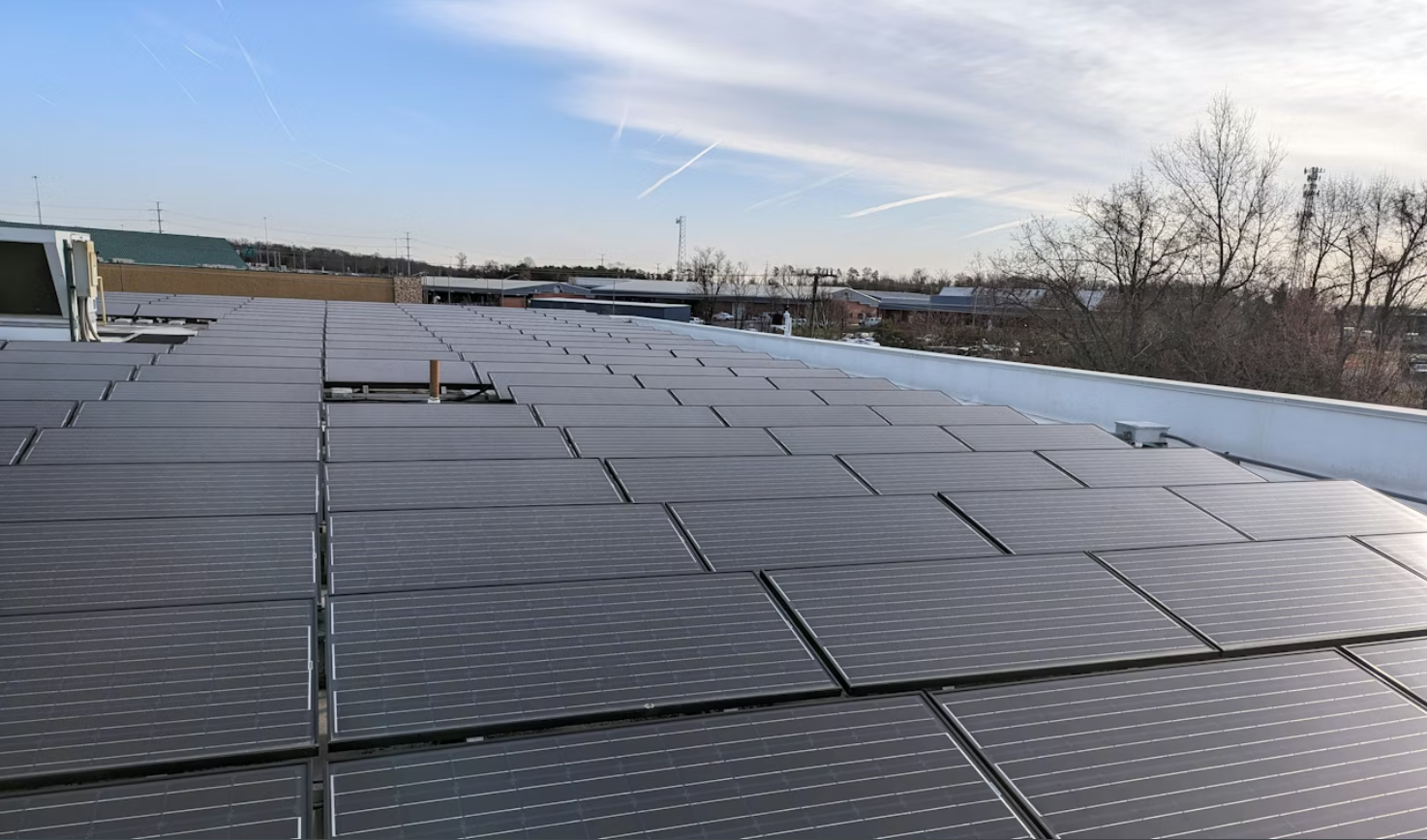
A flat surface makes it easy to install HVAC units or solar panels. It also allows for better drainage systems that handle heavy rain. Modern flat roofs use materials that resist wear and reduce long-term maintenance needs. This helps owners keep repair costs under control while extending the life of the structure.
Professionals remain essential when dealing with flat roof installations. These roofs must be handled with precision because even small mistakes can lead to major water issues. Only trained crews can manage proper sealing, drainage planning, and surface preparation. Skilled teams ensure that the roof performs well and remains safe for many years.
In 2024, tropical forests across the world disappeared at a rate of around 18 soccer fields per minute, nearly double that of 2023. Greenery is disappearing from urban areas as well, and even more rapidly. Hence, green roofing is becoming more common as cities push for sustainable building methods.
Green roofs bring life back into urban spaces by adding plants and soil to the rooftop. They help cool the building naturally by absorbing heat rather than reflecting it. They also reduce stormwater runoff during heavy rain.
Many building owners enjoy the visual appeal as well. A green roof can transform an empty surface into a pleasant and useful area.
Currently, the global green roof market is valued at $2.62 billion. The next wave of green roofing will focus on easier maintenance. Past systems required heavy upkeep. Newer designs include built-in irrigation and lightweight layers that support plant growth with less effort.
In the US, cumulative solar energy capacity reached around 178 gigawatts in 2024. And as solar technology continues to grow, commercial buildings want to be a major part of that growth.
Many owners want a roof that works with solar units from day one. This has created a push for solar-ready roofing systems. These structures are designed to support panels without frequent retrofitting. They make it easier for businesses to cut energy costs while lowering their carbon impact.
In 2026, solar shingles and lighter mounting options will become more common. These changes will reduce installation time and create smoother surfaces that blend with the roof. Some manufacturers are also testing integrated solar membranes. These membranes act like roofing material while generating electricity. They represent a major shift toward cleaner energy use in the commercial sector.
Residential roofing covers homes and uses lighter materials like shingles. It focuses on appearance and weather protection. Commercial roofing covers larger structures with flat or low-slope designs. These roofs need stronger materials for heavy equipment. Commercial projects often involve more complex installations. Each type serves different structural and performance needs based on the building.
Most commercial buildings use flat roofs because they are cost-effective and easy to build. The design allows space for large HVAC units and other equipment. Flat surfaces also make maintenance simpler. They work well for wide buildings with heavy structural demands. This style supports practical use and efficient construction for businesses.
Residential homes rarely have flat roofs because they drain water poorly. Sloped roofs move rain and snow quickly, which protects the structure. Sloped designs also improve insulation and home appearance. Many climates require pitched roofs for safety. Flat roofs need more maintenance. These factors make sloped roofs a better choice for most houses.
Commercial roofing is moving into a new era guided by efficiency, sustainability, and smart technology. Understanding these trends makes it easier to plan future improvements and protect the value of the building.
By paying attention to the changes shaping 2026, owners can make choices that matter for both performance and reliability.