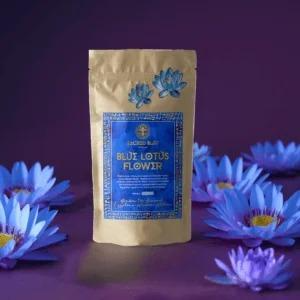
Blue lotus flowers have fascinated humankind for thousands of years. Their vivid blue petals and intoxicating fragrance are not just symbols of beauty but also gateways to ancient spirituality, healing traditions, and natural wellness. Often called Nymphaea caerulea or the Egyptian blue lotus, this sacred aquatic plant has deep roots in mythology, medicine, and ritual practices across different civilizations. Today, it continues to captivate modern enthusiasts seeking peace, clarity, and natural balance.
The blue lotus flower holds a timeless place in human culture, particularly in ancient Egypt, where it was regarded as a symbol of rebirth, creation, and divine connection. Its imagery adorned temple walls, tomb paintings, and sacred carvings, representing the eternal cycle of life and death.
In Egyptian mythology, the blue lotus was associated with the sun god Ra and the god of creation, Nefertem. According to legend, the blue lotus rose each morning from the primordial waters of chaos, unfolding its brilliant petals as the sun ascended, and then closing again at dusk. This daily rhythm made it a symbol of the sun’s journey and the renewal of life.
Beyond Egypt, the blue lotus was revered in other ancient cultures as well. In India, for instance, it was connected to divine purity and spiritual enlightenment, often compared with the more widely known pink or white lotus in Buddhist and Hindu symbolism.
The blue lotus flower (scientifically Nymphaea caerulea) is a tropical water lily native to the Nile River and other parts of East Africa. It thrives in shallow, still waters, producing striking blue petals with a golden center.
This unique combination of beauty and fragrance is part of what made the blue lotus sacred and widely used in ancient rituals.
Blue lotus flowers grow best in warm, tropical climates with plenty of sunlight and clean, still water. They can be cultivated in garden ponds or large containers, making them a popular ornamental plant today.
Spiritually, the blue lotus flower represents awakening, wisdom, and transcendence. In both ancient and modern contexts, it is a metaphor for rising above material concerns to reach higher states of consciousness.
The flower’s behavior — opening in the light and closing in darkness — symbolizes the soul’s journey toward enlightenment. Meditation practitioners and spiritual seekers often use imagery of the blue lotus to focus their thoughts, inviting peace and inner clarity.
In modern holistic practices, blue lotus tea, oils, and incense are used to promote relaxation and mindfulness. Many believe that simply being near the flower can evoke a sense of calm and heightened awareness.
The Egyptian blue lotus extract is derived from the petals and stamens of the Nymphaea caerulea flower. It has been used since ancient times for both spiritual and medicinal purposes. The extract was a prized substance in pharaonic Egypt, often infused in wine or used in perfumes and sacred ointments.
Today, the Egyptian blue lotus extract is making a comeback in natural health and wellness circles. It’s available in various forms such as tinctures, essential oils, powders, and teas.
Blue lotus contains natural alkaloids, including apomorphine and nuciferine, which are believed to contribute to its mood-enhancing and mildly psychoactive effects. These compounds interact with dopamine receptors in the brain, promoting feelings of calmness, pleasure, and clarity without intoxication.
The blue lotus flower and its extract have long been associated with both physical and emotional healing. While more modern research is still developing, centuries of traditional use point to a wide range of potential benefits.
The soothing aroma and mild psychoactive effects of blue lotus help calm the mind and reduce tension. Drinking blue lotus tea or using its essential oil in aromatherapy may assist with relaxation and emotional balance.
Historically, Egyptians used blue lotus for restful sleep. Its natural sedative effects can help ease insomnia and promote deep relaxation before bedtime.
Thanks to its dopamine-enhancing properties, blue lotus may act as a natural mood stabilizer, reducing symptoms of mild depression or anxiety.
The flower’s sensual fragrance and traditional association with love and pleasure have made it a popular natural aphrodisiac. Its ability to heighten sensitivity and emotional connection is well-documented in ancient texts.
When used topically, Egyptian blue lotus extract delivers powerful antioxidants that help protect the skin from free radical damage, keeping it youthful and radiant.
While the blue lotus is natural and generally safe, it should be used responsibly. Overconsumption may lead to dizziness or nausea in sensitive individuals. Pregnant or breastfeeding women should consult a healthcare provider before using blue lotus products.
Because of its mild psychoactive nature, users should avoid driving or operating heavy machinery immediately after consumption.
There are many ways to enjoy the blue lotus and its extract:
Each method offers a unique way to experience the flower’s gentle, uplifting essence.
From the golden temples of ancient Egypt to the meditation spaces of today, blue lotus flowers continue to inspire awe and tranquility. They remind us of the harmony between nature and spirit — a bridge connecting the physical and the divine.
The Egyptian blue lotus extract carries forward this sacred legacy, offering a natural path to relaxation, beauty, and self-awareness. Whether admired for its mesmerizing color, used for its wellness properties, or embraced as a symbol of enlightenment, the blue lotus remains one of nature’s most enchanting gifts.