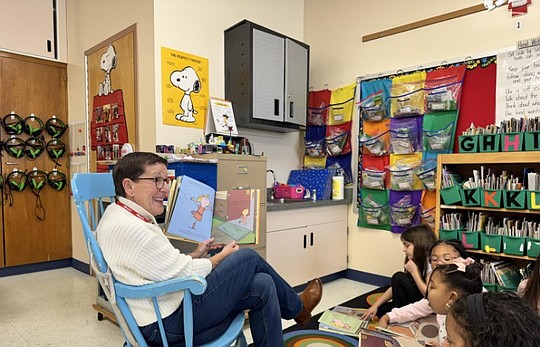
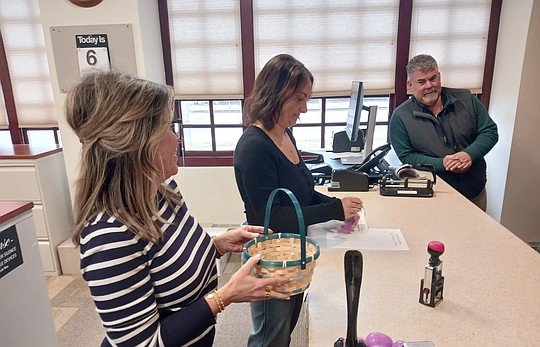
Institutional care often flattens individuality into schedules and protocols. In-home support breaks that mold by shaping care around the person, not the institution. Respecting someone’s daily rhythm and quirks is more than courtesy; it’s a survival tool for dignity. From help with grooming to preparing meals or steadying a walk across the room, the range of assistance adapts to the human in front of you, not a checklist.
Core services start simple: conversation, a hand with bathing, tidying up, a gentle reminder about medication. The details change with every client because physical limitations, cognitive changes, and emotional needs rarely look the same twice. An assessment is not paperwork—it’s reconnaissance on how to make life safer, richer, and less frustrating for someone, whether that’s a senior in early memory decline or recovering from surgery.
Companionship is more than presence; it’s the antidote to creeping isolation. Empathy, spoken or unspoken, shifts a person’s state of mind faster than any pill. Improvement shows in brighter moods, livelier discussions, and more engagement with activities that used to seem tedious. When supported by broader community offerings, even generic social programs, the impact multiplies.
You cannot manufacture independence; you protect it by bolstering what still works. Adaptive routines for dressing or bathing reinforce self-reliance instead of eroding it. Small environmental tweaks like adding grab bars or better lighting change more than convenience—they guard against injury and loss of confidence. Plans should never stagnate. Review often, adjust quickly.
If communication falters, care crumbles. Direct exchanges between caregivers, relatives, and medical teams prevent missteps. Shared calendars or care apps keep schedules tight and reduce friction. Every update must respect privacy, and every participant’s voice deserves space in the conversation.
Fee models range from hourly to full-time live-in arrangements, often bundled into packages. Funding can flow from private pay, insurance, veterans’ programs, or targeted grants. Never step into commitment without a written estimate in hand. Surprises are for birthdays, not invoices.
Subtle monitoring tools like emergency pendants, motion-activated alerts, or remote check-ins create a safeguard without intruding on autonomy. Digital platforms can log medications and flag upcoming appointments. Useful, yes, but they cannot replicate the human touch that turns service into support.
Personalized, compassionate home assistance can lift daily living from a grind to a sustainable rhythm. Know the specific needs. Match them to providers who meet your standards without compromise. For those seeking details about quality options, the link is here: home care Little River. Plan ahead and align support for a life lived with confidence and comfort.