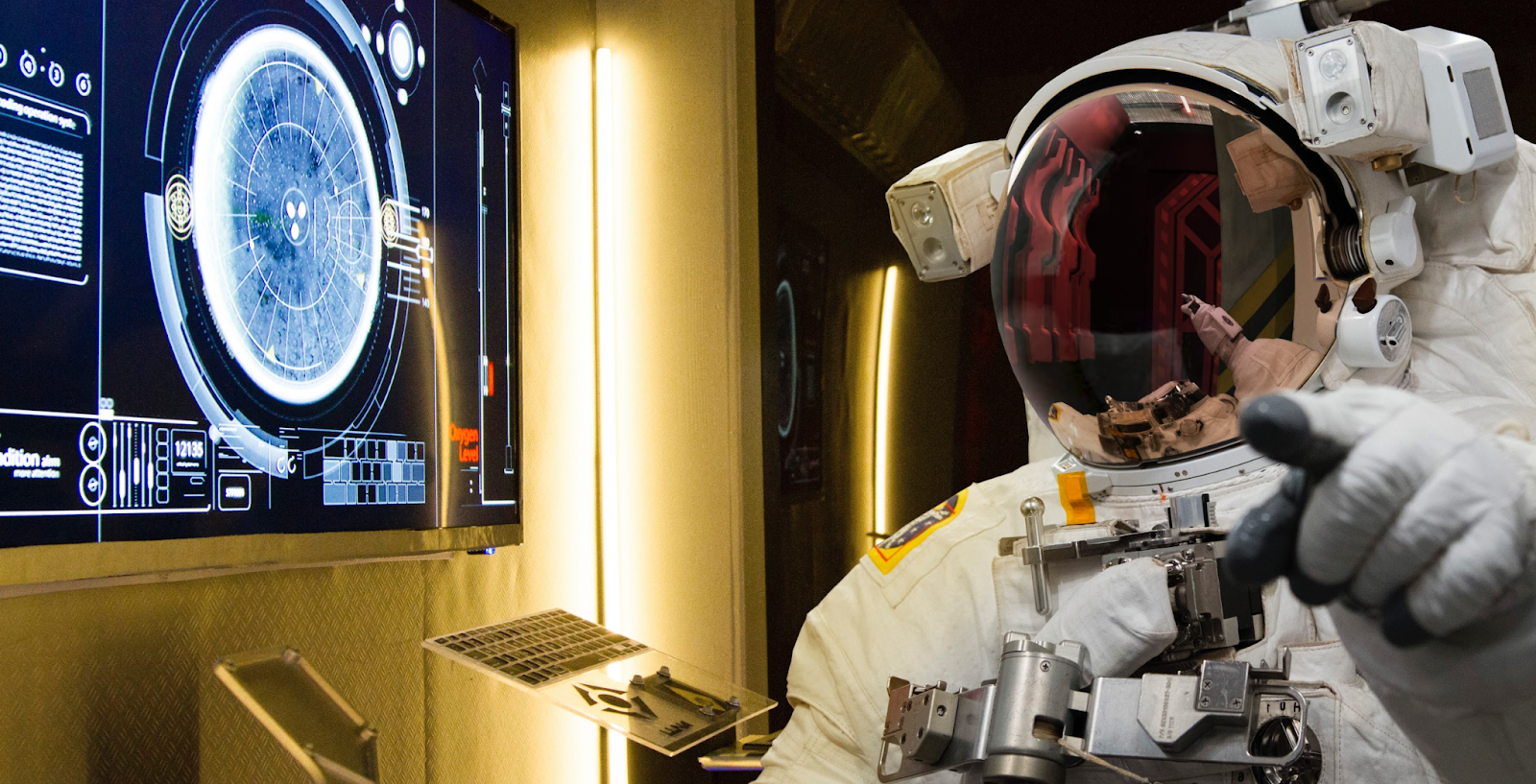
Maze Rooms Los Angeles built something legendary — the experience fans call the hardest escape room in the world. Step inside its story, where logic meets emotion and teamwork becomes survival.
It starts with silence — the kind that makes you aware of your own heartbeat. You’re standing in a dimly lit hallway, reading a briefing that sounds more like a movie script than a game. Somewhere inside, a sequence of clues waits to be solved, each one woven into the room’s architecture. That’s the introduction to Maze Rooms’ newest phenomenon, known by fans and reviewers as the hardest escape room in the world.
Created in Los Angeles — a city built on illusion, invention, and cinematic dreams — this room represents the next evolution of immersive entertainment. It isn’t hard just because the puzzles are complicated. It’s hard because it demands something real: communication, trust, timing, and composure.
Maze Rooms has always treated design as storytelling. For years, their worlds — Ghost Hunters, Area51, Cyberpunk Samurai — proved that logic can be emotional and that play can be cinematic. But with this room, something changed. It’s no longer just a game. It’s an endurance of focus.
When word spread that Maze Rooms was developing the hardest escape room in the world, expectations soared. Could a company known for creativity also push players to their cognitive and emotional limits? The answer arrived quietly, through word of mouth and five-star reviews describing it as “brutal, brilliant, unforgettable.”
There’s a strange psychology behind hard challenges. People climb mountains not because it’s easy, but because it’s there. The same instinct drives players to this room. They want to test themselves — to see if logic can outperform chaos, if teamwork can outlast pressure.
Maze Rooms’ creators studied hundreds of player sessions before building this. They noticed that players smile more after a near-failure than easy victory. That insight became the blueprint. The room isn’t designed to frustrate — it’s designed to elevate. You fail forward, learning, adjusting, discovering new dimensions of cooperation you didn’t know existed.
By the time you’re halfway through, you’ve forgotten about the timer. You’re in survival mode — but the fun kind.
Every object inside this space tells a story. Nothing is decorative; everything matters. Levers feel heavy for a reason, panels resist opening until every prior step is understood. The lighting changes not just for atmosphere, but to guide intuition. Maze Rooms blended psychological trickery with physical reality so flawlessly that players often debate afterward which parts were “real.”
The hardest puzzle in the room doesn’t even look like one — it hides in plain sight, disguised as part of the environment. Some groups have played three times, determined to complete it without hints. A few have. Most don’t. But all of them leave smiling.
That’s the paradox — failure never feels bitter here. It feels cinematic.
When you step inside, you’re briefed quickly — no long speeches, no filler. The game begins before you realize it. The air shifts. A low hum builds under the soundscape. Then silence again. The first task seems obvious, then suddenly impossible. Someone laughs, another groans. And just like that, you’re inside the rhythm of it — observation, frustration, discovery, breakthrough.
You can hear the physicality of problem-solving — hands tapping walls, whispers turning into theories, sudden shouts of “Wait, try that!” The moment something clicks, it’s pure electricity. Maze Rooms didn’t create the hardest escape room in the world to intimidate — they built it to reawaken that spark of wonder that adulthood often hides.
Behind every great escape room lies obsessive craftsmanship. Maze Rooms’ design team spent more than a year refining this one. The goal wasn’t to create something unsolvable — it was to build an experience that requires your best self to succeed. Engineers, storytellers, and sound designers worked together, adjusting every second of the 60-minute timeline until tension felt perfectly balanced.
The team borrowed ideas from film production and stage design — using light, shadow, and environmental storytelling to make the puzzles feel like scenes. Nothing breaks immersion. You don’t see cables or switches — just a world that reacts to you like a living organism.
Reviews on Google and Yelp describe the experience as “mind-bending” and “a psychological marathon.” A few teams mention walking out in silence, needing a moment to process what just happened. Others talk about the sense of accomplishment even when they didn’t finish.
One reviewer wrote, “I’ve done more than 60 rooms across three states. Nothing touches this one.” Another said, “It broke us… and we loved every second.”
That’s the kind of reaction Maze Rooms chases — not just satisfaction, but transformation.
Los Angeles breeds creativity and competition in equal measure. To stand out here, you can’t rely on gimmicks — you need depth. Maze Rooms thrives in that environment. Their team takes inspiration from film, architecture, and even neuroscience to understand how people perceive challenge and beauty.
The hardest escape room in the world reflects that DNA. It’s cinematic but grounded, theatrical but intimate. It could only exist in a city where art and entertainment constantly merge.
Visitors fly in just to try it — puzzle enthusiasts, YouTubers, even fellow designers from other states. They want to test themselves against the myth. Some finish. Most don’t. But everyone leaves with the same expression — wide-eyed disbelief followed by laughter.
Difficulty here doesn’t just mean “hard to solve.” It means it challenges how you think. Some puzzles rely on intuition; others on collaboration so precise that one person’s mistake affects everyone. It’s a mirror of life — the moment you try to control everything, you lose the thread.
Maze Rooms uses this to remind players that success isn’t always the final door opening. Sometimes it’s the conversation that follows, the “aha” moment that happens in the car ride home, or the sudden respect you gain for your teammate who caught something you didn’t.
That’s why, in interviews, the creators say the real reward isn’t escaping — it’s connecting.
So, what is the hardest escape room in the world? It’s not defined by locks or riddles. It’s defined by feeling. It’s the space that makes you doubt, laugh, argue, and cheer all within one hour. It’s a human experience disguised as a puzzle.
At Maze Rooms Los Angeles, difficulty becomes beauty. Players walk out exhausted, exhilarated, and closer than when they came in. Some call it a masterpiece, others call it madness. Either way, they all remember it.
And in a city built on stories, that’s the hardest thing to achieve.