A low-maintenance yard doesn’t happen by chance, it’s the result of careful planning, especially when it comes to irrigation and drainage. Smart water management not only reduces time spent on upkeep but also keeps your landscape thriving throughout the year. By designing irrigation and drainage systems that work in harmony, you can enjoy a yard that looks beautiful, stays healthy, and requires far less manual effort to maintain.
A truly low-maintenance yard starts with understanding how water moves through your property. Irrigation keeps plants hydrated, while drainage prevents flooding and erosion. When these systems are well-designed and properly integrated, they minimize problems before they even start.
The goal is to create a balance where your soil stays moist enough to support growth but never soggy. Overwatering is just as damaging as drought, it can rot roots, promote fungus, and waste resources. On the other hand, poor drainage can wash away topsoil and damage patios, retaining walls, and foundations.
A good design keeps everything in check, using efficient irrigation systems and reliable drainage strategies that fit your property’s layout, soil type, and plant selection.
Watering the yard shouldn’t feel like a daily chore. Smart irrigation systems use technology to take the guesswork out of watering schedules. These systems adjust automatically based on real-time weather, soil conditions, and seasonal changes.
Some of the most effective options include:
This approach not only saves time but also reduces water waste. Once installed, a well-planned irrigation system keeps your lawn green and your flower beds healthy with minimal effort.
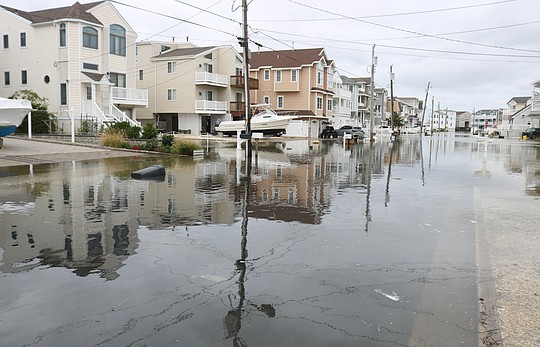
Good drainage is the silent partner of irrigation. Without it, even the best watering system can’t perform effectively. Water that sits too long on the surface or near foundations causes damage over time. It also creates muddy patches and promotes weed growth, turning maintenance into a constant battle.
Effective drainage design includes:
A well-drained yard dries out faster after rain and prevents pooling that would otherwise lead to soil compaction and lawn disease.
The secret to a low-maintenance landscape is how well these two systems work together. Irrigation introduces water where it’s needed, while drainage carries it away when it’s not. When designed separately, they can conflict, irrigation may add water faster than drainage can remove it, leading to puddles and stress on plants.
An integrated design considers the entire water cycle of your yard. For example:
This balance minimizes wasted water and reduces maintenance needs, keeping your landscape healthy without constant intervention.
A low-maintenance yard isn’t just about smart irrigation, it’s also about using materials that work well with your environment. Porous pavers, gravel pathways, and raised beds all help with natural drainage.
Synthetic turf is another great choice for areas that receive heavy foot traffic or struggle with grass growth. It requires no mowing, little watering, and no chemical treatments. Paired with efficient irrigation for surrounding plants, it creates a modern, low-effort landscape that stays green year-round.
Each season brings different water challenges. Summer requires more irrigation, while spring and fall often demand better drainage management.
Here’s how to keep things running smoothly:
By keeping up with these small seasonal adjustments, you extend the life of both systems and reduce the need for major repairs later.
Healthy soil absorbs and retains water better, reducing the demand on your irrigation system. Compacted soil, on the other hand, prevents roots from accessing water efficiently and makes drainage more difficult.
Adding organic material like compost or mulch improves soil texture, helping water move more freely while retaining moisture at the root level. This balance means you can water less frequently while still maintaining a healthy yard.
Aerating the lawn once a year also promotes better water infiltration, preventing runoff and keeping grass roots strong.
Plants that naturally thrive in your region require less care and water. Native grasses, shrubs, and perennials are accustomed to local soil and weather conditions, which makes them ideal for low-maintenance landscapes.
These plants typically have deep root systems that hold soil in place and absorb moisture efficiently. This reduces the need for frequent irrigation and limits erosion during heavy rains.
Combining these plant choices with smart irrigation and drainage ensures your yard stays vibrant without constant upkeep.
Recognizing early warning signs can prevent small issues from becoming major headaches. Watch for:
These are indicators that your irrigation or drainage systems need adjustment. Addressing them early keeps your yard healthy and prevents long-term damage.
A well-designed irrigation and drainage system doesn’t just make your yard easier to manage, it also protects your home and saves time year after year. You spend less time mowing, watering, and troubleshooting and more time enjoying your space.
Beyond convenience, these systems conserve resources, protect your property from erosion, and extend the life of your hardscape and plants. They create a stable foundation for a sustainable, low-maintenance landscape that looks great in every season.