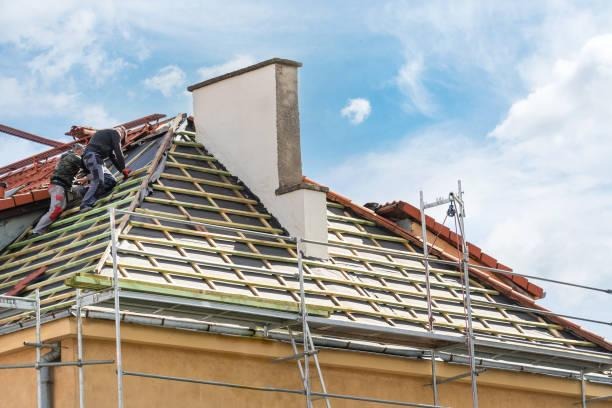
Your roof is your home’s first line of defense against the elements. It protects you from rain, wind, heat, and snow—keeping your family safe and comfortable. However, many homeowners overlook regular residential roofing maintenance until it’s too late. Recognizing when your roof needs a full roof replacement rather than minor repairs can save you from costly structural damage and safety risks.
Here are the key warning signs every homeowner should know.
Every residential roofing material has a specific lifespan. Asphalt shingles typically last 20–25 years, metal roofs can endure 40–70 years, and clay or slate tiles may last up to a century.
If your roof is nearing or exceeding its expected service life, plan for a roof replacement. Even if it looks intact, years of sun, rain, and temperature changes gradually weaken materials and reduce their protective power.
Damaged shingles are one of the clearest signs your roof may need replacing. Curling or buckling shingles suggest long-term wear and heat exposure, while cracked or missing shingles allow water to seep in.
If you notice large areas of missing or deteriorated shingles, simple repairs won’t be enough—a complete roof replacement is often the safer, more cost-effective option.
Water intrusion is a serious red flag. Stains on ceilings, walls, or in the attic often mean extensive damage. Persistent leaks—especially after multiple repairs—signal that your roofing system may be failing and needs replacement rather than patchwork fixes.
A sagging roof deck means the underlying structure has absorbed moisture and weakened. This not only compromises your home’s stability but also poses safety risks. A sagging or uneven roof requires complete roof replacement and structural reinforcement, not just new shingles.
Asphalt shingles are coated with protective granules. If you find excessive granules in your gutters, your roofing has likely reached the end of its useful life. Without that protection, shingles deteriorate rapidly, exposing your home to leaks and UV damage.
If daylight is visible through attic boards, water and cold air can enter too. Gaps or holes in your roof mean it’s time for a full roof replacement to restore insulation and weather protection.
Aging roofs cause poor insulation and ventilation, forcing HVAC systems to work harder. If your energy bills have spiked, a roof replacement can greatly improve efficiency and comfort in your home.
Moss or algae growth may look minor but often indicates trapped moisture and rot. When cleaning no longer solves the issue, schedule a professional roofing inspection—you may need a replacement to prevent deeper damage.
A roof replacement is a major investment—but also one of the most valuable for your home’s safety, efficiency, and longevity. Ignoring early warning signs can lead to expensive repairs or even structural failure.
Regular residential roofing inspections and timely replacements ensure your roof continues to protect your home for decades to come.