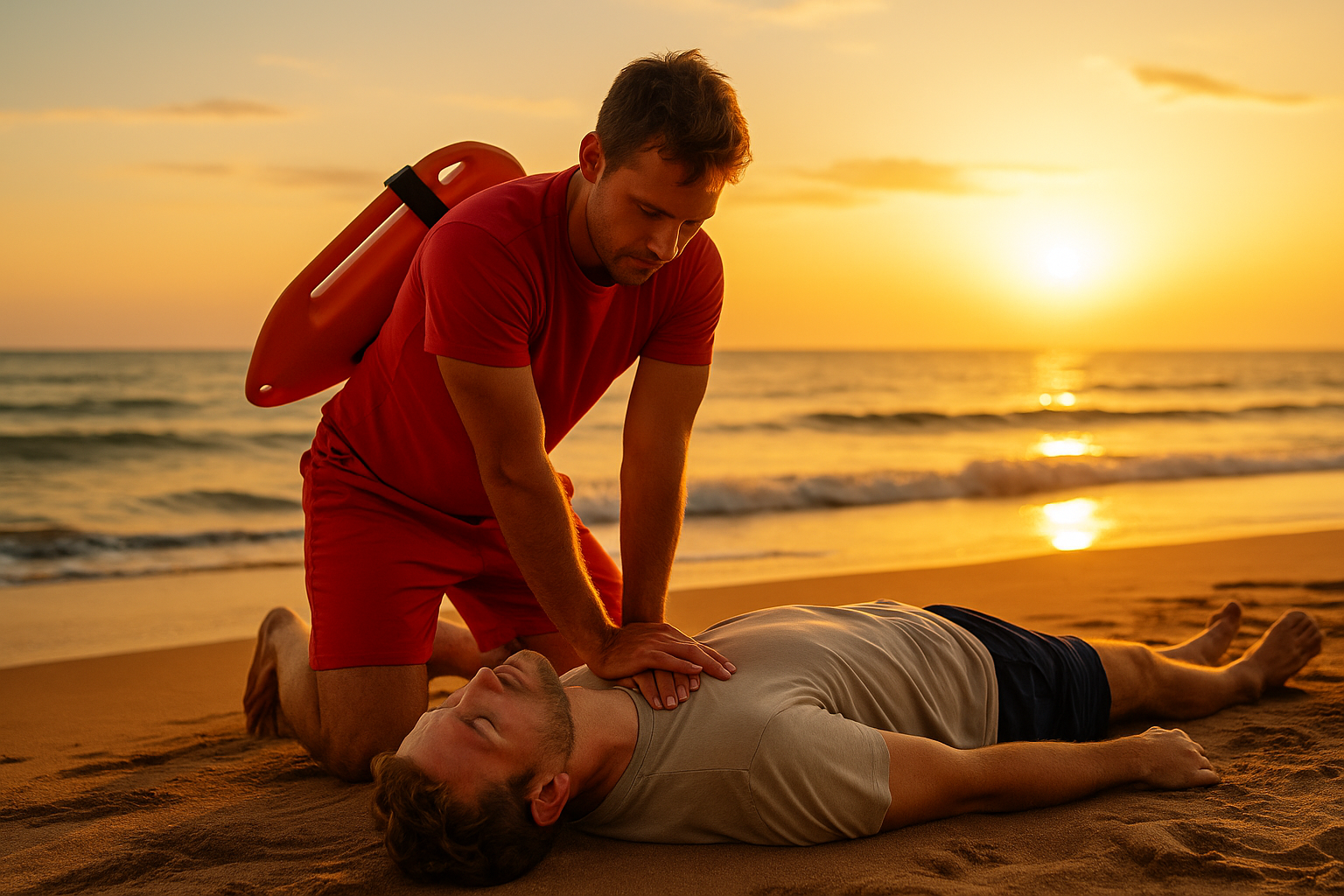
Life by the ocean has its own rhythm: warm sand, rolling waves, boardwalk laughter, and sunsets that calm the soul. But behind that easygoing charm lies an important truth: beach life can be unpredictable. Whether it’s a strong tide, a slip on the dock, or a medical emergency near the water, being prepared can make all the difference. Taking a simple CPR training course isn’t just for lifeguards or health professionals, it's for anyone who calls the coast home, even if just for a season.
What makes coastal towns so special isn’t just the ocean breeze, it's the people. Neighbors look out for one another, families share space with visitors, and small acts of kindness create the feeling of togetherness that defines a true beach community. But that same closeness means when something unexpected happens, everyone feels it.
Safety, in that sense, becomes part of the community culture. From shop owners and surfers to parents and teenagers, everyone plays a role in keeping coastal life safe and welcoming. The stronger our awareness, the safer our shared spaces become.
Emergencies at the beach rarely come with warning. They happen during everyday moments: someone choking at a restaurant, a swimmer losing their footing, or a friend fainting after too much sun.
That’s where being prepared makes a quiet but powerful difference. The first few minutes after an incident are often the most critical. With basic CPR training, anyone can respond effectively and confidently until professional help arrives.
It’s not about expecting emergencies, it's about being calm and capable when life throws a curveball.
Living near the water comes with unique joys and risks. The mix of sun, heat, and constant activity creates the potential for dehydration, exhaustion, or sudden health issues. That’s why knowing how to respond in those first crucial moments is such a valuable skill.
A basic CPR course teaches you how to:
Recognize when someone needs help
Perform chest compressions effectively
Use an AED (defibrillator) if one is available
Stay calm while directing others to call for help
It doesn’t take long to learn, but it can mean everything in the right moment. Whether you’re a resident, a vacation homeowner, or just a weekend visitor, the ability to help someone in distress is one of the most meaningful ways to contribute to your community.
In many small towns, professional responders do incredible work but sometimes, help takes a few minutes to arrive. Those minutes matter. When everyday people are trained to handle emergencies, the entire community becomes safer.
Imagine someone collapsing at a beach café or a child needing help near the water’s edge. The difference between panic and action often comes down to one thing: confidence. And that confidence starts with training.
Learning CPR doesn’t just equip you with physical skills, it builds composure, empathy, and leadership. It reminds us that safety is a shared effort, not someone else’s job.
Safety doesn’t have to feel heavy or complicated; it can blend naturally into beach life. Just like applying sunscreen, carrying a water bottle, or checking the surf report, learning basic first aid and CPR can become part of your personal care routine.
Local organizations, schools, and wellness centers often offer quick, accessible courses throughout the year. They’re affordable, easy to complete, and incredibly empowering. You don’t need to spend hours studying, just a few focused lessons can prepare you for life’s unexpected moments.
The more people who learn, the safer our beaches, parks, and neighborhoods become.
The beauty of a beach community lies in its balance: the movement of waves matched with the stillness of sunsets, the energy of people paired with the peace of the sea. But real calm comes from more than nature; it comes from confidence.
When you take time to prepare, to learn, and to care, you contribute to that calm in your own quiet way. Whether it’s through CPR training, basic first aid, or simply keeping an emergency kit handy, every step strengthens the safety net that keeps coastal living serene and joyful.
Because at the end of the day, the most beautiful beaches aren’t just the ones with clear blue water they’re the ones filled with people who look out for one another.