
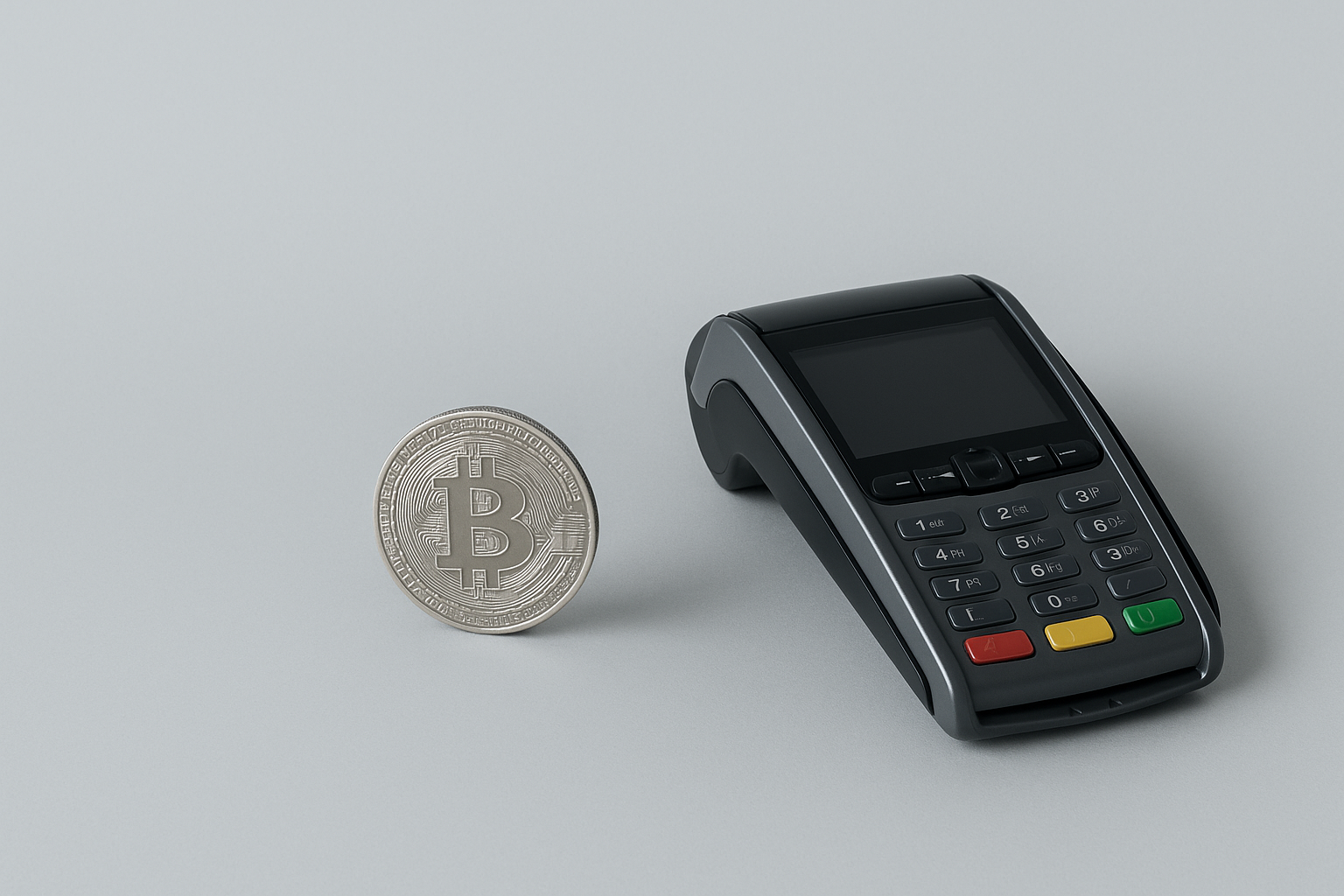
Adopting digital payments is a strategic move for local businesses aiming to remain competitive. As digital currencies become more popular, they offer unique advantages for merchants seeking to expand their reach. By integrating digital payment solutions, businesses can enhance customer engagement and streamline transactions.
The rise of digital currencies has reshaped financial transactions, offering new opportunities for businesses. Digital payments, particularly those involving cryptocurrencies, are increasingly relevant in local commerce due to their efficiency and global reach. Digital payments include various methods, such as cryptocurrencies, which provide an innovative alternative to traditional payment systems. As more consumers become familiar with digital currencies, local businesses can leverage this trend to expand their customer base and improve service offerings. The ability to use digital currencies in transactions represents just one aspect of this evolving payment ecosystem. For those interested in exploring these options, platforms like MoonPay allow users to buy BTC easily and securely.
Digital payments involve the electronic transfer of funds, using platforms that facilitate quick and secure transactions. Cryptocurrencies like Bitcoin offer decentralized and direct payment options that bypass traditional banking systems, providing a fresh approach to handling money. These digital currencies have changed how transactions are conducted, offering speed and reduced transaction costs compared to conventional methods.
This transformation extends beyond convenience; digital currencies provide a level of transparency and security that enhances trust between businesses and customers. Blockchain technology, which underpins cryptocurrencies, ensures transaction integrity and reduces fraud risks. By adopting these payment methods, local businesses can position themselves at the forefront of technological innovation, appealing to a tech-savvy demographic eager for modern solutions.
Moreover, the global nature of cryptocurrencies allows businesses to reach an international audience without the complexities associated with currency conversion. This opens up new markets and customer segments previously inaccessible due to geographical limitations. For local merchants, embracing digital payments can lead to increased sales and brand recognition on a global scale.
Accepting digital payments can significantly boost customer engagement by offering flexible payment choices that cater to diverse consumer preferences. Many tech-savvy customers prefer using cryptocurrencies due to their anonymity and ease of use. By accommodating these preferences, businesses can attract a broader audience that values privacy and technological advancement.
Additionally, integrating digital payment systems allows businesses to streamline their operations, reducing checkout times and improving the overall customer experience. This efficiency can lead to higher customer satisfaction rates and foster loyalty among patrons who appreciate seamless transactions. Businesses that embrace these systems often find themselves at an advantage over competitors who stick solely to traditional payment methods.
Furthermore, the ability to accept digital payments positions a business as innovative and forward-thinking in the eyes of consumers. This perception can enhance brand reputation and encourage word-of-mouth referrals from satisfied customers who appreciate modern conveniences in their shopping experiences.
Platforms that facilitate digital payments play a crucial role in simplifying the integration of these systems into existing business models. These platforms offer user-friendly interfaces that allow merchants to easily set up cryptocurrency payment options without extensive technical knowledge. By providing comprehensive support and security features, they ensure smooth transactions for both merchants and customers.
The ease of integrating such platforms means that local businesses can quickly adapt to changing market demands without significant disruptions to their operations. This flexibility is essential in maintaining competitiveness in a rapidly evolving financial landscape where consumer expectations continuously shift.
By leveraging these platforms, businesses not only enhance their payment processing capabilities but also build trust with consumers who are wary of security issues related to online transactions. A reliable platform ensures that all parties involved can transact with confidence, thus fostering a secure environment conducive to growth.
The security of digital payments is paramount for both businesses and customers. Concerns about data breaches and fraud often deter potential users from adopting new technologies. However, reputable platforms provide robust security measures that protect sensitive information during transactions.
Employing blockchain technology enhances transaction security by creating immutable records that are virtually tamper-proof. This level of protection instills confidence among users who may be hesitant about transitioning from traditional payment methods due to perceived risks associated with digital currencies.
For businesses looking to implement these solutions, choosing a reputable platform is critical in ensuring secure transactions. Trusted platforms offer end-to-end encryption and fraud detection systems that safeguard against unauthorized access or fraudulent activities. By prioritizing security, businesses can reassure customers about the safety of their data while enjoying the benefits of streamlined digital payments.







