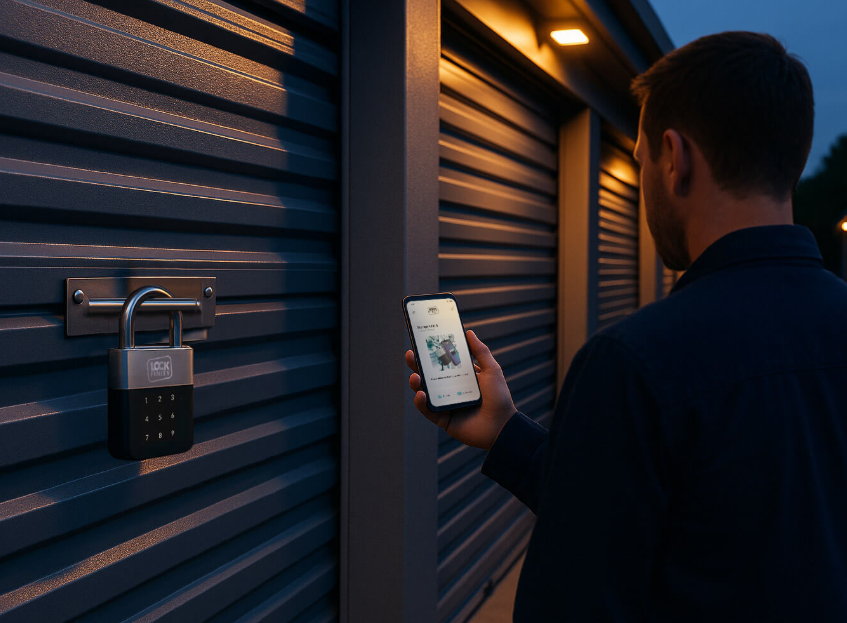
In an era where convenience and safety are no longer luxuries but expectations, the self storage industry is undergoing a transformation. As digital technology becomes increasingly integrated into everyday services, storage facilities are embracing innovation to stay competitive, efficient, and secure.
Among the most notable shifts is the adoption of contactless access solutions. Fueled by changing customer behavior, public health considerations, and operational demands, this shift is revolutionizing how people interact with storage environments. Today, implementing a modern self storage access control system is more than a technical upgrade—it’s a strategic move that’s defining the future of the industry.
From Keypads to Contactless: A Security Evolution
Traditional access control methods in self storage relied heavily on physical locks and coded keypads. While these tools served their purpose, they also came with significant limitations—shared codes, forgotten combinations, misplaced keys, and virtually no real-time oversight.
Enter contactless technology. Using smartphones, Bluetooth, or RFID, contactless systems provide a seamless way to grant and manage access without physical touchpoints. Customers can open gates, doors, or even individual units via mobile apps or digital credentials—no keypad, no waiting, no hassle.
The benefits of this shift became especially clear during the pandemic, when minimizing physical contact was paramount. But even beyond public health, contactless systems have proven themselves to be more secure, flexible, and efficient for operators and renters alike.
Security That Moves at the Speed of Life
Security is the cornerstone of any self storage operation, and contactless systems elevate that foundation significantly. Unlike traditional locks, which offer little oversight, digital systems monitor and log every access event—providing a clear audit trail of who entered, when, and for how long.
This real-time data gives operators the ability to spot irregularities and take swift action. For example, if a unit is accessed at an unusual hour or multiple failed attempts are made, the system can automatically trigger alerts or lock down access.
By implementing a self storage access control system that supports contactless functionality, facility managers gain powerful tools to enhance both security and service.
Convenience for Customers, Efficiency for Staff
The contactless model isn’t just about high-tech security—it’s also about improving the tenant experience. Today’s consumers are used to doing everything from banking to grocery shopping via their phones. They expect the same ease and autonomy from storage providers.
With mobile access, tenants can open gates and units with a tap, share temporary digital keys with movers or friends, and receive instant updates about their account or activity—all from a centralized app.
For staff, contactless systems reduce time spent on routine tasks like unlocking units, issuing replacement keys, or verifying tenant identity. With fewer manual processes, teams can focus on growth and customer satisfaction instead of day-to-day maintenance.
Streamlining Multi-Facility Operations
For operators managing multiple locations, centralized control is a game changer. With cloud-based platforms, access permissions, activity logs, and unit-level controls can all be managed remotely from one dashboard. Whether adjusting entry privileges or reviewing usage reports, managers no longer need to be physically present at each site.
This scalability is particularly valuable in an industry where operators are rapidly expanding. Facilities outfitted with smart access are easier to manage, more appealing to tech-savvy renters, and better positioned to adapt to future changes in demand or customer expectations.
Enhancing Health and Hygiene Standards
The rise of contactless access coincides with a broader cultural emphasis on hygiene and safety. Even as pandemic-era concerns wane, the preference for touch-free interactions remains strong. For customers, avoiding shared surfaces like keypads and entry buttons offers peace of mind.
Additionally, facilities that invest in contactless infrastructure are signaling to their customers that they take health and cleanliness seriously—an intangible benefit that can boost trust, loyalty, and long-term retention.
Environmental and Cost Considerations
Smart access systems often come with unexpected sustainability benefits. By minimizing the need for printed paperwork, key production, and repeated site visits, these systems contribute to lower carbon emissions and reduced waste. They also cut operational costs—fewer keys to replace, fewer lockouts to resolve, and fewer staff hours needed for access-related tasks.
These savings can then be reinvested into other areas of the business, whether it’s enhancing security further, upgrading units, or expanding marketing efforts.
Future-Proofing Your Facility
What started as a response to health concerns has now solidified into a permanent industry trend. Contactless security solutions aren’t just the “next big thing”—they’re quickly becoming the standard. Facilities that lag behind risk appearing outdated, especially to younger, tech-oriented customers who value digital convenience.
By implementing a robust, cloud-based self storage access control system today, operators position themselves to take advantage of future innovations. From biometric verification to AI-driven analytics, the possibilities for security and automation continue to grow.
Storage Without Friction
Ultimately, contactless security represents more than just a tech shift. It’s a move toward a frictionless experience for both renters and managers. With secure, seamless, and scalable access, facilities can offer better service, streamline operations, and stand out in a competitive market.
For anyone looking to modernize their storage facility, contactless is no longer optional—it’s essential.