If you’ve ever stood in a showroom staring at kitchen ranges and wondered why two almost identical models have totally different price tags, several customers have been faced with that question too. Which one should I go for and why?
Here's the truth. Whether you're shopping online at Innovdepot or in-store, the main difference is simple: one slides in, the other stands alone. And that little difference changes how it fits into your kitchen, how it looks, and what kind of installation headaches you might run into.
If you’re mid-renovation or just replacing an old stove, choosing between a slide-in range and a freestanding model isn’t just about looks. It affects how your countertops line up, how much you’ll need to customize, and even how easy it’ll be to clean the wall behind it. This guide explains everything you need to know before buying a new range.
Let’s get this out of the way: both types cook your food. But the difference between a slide-in range and a freestanding range comes down to how they fit, what they look like, and how much flexibility you have in your kitchen layout.
A freestanding range has finished sides and a back panel. That means it can stand on its own anywhere there's a power hookup, up against a wall, or even out in the open. It's what most people grew up with.
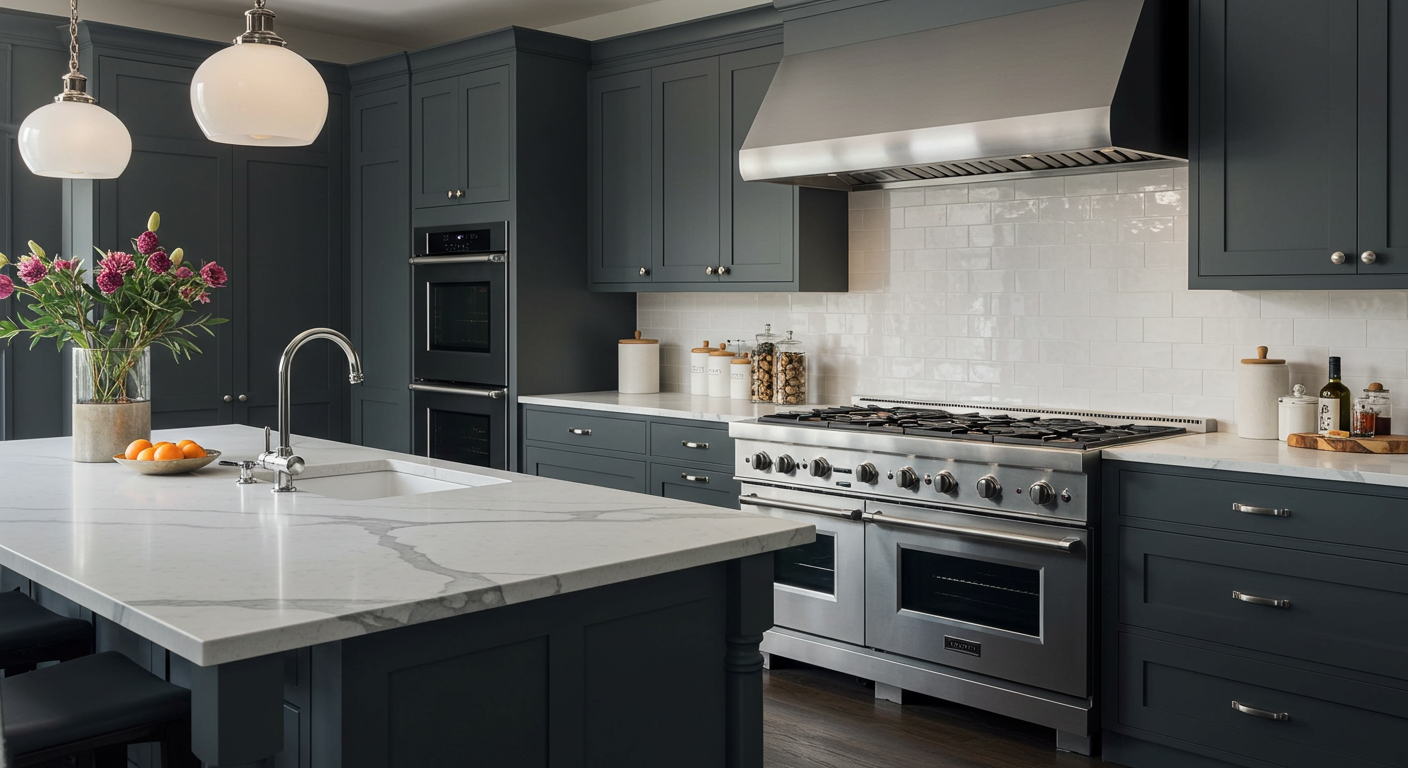
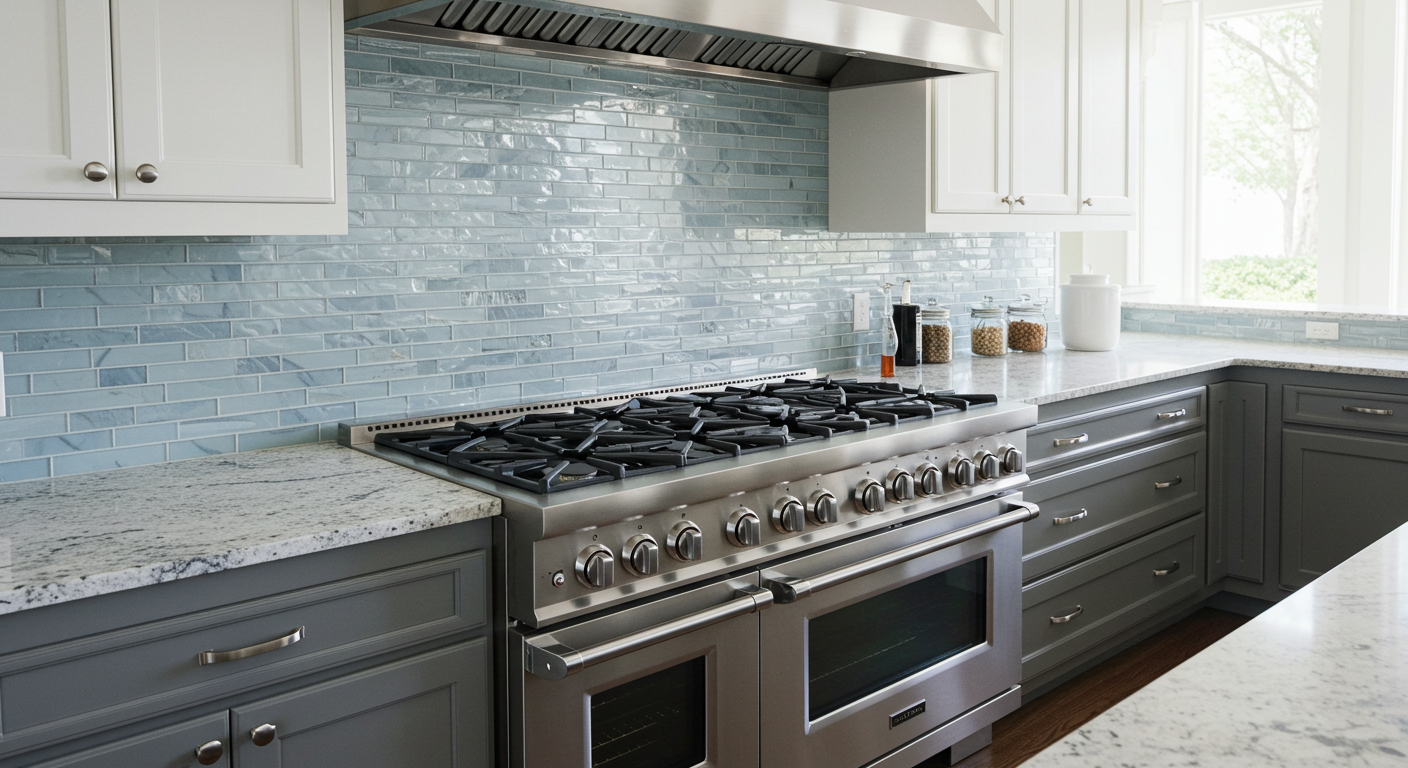
A slide-in range, on the other hand, is designed to fit snugly between cabinets. No back panel, no side gaps. The front controls sit slightly forward, and the sides are usually unfinished. It gives you that seamless, built-in look, like the range was made just for that kitchen.
So the choice is between a freestanding vs slide-in range? It’s mostly about how your kitchen is set up and how clean you want it to look.
Here’s a quick way to tell:
The rest of this guide breaks down the pros, cons, and best use cases so you can decide what actually fits your space and your life.
"The choice between freestanding and slide-in ranges often comes down to kitchen layout, budget, and personal aesthetic preferences. Each has unique advantages that can transform your cooking space."
– Jennifer Smith, Kitchen Design Consultant
Before you decide which range type is best, it helps to see how they compare on the things that actually matter: installation, price, design, and flexibility. Here’s a straightforward breakdown:
The real question isn’t which one is better. It’s which one works best for your kitchen.
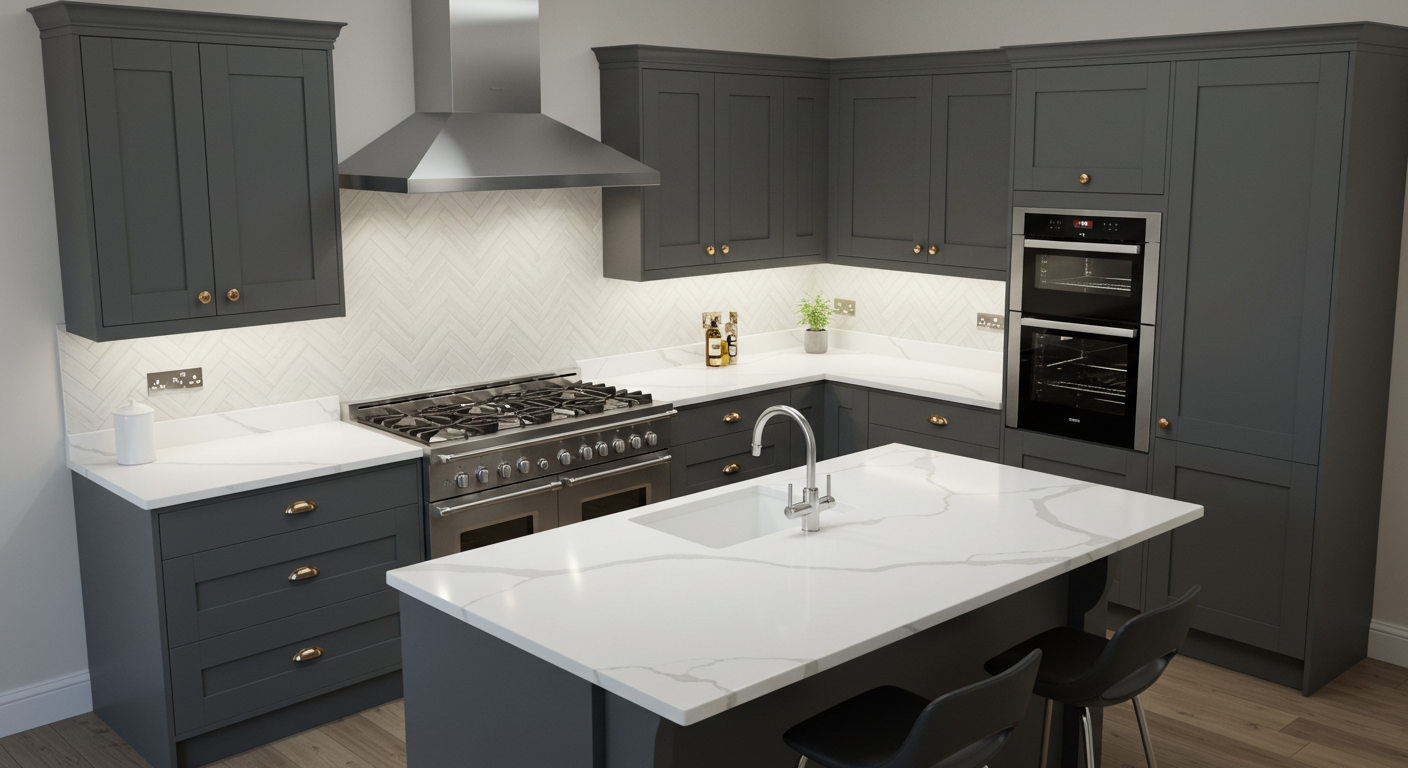
Start with your layout. If your range sits between two cabinets or on a kitchen island, a slide-in range can give you that clean, built-in look. These models are designed to slide between cabinets without leaving gaps, and the slightly overlapping cooktop edges help keep crumbs and splashes off your countertops. They also protect the wall behind the range without needing a bulky backguard.
But if your layout is more flexible, or you don’t want to redo countertops, a freestanding range is the simpler choice. These models come with finished sides and a rear control panel and can be placed anywhere you’ve got a hookup. If you’re renting or doing a light refresh, freestanding ranges offer solid performance without the design commitment.
Also, consider whether you plan to upgrade other appliances soon. If you’re eyeing a full kitchen appliance package, it’s often easier to match finishes and sizes when going with a freestanding model. On the other hand, if you’re building a cohesive modern kitchen, slide-ins can blend in beautifully.
Ask yourself:
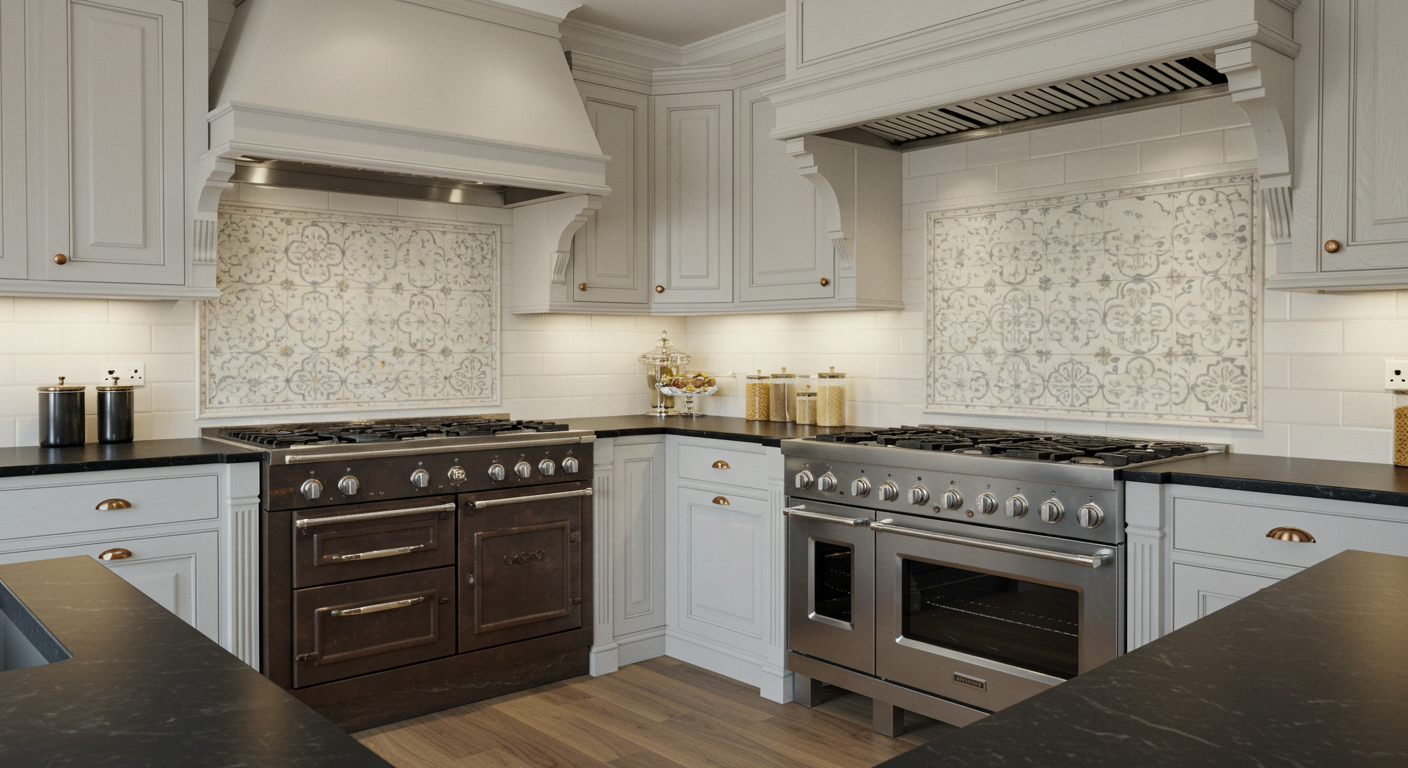
Choosing a range isn’t just about features; it’s about how those features fit into your daily life. And if you're after something more elevated, Ilve ranges offer both slide-in and freestanding options with high-end finishes like brass burners, dual fuel systems, and handcrafted Italian styling. Models like the Ilve Majestic or Ilve Nostalgie series add real character to any kitchen setup.
If you're building a custom kitchen or love the clean lines of an integrated look, a slide-in range might be worth the investment. Slide-in ranges are designed to fit between cabinets, offer countertop overlap, and help protect the wall behind from spills and grease splashes. They’re ideal for kitchen islands or open layouts where the back of the range is visible. Explore the full collection at Innovdepot.
On the other hand, if you're updating a rental, working with a tighter budget, or just need a quick upgrade, a freestanding range is easier to install and replace. Many freestanding models offer similar features to slide-ins, including stainless steel finishes and multiple oven options, without needing to update your countertop or kitchen layout.
Both types of ranges feature finished sides on select models, and newer designs blur the lines between slide-in and freestanding more than ever. Whether you’re choosing a freestanding or slide-in range, what matters most is how the appliance fits your space and lifestyle.
References and Research Sources