
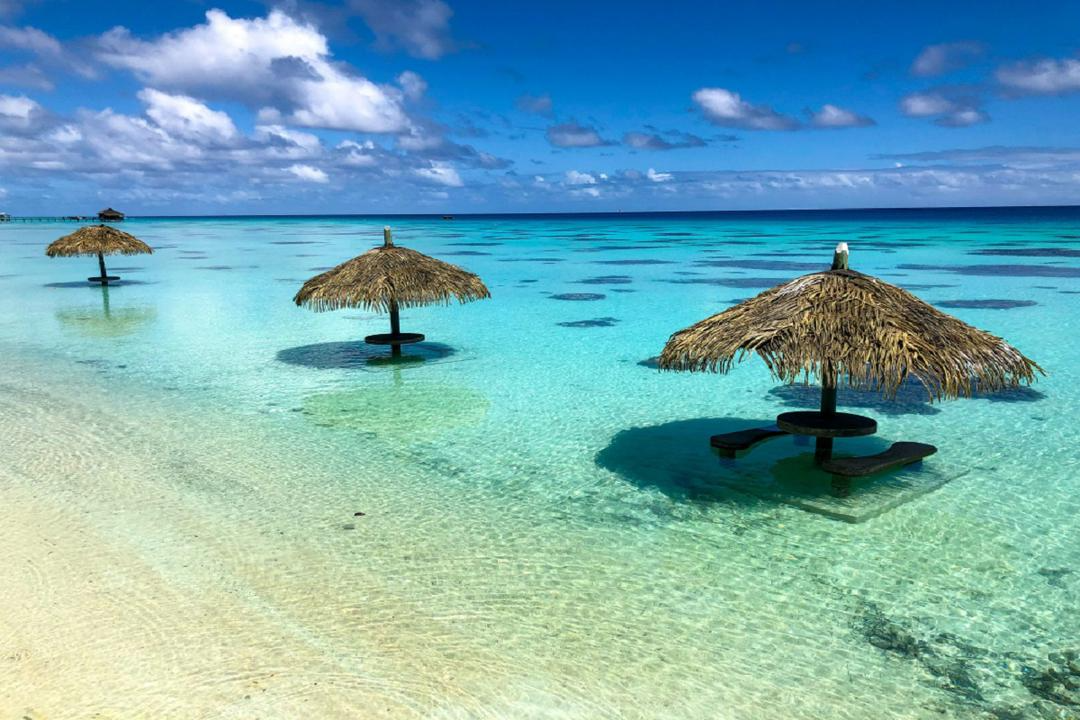
The Caribbean—an archipelago of more than 7,000 islands, cays, and islets—is often portrayed as a tropical playground. Its sun-soaked beaches, turquoise waters, and rhythmic music make it a favorite for travelers worldwide. But there’s far more beneath the surface. Beyond vacation brochures lies a region rich in opportunity—for digital nomads, entrepreneurs, retirees, and global citizens seeking a lifestyle defined by beauty, flexibility, and financial strategy.
This isn’t just a place to visit—it’s a place to belong, invest, and thrive.
Reaching the Caribbean is more convenient than ever. With dozens of international airports spread across key islands, direct flights from major global cities are common. Airports like Grantley Adams (Barbados), Hewanorra (St. Lucia), V.C. Bird (Antigua), and Piarco (Trinidad) are hubs connecting the Caribbean to Europe, North America, and beyond.
Once you’re on the ground, regional airlines such as LIAT, Caribbean Airlines, and InterCaribbean Airways offer frequent, affordable flights between islands. Whether you’re scouting investment opportunities or sampling the unique vibe of each nation, traveling within the region is efficient and often scenic.
Visitors from the U.S., UK, Canada, and EU nations usually enjoy 30 to 90 days visa-free entry. Longer stays? No problem. The region is increasingly welcoming to remote workers, long-stay retirees, and foreign investors, offering specific visa pathways and light bureaucracy.
The dry season (December–April) is peak time: perfect for festivals, sailing, and beach life. Off-season months like May and June offer lower travel costs and fewer crowds, while still enjoying warm weather. Just stay informed during hurricane season (August–October), though many southern islands lie outside the typical storm belt.
Daily life in the Caribbean is deeply rooted in nature, culture, and human connection. The pace is slower, the people are warmer, and time seems to stretch in all the right ways.
From steelpan bands in Trinidad to reggae nights in Jamaica, culture is alive in the streets, in the festivals, and in the homes. Rastafarian values, Afro-Caribbean spirituality, Creole traditions, and European influences weave together a dynamic social fabric. Each island has its own rhythm—but all celebrate life through food, music, and storytelling.
English is the main language in most islands, particularly former British colonies like Barbados, Antigua, and St. Kitts. French dominates in Martinique and Guadeloupe, Dutch in Aruba and Curaçao, and Spanish in the Dominican Republic, Cuba, and Puerto Rico. Multilingualism is common, and many islanders are happy to help new residents integrate.
Most islands now offer reliable high-speed internet, with fiber-optic services expanding, especially in cities and expat zones. Healthcare facilities vary by island, but larger nations like Barbados, Trinidad, and the Bahamas have modern hospitals and trained professionals. For families relocating, international schools are available in places like St. Lucia, the Cayman Islands, and the Bahamas—offering British, American, or IB curriculums.
Caribbean living can be tailored to your lifestyle and budget.
Countries like Dominica, St. Lucia, and the Dominican Republic offer an excellent quality of life at a reasonable cost. Rent for a two-bedroom apartment in Roseau or Santo Domingo can range from $500 to $900 per month, and fresh local produce is widely available and inexpensive.
Islands such as Grenada and Antigua offer moderate living costs with good infrastructure, pleasant communities, and growing expat hubs. Groceries may be pricier due to imports, but many locals—and newcomers—balance that with gardening or shopping at farmers’ markets.
In the Bahamas, Cayman Islands, and Bermuda, you’ll find high-end shopping, private schools, luxury villas, and world-class marinas. These destinations cater to HNWIs (High Net-Worth Individuals), offering privacy, security, and concierge-level services.
Many see the Caribbean as more than an escape—it’s a refuge from political instability, natural disasters elsewhere, or unpredictable economic conditions.
Islands like Barbados, St. Kitts & Nevis, and the British Overseas Territories are known for legal transparency, strong institutions, and peaceful societies. Some, like the Cayman Islands, are also important global financial centers with established legal systems and advanced infrastructure.
• Stick to familiar areas after dark
• Don’t flaunt expensive jewelry or electronics
• Register with your consulate if staying long-term
• Follow local advisories on ocean safety and weather conditions
Most islands also have emergency services, ambulance access, and expat health insurance plans that offer solid coverage for residents and travelers alike.
If you’re a freelancer or remote employee earning online, you’re in luck. Programs like the Barbados Welcome Stamp, Antigua Nomad Digital Residence, or Curaçao @Home provide 12-month to 24-month visas with simple application requirements and no local income tax.
Countries like the Dominican Republic, Belize, and Panama (with close Caribbean access) offer dedicated retirement visas for those with pensions or passive income. In many cases, owning property or making a small deposit in a local bank is enough to qualify.
By purchasing a qualifying property—usually starting around $200,000 USD—you can gain long-term residency in countries like St. Lucia or Grenada, with potential eligibility for citizenship over time.
From beachfront condos to eco-resorts, the Caribbean real estate market is a magnet for investors. New developments in St. Kitts, St. Lucia, Grenada, and Dominica offer full foreign ownership and resale potential. Many governments incentivize property purchases through residency rights or tax exemptions.
As global travel rebounds, small-scale tourism businesses—like guesthouses, health retreats, tour operations, and farm-to-table cafes—are flourishing. There’s rising demand for eco-conscious, locally grounded experiences, especially among younger travelers.
With a push toward sustainability, many islands now support investments in solar energy, aquaponics, and organic farming. Foreign entrepreneurs with technical expertise can benefit from duty-free equipment imports, green grants, and even government partnerships.
A Caribbean passport offers freedom—not just to travel, but to plan for the future.
By contributing a set amount to a national fund or investing in real estate, individuals can gain full citizenship—without ever needing to reside in the country. Processing times range from 3 to 6 months, and benefits extend to spouses, children, and sometimes even parents or siblings.
• St. Kitts & Nevis: Fast-track approval, established system
• Dominica: Most affordable entry point, strong passport
• Antigua & Barbuda: Great for families, flexible options
• Grenada: Unique U.S. E-2 visa treaty access
• St. Lucia: Offers real estate or government bond routes
• Visa-free access to 140+ countries
• No tax on worldwide income, capital gains, or inheritance
• Political and economic diversification
• Family security across generations
• Mobility in times of crisis
As of 2024–2025, Caribbean CBI programs are undergoing reforms to improve transparency, due diligence, and economic impact. Some of the key trends include:
Price Harmonization: Agreement among CBI countries to prevent undercutting each other’s pricing
Increased Regulation: Enhanced due diligence and oversight in response to international pressure
Greater Development Impact: A push to link CBI investments more directly to sustainable infrastructure, healthcare, and education
For a deeper dive into the differences between each country’s offerings, including costs, processing time, and unique advantages, read more about Caribbean Citizenship by Investment Comparison.
These changes reflect the region's commitment to maintaining the integrity and global credibility of its CBI offerings.
The Caribbean isn’t just a postcard—it’s a powerful proposition. Whether you’re escaping burnout, diversifying your portfolio, or creating a legacy for your family, this region welcomes you with both charm and opportunity.
It’s not about leaving everything behind—it’s about choosing what truly matters; Health. Freedom. Beauty. Stability. Potential. So where will you drop anchor?







