
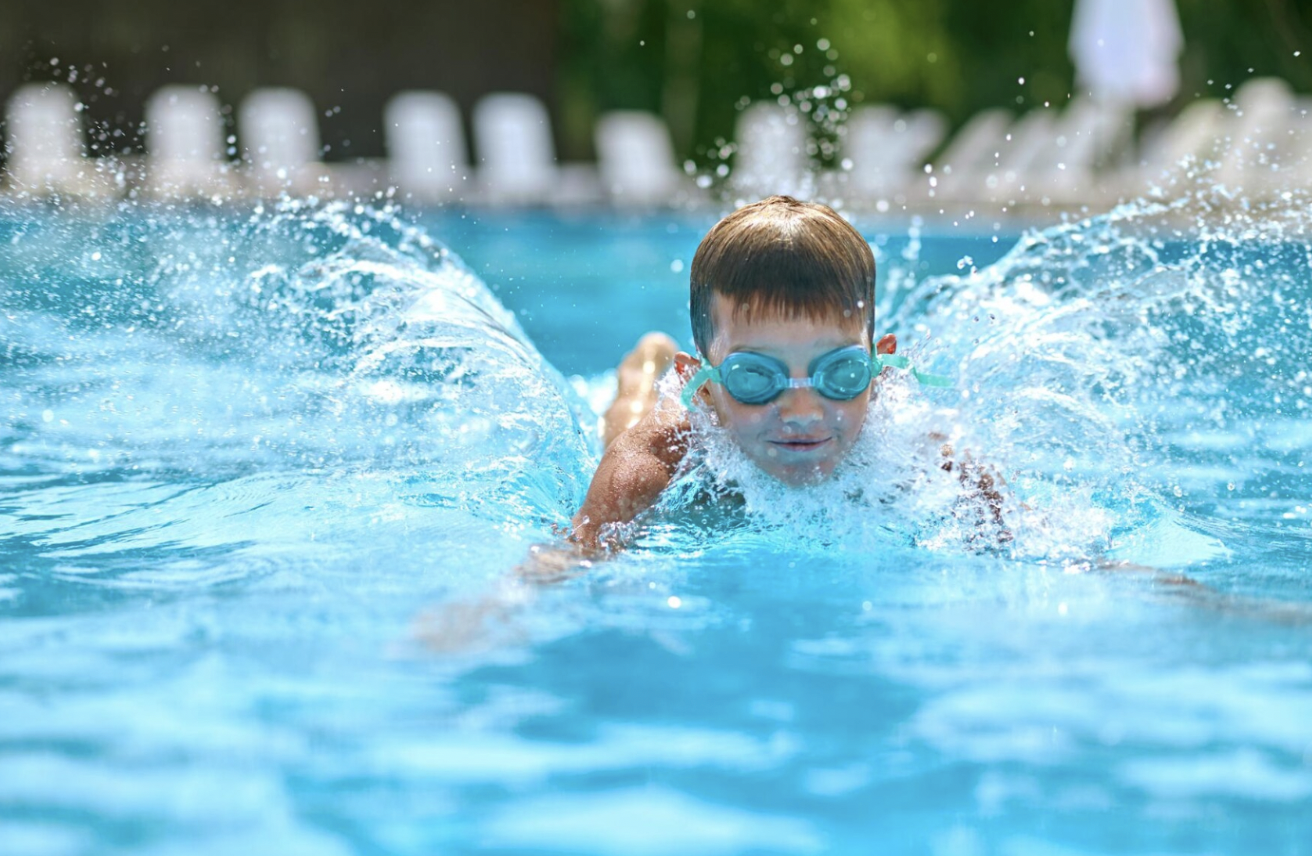
Swimming is more than just a fun summer activity for children. It's a life skill with multiple benefits for physical health, mental wellbeing, and social development. As parents, we're always looking for activities that will help our kids grow and thrive. Swimming checks all these boxes and more.
Let's talk more about why swimming should be on every family's list of essential activities for children.
The most compelling reason to teach kids to swim is safety. According to the Centers for Disease Control and Prevention (CDC), drowning is the leading cause of death for children ages 1-4 and the second leading cause of injury death for children ages 5-14. Most of these tragedies could be prevented with proper swimming instruction.
Dr. Sarah Johnson, a pediatric safety expert, says, "Learning to swim isn't optional, it's as essential as learning to look both ways before crossing the street. It's a skill that could one day save your child's life."
When children learn to swim early, they develop:
Many swim schools offer programs for children as young as 6 months old. These early lessons help babies become comfortable in water and begin building the foundation for swimming skills they'll develop as they grow.
Swimming is one of the most complete forms of exercise available. It works almost every muscle in the body while being gentle on growing joints and bones.
"Swimming is the perfect exercise for kids," explains Dr. Michael Phelps, a sports medicine physician (no relation to the Olympic swimmer). "It improves cardiovascular health, builds endurance, increases strength, and enhances flexibility, all without the impact stress of sports like running or basketball."
Regular swimming helps children:
One study published in the Journal of Pediatrics found that children who swim regularly have better coordination, balance, and even cognitive development compared to their non-swimming peers.
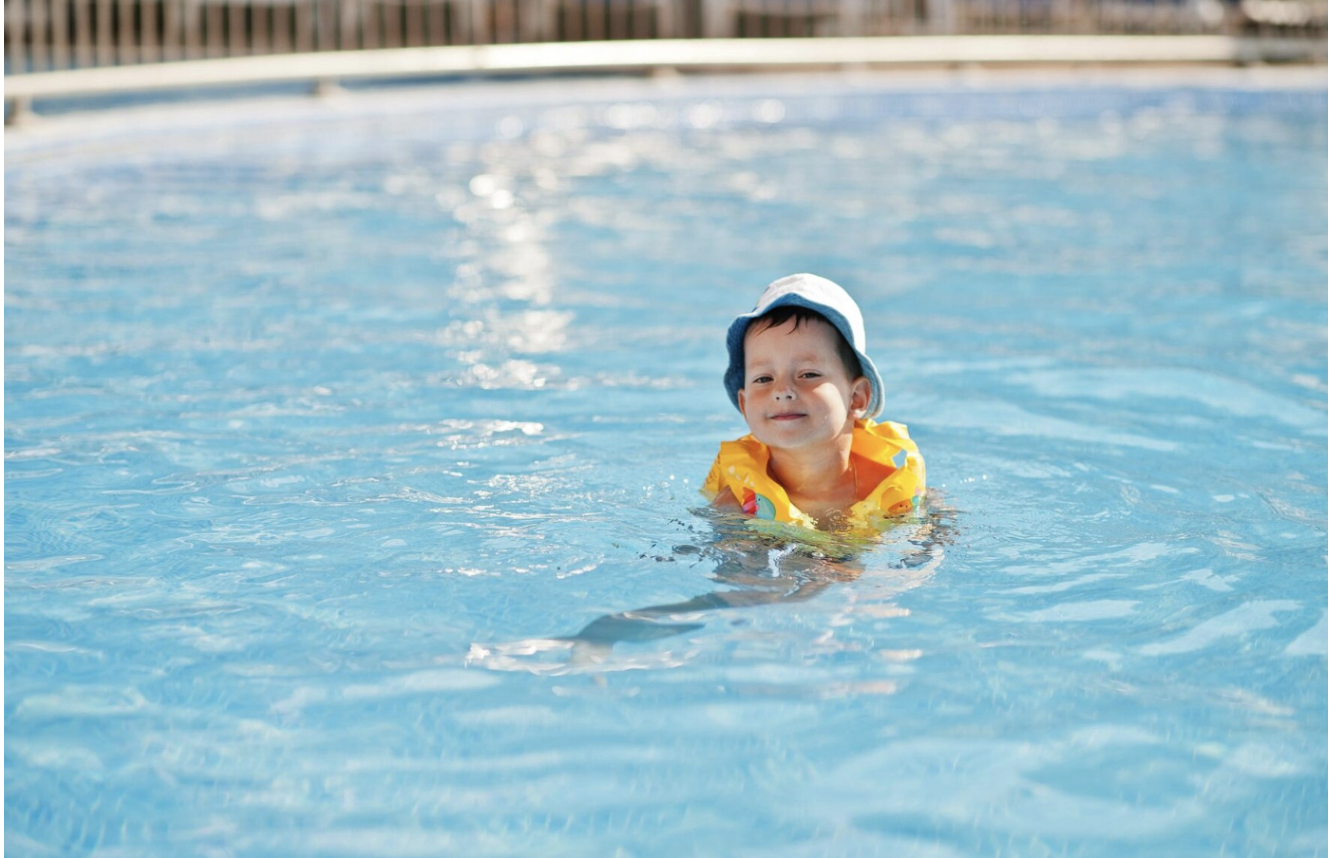
The mental health benefits of swimming are equally impressive. The rhythmic nature of swimming and the sensation of being supported by water create a unique environment that many children find calming and therapeutic.
Children with attention challenges often thrive in the pool environment. Tommy, a 9-year-old who works with an ADHD therapist, struggled to focus during team sports. His mother noticed a remarkable difference when he joined a swim team. "In the water, he's able to channel his energy in a positive way. The structured environment of swim practice combined with the physical activity helps him focus better, even outside the pool," she shares.
Swimming offers mental health benefits including:
Swim lessons and teams provide excellent opportunities for social development. Children learn to take turns, follow directions, and work cooperatively with others.
Another benefit of swimming is how the pool creates a level playing field. Kids of different ages and abilities can participate together, learning from each other and building friendships through their shared experiences.
When children participate in swimming activities, they develop:
Surprisingly, swimming may also boost academic performance. According to research from Griffith University in Australia, children who learn to swim at an early age reach developmental milestones earlier than their non-swimming peers. These children scored better on tests of visual-motor skills, oral expression, and mathematical reasoning.
Dr. Robyn Jorgensen, who led the study, noted that children who participated in early swimming achieved physical, cognitive, and language milestones faster than expected for their age.
When looking for swimming lessons for your child, consider these factors:
Many community centers, YMCAs, and private swim lessons thornton offer year-round lessons for children of all ages and abilities. Some even offer parent-child classes for infants and toddlers.
Some children may initially fear the water, and that's completely normal. Patient, consistent exposure is key to helping children overcome these fears.
"Never force a fearful child into the water," advises Emma Santiago, a swim instructor with 15 years of experience. "Instead, use games, songs, and positive reinforcement to help them build confidence gradually."
For children with special needs, many swim schools offer adaptive programs. Water's natural buoyancy can be especially beneficial for children with physical disabilities, providing freedom of movement they may not experience on land.
Swimming doesn't have to be just about lessons. Making it a family activity reinforces skills and creates lasting memories.
According to a survey by the Swimming Pool and Hot Tub Alliance, families who swim together report stronger bonds and more quality time spent together than those who don't.
Some ways to incorporate swimming into family life include:
The benefits of swimming for children extend far beyond just learning to stay afloat. From safety and physical health to mental wellbeing and social development, swimming offers advantages that few other activities can match.
As parents, giving our children the gift of swimming is providing them with a skill they'll use throughout their lives, one that might even save their life someday. Whether your child becomes a competitive swimmer or simply enjoys recreational swimming, the benefits will ripple through many aspects of their development.
So don't wait, find a swim school near you and help your child discover the joy and benefits of swimming. The water is waiting!
This article is provided for informational purposes only and is not a substitute for professional advice, diagnosis, or treatment. Always seek the advice of qualified professionals with any questions you may have regarding your child's health and safety.







