

Have you ever tossed and turned all night despite having a comfortable mattress? The culprit might be lurking in your walls! Your home's heating, ventilation, and air conditioning (HVAC) system plays a huge role in how well you sleep each night.
Your body temperature naturally drops as you fall asleep.
According to the Sleep Foundation, the ideal bedroom temperature for most adults is between 60-67°F (15-19°C). When your room is too hot or too cold, your body works overtime instead of relaxing into deep sleep.
"Temperature is one of the most important factors in sleep quality," says Dr. Michael Breus, a clinical psychologist and sleep specialist. "When your bedroom is too warm, it can increase wakefulness and decrease time spent in restorative deep sleep."
Modern HVAC systems offer precise temperature control. Many now include programmable thermostats that can automatically adjust temperatures throughout the night.
Real-Life Example: The Wilson family from Atlanta struggled with sleep during hot summer months until upgrading to a system with zoned cooling. "We can now keep our bedrooms cooler than the rest of the house at night," says Jane Wilson. "Our sleep quality improved within days."
Did you know that poor indoor air quality can cause breathing problems that disrupt sleep? Your HVAC system filters the air in your home, removing:
According to the Environmental Protection Agency (EPA), indoor air can be 2-5 times more polluted than outdoor air. This pollution can trigger allergies and asthma symptoms that wake you up throughout the night.
A properly functioning HVAC system helps maintain optimal humidity levels in your bedroom. The Mayo Clinic recommends keeping indoor humidity between 30-50% for comfort and health.
Too much humidity makes your bedroom feel stuffy and can promote mold growth. Too little causes dry skin, irritated sinuses, and scratchy throats, all sleep disruptors!
That rattling, humming, or clicking from your HVAC system isn't just annoying, it's harmful to sleep. A 2021 study published in the Journal of Sleep Research found that even low-level mechanical noises can reduce time spent in deep sleep by up to 25%.
Outdated HVAC systems often create hot and cold spots throughout your home. You might fall asleep comfortably but wake up sweating or shivering as your system struggles to maintain consistent temperatures.
Stagnant air creates that "stuffy" feeling that makes breathing uncomfortable. Your HVAC system should circulate air effectively to prevent this sleep-disrupting problem.
According to HomeAdvisor, HVAC systems should be serviced twice yearly, once before winter and once before summer. Professional maintenance ensures your system runs efficiently when you need it most.
"Most sleep problems related to HVAC systems can be prevented with regular maintenance," says expert hvac contractor highlands ranch co. "Changing filters monthly and scheduling professional check-ups twice a year can drastically improve system performance."
Smart thermostats learn your schedule and preferences over time. They can automatically adjust temperatures to promote better sleep without you lifting a finger.
According to Alex Regan, an ADHD therapist in Orlando, “Temperature regulation is particularly important for my clients with ADHD, who often struggle with sleep disturbances.”
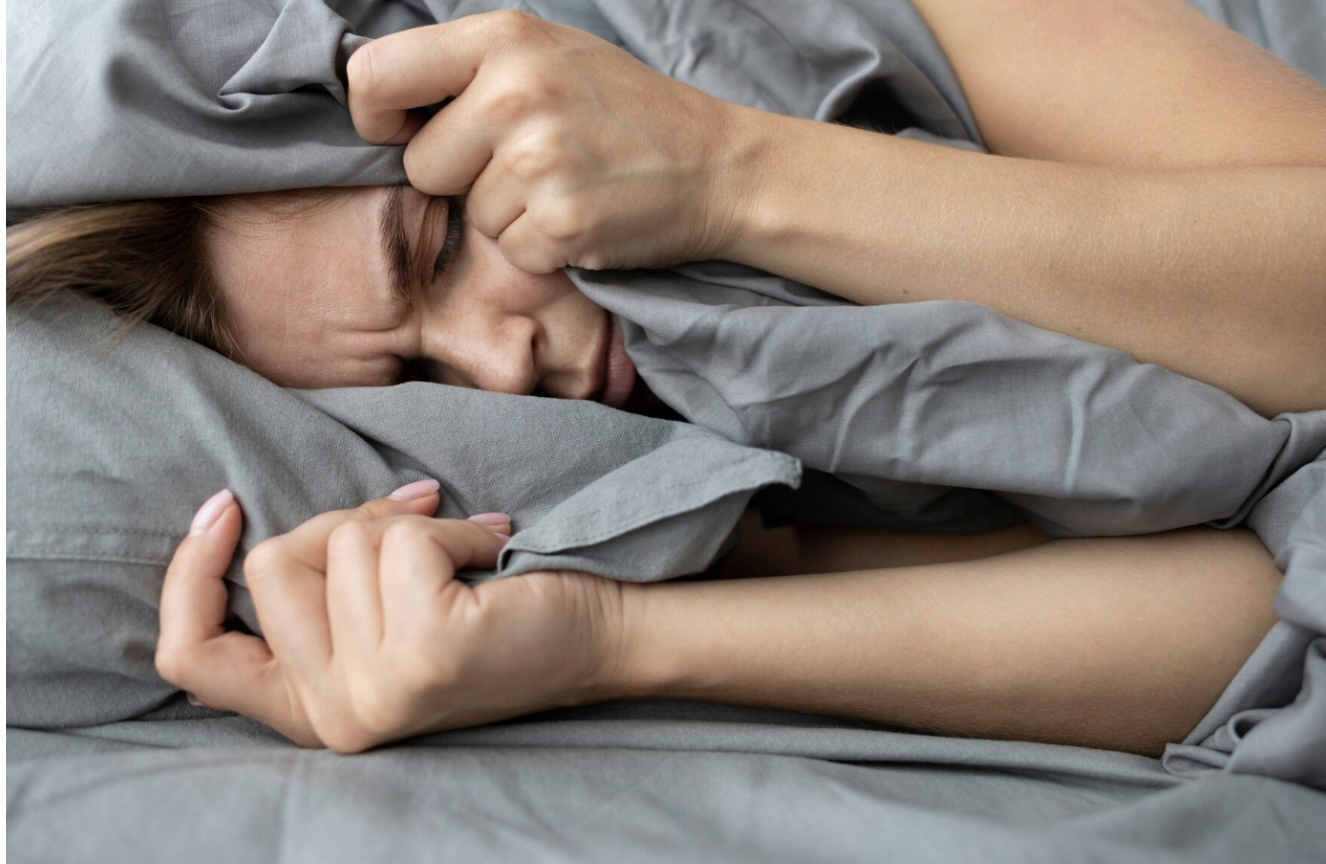
Many individuals with ADHD experience difficulties with interoception, which is the sense of the internal state of their body. This can manifest as a reduced awareness of bodily cues, including feeling too hot or too cold. Consequently, they might not notice discomfort from temperature fluctuations until it significantly disrupts their sleep. This is compounded by the fact that sleep disturbances are already more prevalent in the ADHD population.
“A smart thermostat that automatically cools the bedroom before bedtime helps create the ideal sleep environment and removes one more thing they need to remember each night.” - Regan.
Adding an air purification system to your existing HVAC setup can remove even more airborne particles than standard filters. In fact, some air purifiers use HEPA filters that can trap 99.97% of particles as small as 0.3 microns, which includes things like pollen, pet dander, and dust mites. This is especially helpful for allergy sufferers or those with respiratory conditions like asthma, as breathing cleaner air can lead to fewer symptoms and a reduced need for medication.
IIf your home struggles with humidity control, additional equipment might help create a healthier and more comfortable environment. For example, the ideal indoor humidity level is generally between 30% and 50%. Whole-home humidifiers work with your HVAC system to add moisture to the air during dry winter months, which can help prevent dry skin and sore throats. On the other hand, dehumidifiers remove excess moisture during humid summer months, which can inhibit the growth of mold and mildew, and make the air feel less sticky.
Pay attention to these warning signs:
Improving your HVAC system doesn't just enhance sleep, it transforms your overall well being. According to the American Academy of Sleep Medicine, quality sleep improves:
Real-World Results: A 2022 survey by Consumer Reports found that 78% of respondents who upgraded their HVAC systems reported better sleep quality within one month. Additionally, 65% noticed reduced allergy symptoms and 58% reported fewer respiratory issues.
Your sleep needs change with the seasons, and so should your HVAC strategy. Let's look at how to optimize your system year-round:
Hot summer nights can be sleep killers. According to the National Sleep Foundation, more people report sleep problems during heat waves than at any other time of year.
"Many people make the mistake of setting their AC too low on hot nights," says Jennifer Roberts, a home comfort specialist at Energy Star. "This causes the system to cycle on and off frequently, creating temperature fluctuations and noise that disturb sleep."
Instead:
Dry winter air from heating systems is a common sleep disruptor. A study from the International Journal of Biometeorology found that sleeping in overly dry air (below 30% humidity) increases snoring by 30% and can trigger nighttime coughing fits.
To counter this:
These milder seasons offer the perfect opportunity to open windows and give your HVAC system a break. Fresh air can improve sleep quality dramatically.
"Our bodies evolved sleeping in natural air," explains Dr. William Parker, environmental health researcher. "Opening windows when outdoor air quality is good can reduce CO2 buildup in bedrooms, which has been linked to deeper, more restorative sleep."
However, if allergies are a concern, this is when a good HVAC filter becomes crucial. Upgrade to MERV 11 or higher filters during high pollen seasons to keep your bedroom an allergy-free sleep haven.
Your HVAC system does much more than keep you comfortable, it creates the environment where your body can achieve truly restorative sleep. By maintaining proper temperature, humidity, and air quality, a well-functioning system supports your health around the clock.
If you're experiencing poor sleep, consider having your HVAC system evaluated by a professional. The solution to better sleep might be as simple as a maintenance tune-up or filter change.
And remember, investing in quality sleep is investing in your overall health and happiness!






