
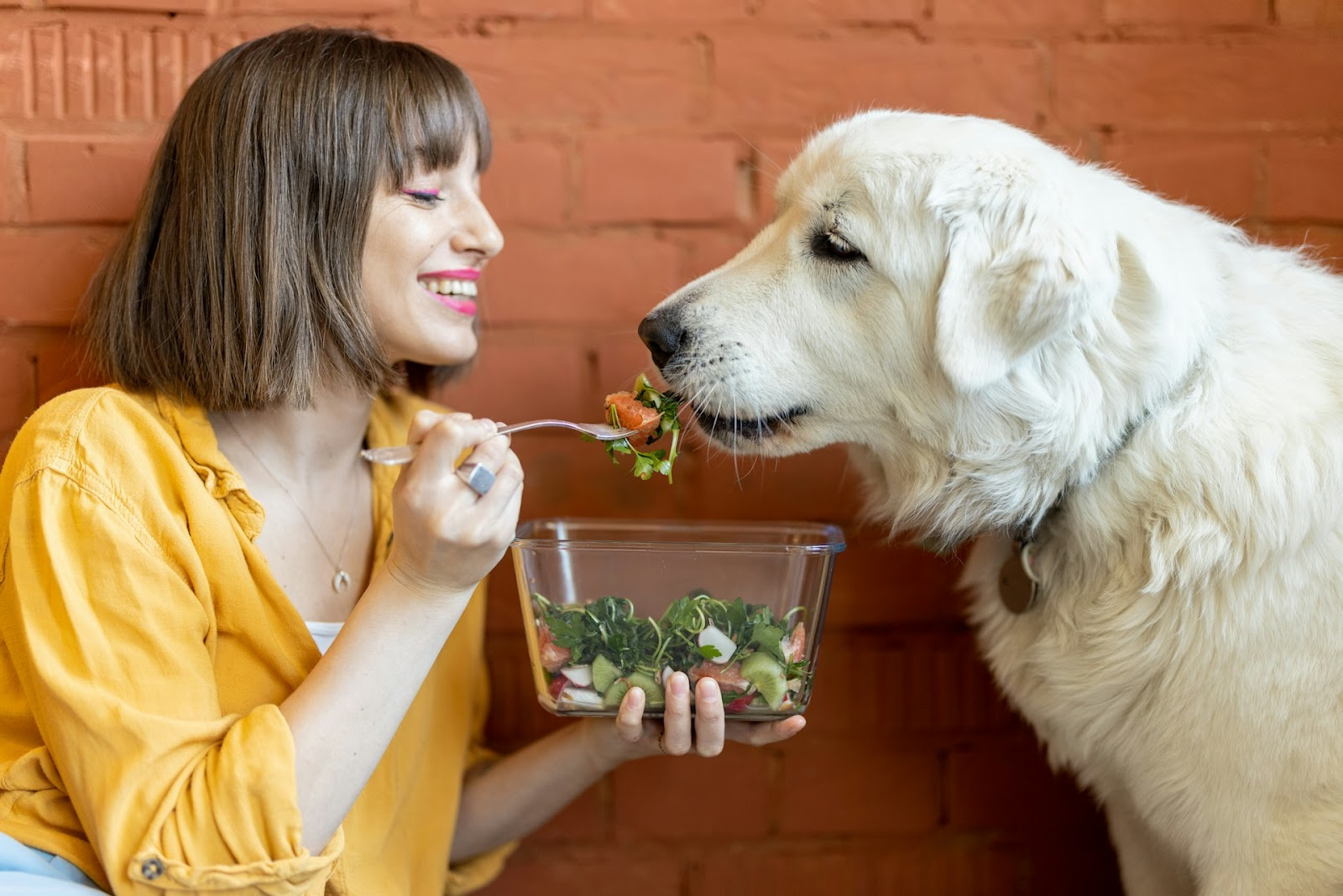
Dogs can bring endless joy to your life with their wagging tails and slobbery kisses. As a loving pet owner, you always strive to make sure that your dogs lead happy and healthy lives.
One emerging trend in pet health is the use of probiotics to promote digestive wellness in dogs. But can dogs truly benefit from probiotics? Today, you can learn about the benefits of probiotics in this guide.
A well-rounded diet is the cornerstone of a dog's health and vitality. High protein dog food mirrors dogs' natural carnivorous inclinations, providing them with the essential amino acids and nutrients needed to thrive. They also support muscle health and energy levels and contribute to shiny coats and healthy skin for your pet.
However, it’s important to ensure that the food you choose is well-rounded in other ways as well — like probiotics and prebiotics for your pups.
Probiotics, often referred to as “good bacteria,” are live microorganisms that offer many health benefits for your dog. These beneficial bacteria help maintain a healthy balance in the gut microbiome, aiding in digestion, nutrient absorption, and immune function.
For dogs, probiotics can help alleviate gastrointestinal issues such as diarrhea, gas, and bloating and bolster their overall digestive health.
The benefits of probiotics for dogs extend beyond simple digestive support. They can help strengthen your dog's immune system, promoting resilience against infections and diseases.
Additionally, probiotics have been linked to reduced inflammation in the gut and can even mitigate allergic reactions in some dogs. By incorporating probiotics into your dog's daily routine, you're supporting their digestive health and you're nurturing their overall well-being from the inside out.
When selecting probiotics for your dog, it's essential to opt for products specifically formulated for dogs. Look for probiotic supplements that contain strains beneficial for canine gut health, such as Lactobacillus and Bifidobacterium. Consider factors like live bacteria count, potency, and storage requirements to ensure the product's efficacy.
Transitioning your dog to a new diet or introducing probiotics demands a gradual approach to avoid digestive disruptions. Begin by adding small portions of probiotics or high-protein food to your dog's meals, slowly increasing the amount over a few days. This gradual adjustment helps your dog's digestive system adapt seamlessly to the dietary changes.
Keep a close eye on your dog for any signs of intolerance or discomfort as you make dietary adjustments. If you notice any adverse reactions, such as vomiting or diarrhea, consider reducing the dosage or trying a different type of probiotic to find what works best for your pet.
If your dog experiences digestive issues or shows signs of intolerance during the transition period, be prepared to adjust the dosage or switch to a different probiotic supplement. Every dog is unique, and finding the right balance and type of probiotics may require some trial and error.
Remember that patience is key when implementing dietary changes for your dog. A consistent approach and a gradual transition process will help ensure that your dog’s digestive system adjusts smoothly and positively responds to the new probiotics or high-protein food.
Dog food is a valuable tool to support your pet's well-being. By understanding the benefits of probiotics for digestive health and the role of high-protein diets in providing essential nutrients, pet owners can make informed choices to nurture their beloved companions.
Remember to consult with your veterinarian before making any significant dietary changes and tailor your dog's diet to suit their individual needs. With the right approach and guidance, you can help your dog lead a healthier, happier life.







