
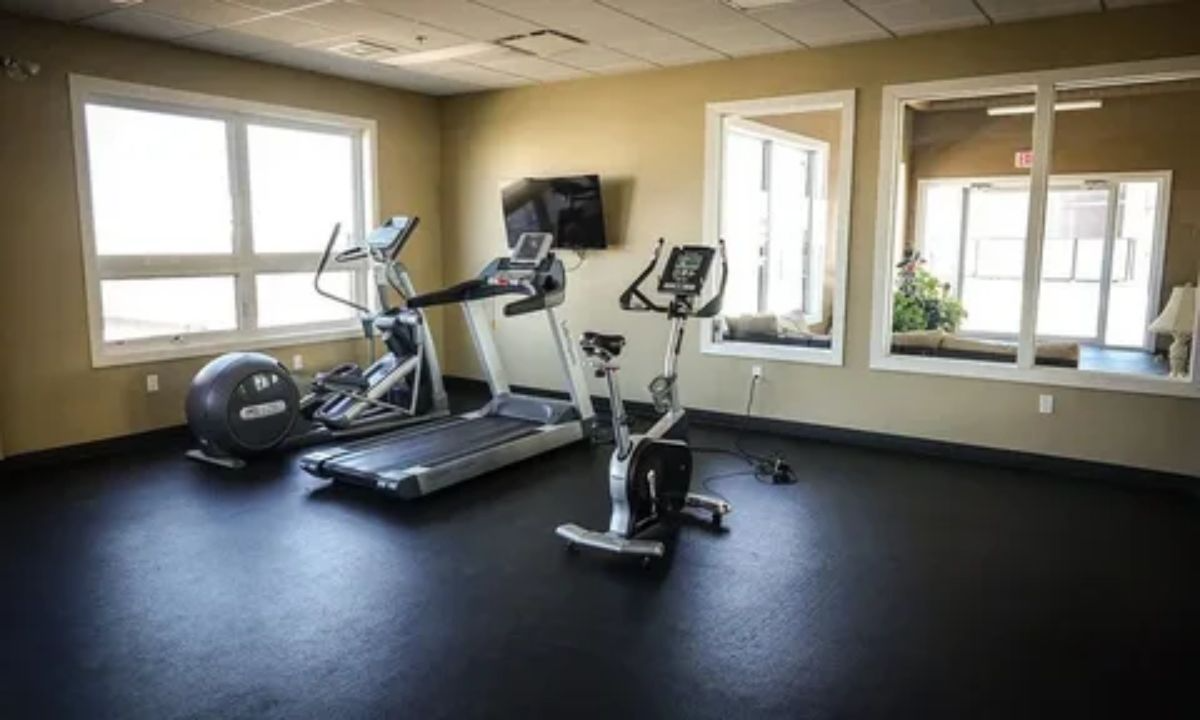
Finding the right fitness equipment supplier is essential for anyone looking to set up a gym or home fitness area. The right supplier can provide high-quality, durable equipment that suits your specific fitness goals, budget, and space. Whether you're building a professional gym or outfitting a home workout space, the supplier you choose plays a crucial role in the overall success and functionality of your fitness setup.
Are you ready to take your fitness journey to the next level? The equipment you use can make all the difference in achieving your goals. But how do you choose a supplier that meets your needs, delivers on time, and offers top-tier products? Let’s explore the key steps to finding the right fitness equipment supplier and ensure your gym or home setup is built to last.
When choosing a fitness equipment supplier, it's important to consider a few factors: the quality of products, the supplier’s reputation, delivery options, and customer service. Take time to read reviews, compare prices, and ask for product warranties.
"When researching a potential fitness equipment supplier, several key factors must be taken into account to ensure a reliable and efficient partnership. First, assess the supplier's reputation and reliability by reviewing customer feedback, ratings, and industry standing. Next, evaluate their financial stability, as this ensures they can fulfill orders consistently without disruptions."Quality control is crucial; ensure the supplier meets your specific quality standards and certifications.
Delivery timelines are another critical consideration, as timely shipments are essential to maintaining your business’s operations. Additionally, assess the supplier's production capacity to ensure they can meet your volume needs, especially during peak times. Consider their pricing structure and whether it aligns with your budget while still delivering value.
Evaluating product quality and durability is essential in determining whether a product will meet consumer expectations over time. Quality is often assessed based on materials used, craftsmanship, and performance consistency. Durability, on the other hand, refers to how well the product withstands wear, tear, and environmental factors. Effective evaluation includes product testing under different conditions, consumer reviews, and expert opinions.
Additionally, longevity is an important factor, as products that last longer provide better value for money. Manufacturers must ensure that both quality and durability align with the intended purpose of the product. To maintain consumer trust, companies often provide warranties or guarantees. Ultimately, a balance between quality and durability leads to greater customer satisfaction and brand loyalty.
Understanding customer service and support for ongoing maintenance is essential for building long-term relationships with clients. It involves providing continuous assistance to ensure that products or services function smoothly over time. This support can range from troubleshooting technical issues to offering guidance on product use, ensuring customers feel valued and heard. Effective ongoing maintenance services demonstrate a commitment to quality, as they address potential problems before they escalate.
By offering regular updates, repairs, and customer communication, businesses can foster trust and loyalty. An efficient support system helps to reduce customer frustration and minimizes downtime. It also allows businesses to proactively gather feedback, improving future offerings. In turn, a well-maintained service environment contributes to overall customer satisfaction and business growth.
Evaluating product quality and durability is essential for ensuring that consumers receive value for their money. Quality assessment involves examining the materials, craftsmanship, and functionality of a product to determine whether it meets industry standards and performs as advertised. Durability, on the other hand, gauges how well a product withstands wear, tear, and environmental factors over time.
Factors such as the intended use, manufacturing processes, and the reputation of the brand play a critical role in assessing both quality and durability. Consumers can evaluate these aspects through product reviews, testing, and certifications. Additionally, warranty policies and customer support reflect the confidence a brand has in its products' longevity.
When evaluating the quality of a product, several key factors come into play. These include the materials used, craftsmanship, performance, and design. High-quality products often use premium materials that enhance functionality and longevity. Craftsmanship is also critical—products that are well-made, with attention to detail and precision, tend to perform better and last longer. Performance refers to how the product functions under normal conditions and its reliability over time.
Durability is a measure of how well a product holds up over time and under various conditions. One of the most effective ways to assess durability is through rigorous testing, such as stress tests, wear tests, and real-life scenario simulations. For instance, electronic devices are often subjected to heat, cold, and impact tests to evaluate their ability to function under extreme conditions. Similarly, outdoor gear is tested for water resistance, abrasiveness, and exposure to the elements.
Look for reviews, customer testimonials, and years of experience in the industry to gauge reliability.
Consider factors like product quality, warranty options, delivery times, and after-sales support
Yes, local suppliers often offer faster delivery, better customer service, and lower shipping costs.
Warranties and return policies are crucial for ensuring product longevity and providing peace of mind.
Finding the right fitness equipment supplier is crucial to building a functional gym or home workout space. Start by researching suppliers with a reputation for quality and customer service. Look for those who offer a wide range of equipment to meet your specific needs, whether for strength training, cardio, or flexibility. Ensure they provide reliable after-sales support and warranties for peace of mind. If you want to wholesale smart fitness equipment, I recommend you to look at Speedance, which is very hot-selling in the United States.
Compare prices, but remember that cheaper options may not always provide long-term value. Prioritize suppliers with timely delivery and installation services. Don’t forget to read customer reviews to gauge the experiences of others. Ultimately, choose a supplier that aligns with your goals and offers durable, high-performance equipment.







