
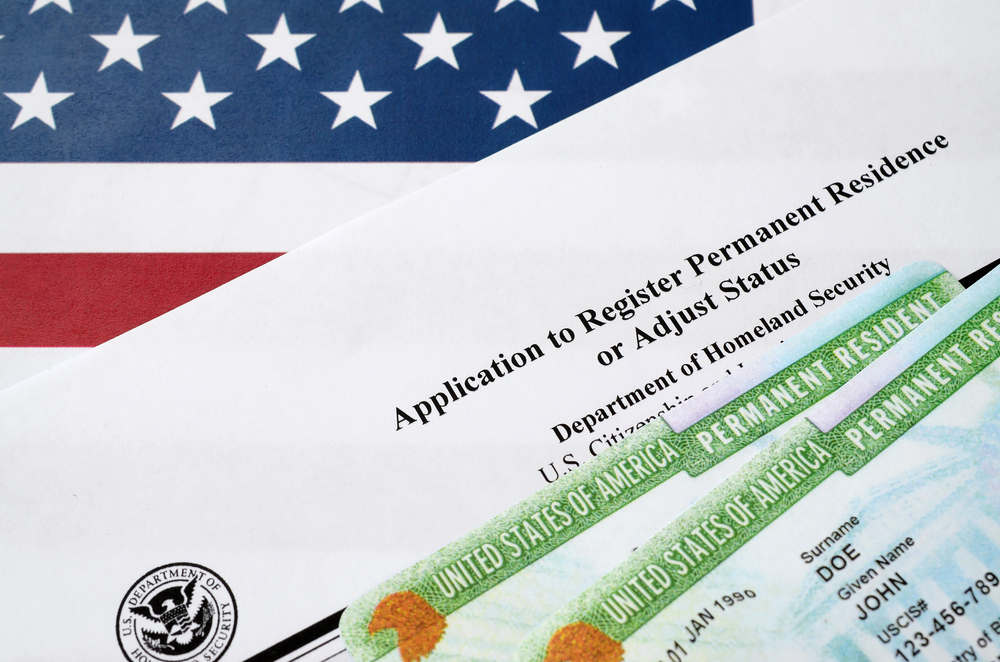
If you've recently made New Jersey your home as an immigrant, you're part of a vibrant community that has helped shape this state's unique character for generations. From the diverse neighborhoods of Newark and Jersey City to the suburban communities throughout the Garden State, immigrants continue to contribute significantly to New Jersey's cultural and economic fabric.
Recent changes in registration requirements have created a mix of confusion, concern, and questions among immigrant communities across the state. Understanding alien registration changes is crucial for maintaining legal status and accessing important services.
The registration system for immigrants in the United States operates at the federal level, primarily through the Department of Homeland Security (DHS) and its agencies like U.S. Citizenship and Immigration Services (USCIS). These federal requirements apply nationwide, including in New Jersey.
All non-citizens, including lawful permanent residents (green card holders), have always been required to report address changes to USCIS within 10 days of moving. This is done using Form AR-11, which can be filed online or by mail. This requirement hasn't changed and remains important for maintaining legal status.
What has changed recently are some of the administrative processes and verification systems that affect how immigrants interact with both federal and New Jersey state agencies. These changes have real implications for daily life, from driving to working to accessing healthcare.
New Jersey has established itself as a relatively immigrant-friendly state with several policies designed to support integration and protect immigrant rights. The state has designated itself as a "fair and welcoming" state through executive order, which limits how state agencies, including law enforcement, can cooperate with federal immigration enforcement in certain situations.
New Jersey also provides driver's licenses to residents regardless of immigration status through its standard driver's license program. However, the documentation requirements and verification processes for these licenses have seen some adjustments that all applicants should be aware of.
The state also has specific policies regarding access to higher education, healthcare, and other services that differ from federal approaches and from neighboring states like New York and Pennsylvania.
Recent administrative changes have affected several areas that impact immigrants in New Jersey:
Both federal and state agencies have implemented enhanced verification procedures for identifying documents. This means that when you submit documentation to agencies like the Motor Vehicle Commission or when applying for benefits, those documents may undergo additional scrutiny.
For example, passport verification now often involves electronic checking against international databases, which can sometimes lead to delays if there are discrepancies or technical issues. Birth certificates from other countries may require apostille certification or additional translation verification.
More registration processes now involve digital elements, including biometric data like fingerprints and photographs. These are increasingly being shared between different agencies through integrated database systems.
USCIS and other federal agencies have expanded their use of electronic verification systems, which means documents that were previously accepted without question might now be flagged if there are inconsistencies.
Many immigration statuses that require periodic renewal, such as Temporary Protected Status (TPS) or DACA, have seen changes in their renewal processes and documentation requirements. These changes often include shorter renewal windows and additional evidence requirements.
Given these changes, here are some practical steps that can help you navigate the current landscape:
Continue to update your address with USCIS within 10 days of moving using Form AR-11. This can be done online through the USCIS website. Also update your address with New Jersey agencies like the Motor Vehicle Commission and tax authorities.
Create a secure file (both physical and digital copies) of all your important identification and immigration documents, including:
Having these documents readily available and organized will make any registration or verification process much smoother.
Get information directly from official government sources rather than relying solely on social media or word of mouth. The New Jersey Office of New Americans (within the Department of Human Services) provides reliable information specific to immigrants in the state.
The USCIS website (uscis.gov) remains the authoritative source for federal immigration requirements. Their USCIS Case Status Online system allows you to check the status of pending applications by entering your receipt number.
If you're applying for or renewing a New Jersey driver's license, be aware that the Motor Vehicle Commission has specific documentation requirements. The standard license (as opposed to the REAL ID) is available to New Jersey residents regardless of immigration status, but you'll still need to provide proof of identity and residence.
New Jersey has a robust network of immigrant advocacy and support organizations that can provide guidance specific to your situation. Organizations like the American Friends Service Committee, Make the Road New Jersey, and the New Jersey Alliance for Immigrant Justice offer resources, know-your-rights training, and sometimes legal assistance.
Several common misunderstandings can create problems for immigrants trying to navigate registration systems:
Beware of "notarios" or immigration consultants who claim they can expedite processes or guarantee certain outcomes. In the United States, only licensed attorneys or accredited representatives can provide legal advice on immigration matters.
Remember that state agencies (like the Motor Vehicle Commission) and federal agencies (like USCIS) have different requirements and databases. Complying with one doesn't automatically mean you've met the requirements of the other.
Always open and respond to official mail from government agencies promptly. Missing a response deadline can have serious consequences for your immigration status or benefits.
If you need more personalized assistance, several resources are available:
Registration and documentation requirements will likely continue to evolve as both technology and policies change. Staying connected with reliable information sources and community organizations will help you adapt to these changes.
Remember that, despite the complexities, New Jersey remains committed to supporting its immigrant populations through both state policies and the network of organizations dedicated to immigrant well-being.
By staying informed, maintaining proper documentation, and connecting with established support systems, you can successfully navigate these requirements while continuing to build your life and contribute to the rich tapestry that makes New Jersey the diverse and dynamic state it is today.







