
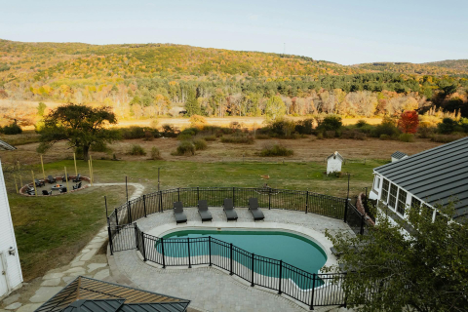
When parents look at their backyard pool, they don’t just see water. They see energy-filled kids, floating toys, splashing friends, and the fine line between fun and safety. Adding a pool barrier is often the next logical step, but tearing up concrete or digging fresh trenches doesn’t fit most budgets—or schedules. The good news is that a reliable setup doesn’t have to start with construction dust.
Modern pool barriers are becoming smarter, less invasive, and more adaptable. The trick is knowing what parents actually care about: real protection, visual peace of mind, and tools that don’t turn the yard into a fortress.
A barrier is only effective if it’s used consistently. That means the best ones don’t make parents second-guess whether they latched a gate or fully installed a cover. Visual cues help, and so do simple mechanisms. Fewer moving parts mean less that can go wrong during an afternoon playdate or a quiet morning cleanup.
Parents want barriers that clearly show when they’re secure without relying on guesswork or regular inspection. If it looks tight, holds firm, and doesn’t wobble under pressure, they’re far more likely to trust it—and keep using it.
Mesh and removable fencing are popular, but another reliable contender gaining traction is the pool safety net. It stretches tightly across the pool and forms a visible, physical boundary that’s hard to miss and even harder for a child to bypass.
Kids don’t operate on a fixed calendar. A barrier might be needed one day and packed away the next. So, solutions that allow for flexibility are especially appealing. Parents aren’t looking for something permanent if it’s only seasonally relevant, but they also don’t want to spend half the afternoon setting something up.
Daily-friendly options prioritize fast breakdowns and tool-free installs. If it feels like a setup that could become part of a regular routine, like locking a front door or closing a gate, parents are more likely to commit.
Barriers should offer:
That kind of usability takes the edge off what can otherwise feel like a chore, especially in homes where other safety routines already stack up.
While style isn’t the top concern, it still matters. No one wants their backyard to feel like a daycare fence zone. Parents often lean toward barriers that blend with the space. Neutral colors and minimal hardware make it feel more like part of the yard.
A setup that avoids harsh visual clutter also makes it easier for adults to keep an eye on swimmers. If the barrier creates shadows or blind spots, it’s less effective in practice, even if the safety specs are there on paper.
Low-profile designs, like nets and frameless mesh, work better in family settings where the pool is always in view. They keep things open and breathable without sacrificing peace of mind.
A pool barrier only works if everyone in the house knows how to use it. That includes grandparents and babysitters. Older siblings must also be taught about this if they are strong enough. Complicated setups turn into risks when someone forgets a step or skips a latch.
The most reliable barriers are those that don’t require an owner's manual to operate. Once shown, any adult should be able to install, remove, and check it. If extra training is needed, it’s probably not the right fit for a fast-moving household.
Cleaning should also be minimal. Parents juggling everything from school drop-offs to soccer practice aren’t going to scrub down mesh or detangle netting once a week. A system that rinses off with a hose and dries in the sun quickly is more than welcome.







